




A Tradition Reimagined for Modern Wellness
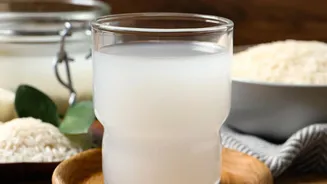
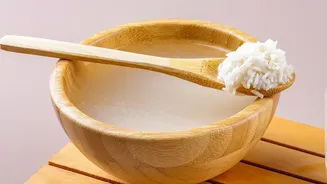
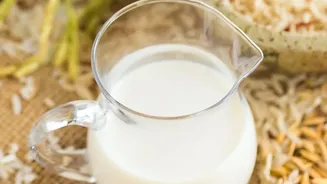
At its core, fermented rice water is simply the liquid left over after soaking rice, which is then allowed to sit at room temperature for a day or two. This ancient practice is deeply rooted in many cultures. In India, it's known by various names like
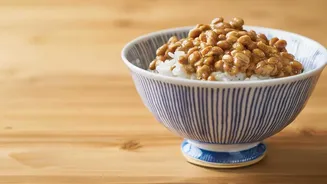
'kanji', 'neeragaram', or 'panta bhat' and is often consumed as a cooling, energy-boosting breakfast, especially during summer. Historically, it was a practical way for farming families to get nourishment from leftover rice. Similarly, the Yao women of China, famous for their exceptionally long and healthy hair, credit their hair-washing rituals with fermented rice water for its strength and lustre. The fermentation process is key; it allows beneficial microbes to break down starches, creating a nutrient-rich fluid containing probiotics, amino acids, vitamins, and antioxidants.
The Truth About Rice Water for Hair
The most popular claim surrounding rice water is its ability to transform hair. Proponents believe it detangles, adds shine, strengthens strands, and helps hair grow longer. The science here is mixed but points to some tangible benefits. Rice water contains inositol, a carbohydrate that can penetrate and repair damaged hair, as well as amino acids that reinforce the hair's structure. However, there are no direct clinical trials proving it accelerates hair growth from the follicle. Instead, experts suggest its main effect is reducing surface friction and breakage. By making hair smoother and more elastic, it helps preserve length that is already growing. Fermenting the rice water lowers its pH, which helps to close the hair's cuticle, leading to a smoother, shinier appearance.
Can It Really Boost Your Gut?
While the hair benefits are widely discussed, consuming fermented rice water for gut health is a tradition with a strong backing in logic. The fermentation process creates a natural probiotic drink, rich in beneficial bacteria like Lactobacillus. These probiotics are essential for a healthy gut microbiome, which in turn aids digestion, reduces inflammation, and supports a strong immune system. Some studies suggest that the short-chain fatty acids produced during rice fermentation can improve gut health. Furthermore, fermentation helps reduce phytic acid, a compound in rice that can block the absorption of important minerals like iron and zinc, making these nutrients more available to your body. In many parts of India, this drink is a trusted remedy for cooling the stomach and preventing issues like bloating and acidity.
How to Make It at Home
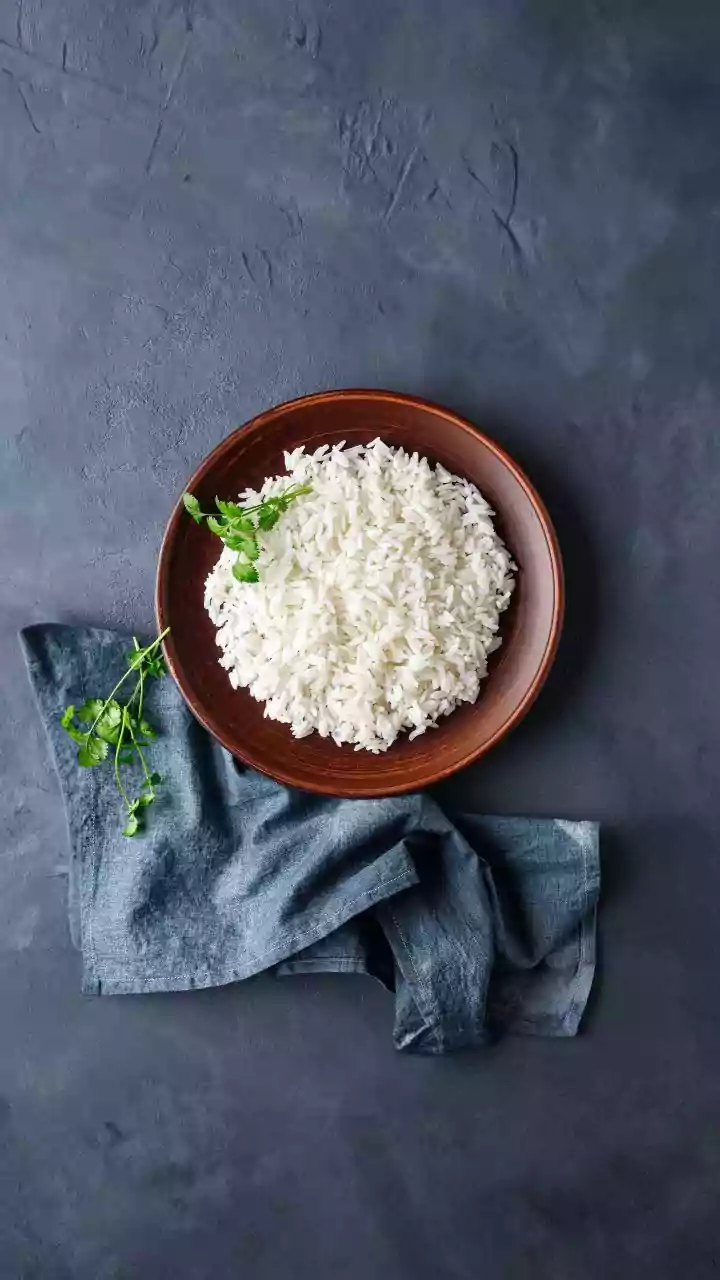
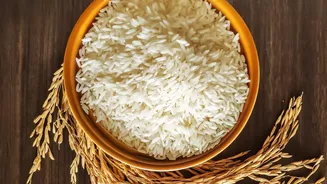
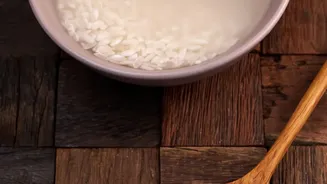
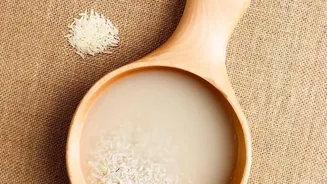
Making your own fermented rice water is simple. Start by rinsing half a cup of any type of rice to remove impurities. Place the rinsed rice in a clean glass or clay jar with about two cups of water. Let it soak for at least 30 minutes. Strain the cloudy water into a separate jar, keeping the rice for cooking. Cover the jar with a breathable cloth or a loose lid and leave it at room temperature for 24 to 48 hours. The fermentation is complete when the water has a slightly sour or tangy smell. At this point, you should move it to the fridge to stop the process. For a traditional Indian 'kanji', you can use the water from cooked rice, let it ferment overnight, and then mix in salt, buttermilk, or chopped onions before consuming.
Using Your Elixir Safely and Effectively
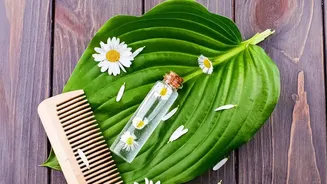
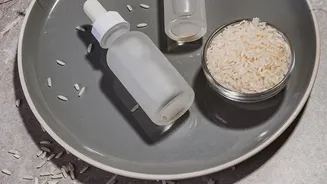
For hair, it’s best to use fermented rice water as a rinse after shampooing. Because it can be potent, consider diluting it with some warm water. Pour it over your hair, massage it into your scalp and strands, and let it sit for 10-20 minutes before rinsing thoroughly. Using it once or twice a week is usually sufficient. Overuse can sometimes lead to a starchy buildup or protein overload, making hair feel stiff or dry. When consuming the drink for gut health, start with a small amount to see how your body reacts. You can drink it plain or mix it with spices for flavour. It's crucial to ensure your preparation is hygienic to avoid contamination. Do not let it over-ferment, as it can become too acidic.