


What Is the Blue Flag Award?
Think of the Blue Flag as a gold standard for beaches. It's a prestigious voluntary eco-label awarded by the Foundation for Environmental Education (FEE), a non-profit organisation based in Denmark. This isn't a prize for just being pretty; it's a rigorous
certification that tells visitors a beach is clean, safe, and sustainably managed. Started in France in 1985, the program has grown globally, with thousands of certified sites in over 50 countries. When you see the iconic blue flag flying, it's a sign that the beach meets some of the highest environmental and quality standards in the world.
Konkan's Newly Crowned Jewels
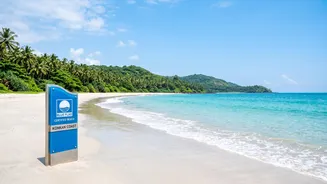
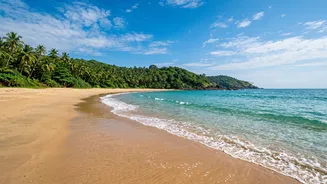
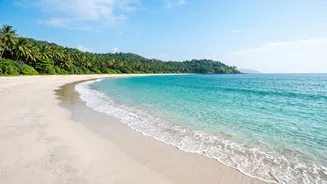
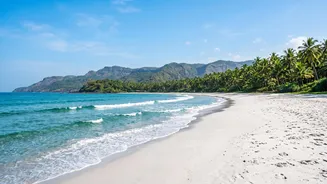
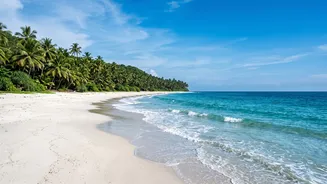
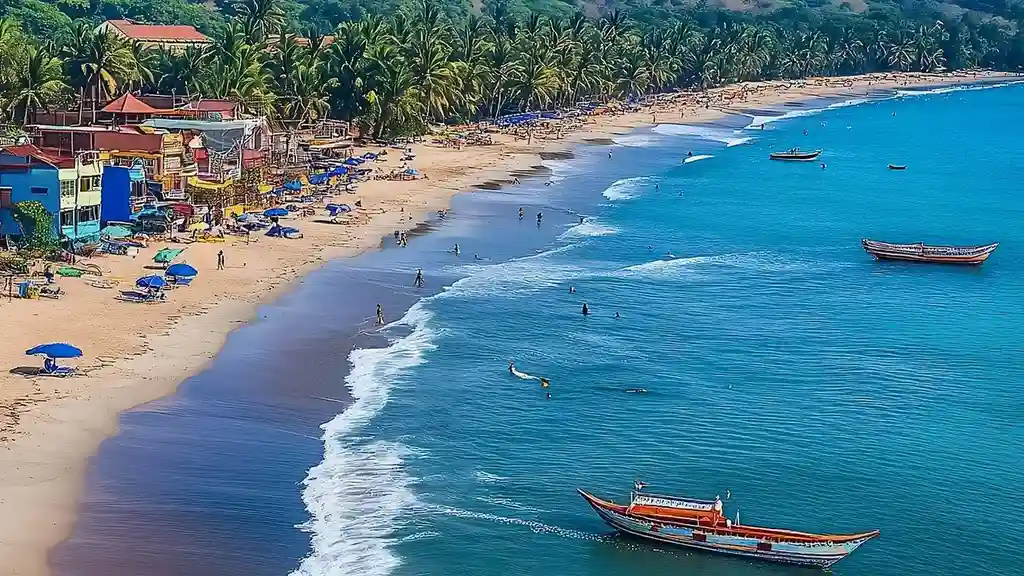
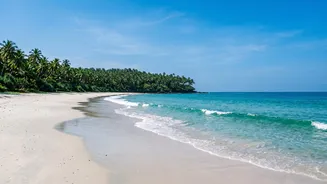
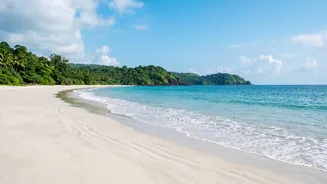
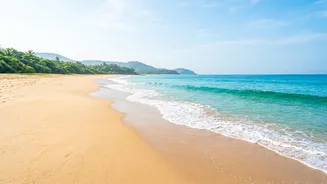
For the 2026-27 season, Maharashtra has made its debut on the Blue Flag list with three pristine beaches in the Konkan region. These are Ladghar and Guhagar in Ratnagiri district, and Shrivardhan in Raigad district. This achievement puts them on a global stage, alongside 19 other certified beaches in India for this season, bringing the country's total to 22. Ladghar is known for its reddish sands and dolphin-spotting tours, Guhagar for its long stretch of white sand and casuarina trees, and Shrivardhan for its calm, crescent-shaped shoreline. The official Blue Flag season for these beaches began on November 15, 2026.
The Rigorous 33-Point Checklist
Earning a Blue Flag is no easy feat. A beach must meet 33 strict criteria across four main categories. The first is Water Quality, where bathing water is regularly tested to ensure it is free from industrial or sewage contamination and has low levels of specific bacteria. The second, Environmental Management, requires proper waste disposal, recycling facilities, and the protection of local biodiversity and sensitive habitats. The third category is Environmental Education, which mandates that the beach provides information about the local ecosystem and raises awareness among visitors. Finally, Safety and Services ensure the presence of lifeguards, first-aid equipment, and accessible facilities for all.
More Than Just a Pretty Flag
The Blue Flag award is about more than just recognition; it brings tangible benefits. For tourists, it guarantees a clean and safe environment. For the local community, it boosts the economy by attracting discerning travellers and creating employment opportunities. The certification process itself drives sustainable practices, encouraging local bodies to invest in better infrastructure like waste management and clean water systems. This focus on conservation helps protect the fragile coastal ecosystem for future generations while promoting a responsible model of tourism. According to the state's environment department, the certification will enhance Maharashtra's identity on the global tourism map and boost local economic activity.
The Journey to Certification
The path to getting certified is a collaborative effort. In India, the Beach Environment & Aesthetics Management Services (BEAMS) programme, under the Union Ministry of Environment, Forest and Climate Change, helps prepare beaches for the nomination. Local bodies, district administrations, and beach management committees work together to meet all the criteria. An independent national jury of environmentalists and scientists first vets the applications. If they approve, the application is sent to the International Blue Flag Jury, which includes representatives from bodies like the UN Environment Programme (UNEP) and the UN World Tourism Organization (UNWTO), for the final decision. Importantly, the certification is only valid for one season, meaning beaches must re-apply and prove they still meet the standards every year.