



The Science of the Struggle
Drying clothes is a simple process of evaporation. Heat and airflow help water molecules escape from the fabric into the air. During the monsoon, this process hits a major roadblock: high humidity. When the air is already saturated with moisture, it simply
can't absorb much more from your wet clothes. This is why laundry that would be bone dry in a few hours during summer can stay stubbornly damp for days on end, creating the perfect environment for mildew and odour-causing bacteria to thrive. The key to winning the monsoon laundry battle is to make evaporation as easy as possible.
The Power of the Smaller Load
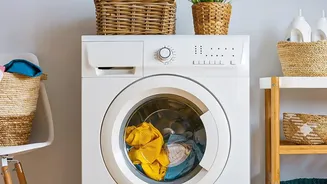
It might feel more efficient to stuff as much as you can into the washing machine, but this is a major mistake during the monsoon. Overloaded machines do not clean clothes effectively, as detergent and water cannot circulate properly to remove dirt and residue. This leaves behind the very grime that bacteria feed on. More importantly for drying, a crammed load retains more water even after the spin cycle. By washing smaller loads, you ensure a better clean, a more effective spin that wrings out maximum water, and a lighter, less dense pile of laundry to hang up.
Give Your Clothes Some Space
Once washed, the single most important factor for indoor drying is airflow. Clothes packed tightly together on a drying rack trap pockets of humid air, effectively stopping the evaporation process in its tracks. Each item needs its own air space. When hanging clothes, ensure there is a clear gap between each piece. Avoid overlapping items or bunching them up. This generous spacing allows air to circulate freely around the entire surface of the fabric, carrying moisture away and dramatically speeding up drying time. It's better to use two drying racks with clothes spaced far apart than one rack that is overcrowded.
Create Your Own Breeze
Since you can't rely on a natural breeze indoors, you need to create one. A simple pedestal or box fan is your most powerful ally. Position the fan a few feet away from your drying rack and set it to a moderate speed. The goal isn't to blast the clothes directly, but to keep the air in the room moving, replacing the moist air surrounding the clothes with drier air. Using a fan in an oscillating mode can help circulate air across all the garments evenly. If you have a dehumidifier, running it in the same room will also significantly cut down drying time by pulling excess moisture directly from the air.
Extra Hacks to Beat the Dampness
A few extra steps can make a big difference. Before hanging, give each item a good, vigorous shake to open up the fibres. If an item is still quite damp, you can place it between a clean, dry towel and press to absorb more water. For clothes that are almost dry but retain a slight dampness, ironing can help remove the last bit of moisture and kill any lingering bacteria. When storing clothes, place silica gel pouches, chalk, or camphor balls in your wardrobe to absorb ambient moisture and prevent that dreaded musty smell from developing in the first place.
Fighting the Musty Smell
If your clothes already have a musty odour, simply masking it with fragrance won't work. The smell is caused by bacteria and mildew, which must be neutralized. Adding half a cup of white vinegar or baking soda to your wash cycle can effectively eliminate these odours. Both are excellent at breaking down the residue that causes smells and will rinse out completely. For prevention, always wash damp or rain-soaked clothes immediately instead of letting them sit in a laundry basket.