







The Dawn of Instant Gratification
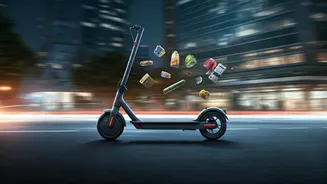
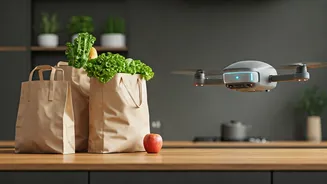
Quick commerce, or q-commerce, is the next frontier of e-commerce, built on one promise: ultra-fast delivery. Platforms like Blinkit, Zepto, and Swiggy Instamart have revolutionised urban retail by delivering groceries, electronics, and daily essentials
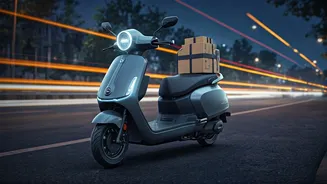
to your doorstep in as little as 10 to 30 minutes. This isn't your traditional next-day delivery; it's a model engineered for immediate needs. What began as a niche service has exploded into a multi-billion dollar industry in India, fueled by widespread smartphone use, digital payments, and the fast-paced nature of city life. The market, valued at around $5.92 billion in 2026, is projected to surge to nearly $17 billion by 2034, fundamentally changing consumer expectations. Waiting a day or two for a package now feels ancient when you can get what you need before your tea is ready.
The Secret Engine: Dark Stores
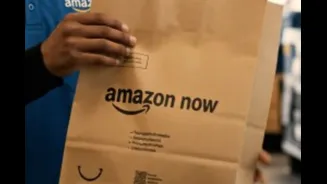
The magic behind this speed isn't magic at all, but a sophisticated logistics network built around 'dark stores'. These are not retail shops for customers to visit; they are small, hyperlocal warehouses strategically placed in dense residential areas. Each dark store stocks a curated inventory of 2,000 to 5,000 high-demand items, optimised using real-time data to predict local preferences. When you place an order, a 'picker' inside the nearest dark store gathers the items in under three minutes and hands them to a delivery partner waiting outside. This model serves a tight radius of only a few kilometres, making lightning-fast delivery possible. India currently has thousands of these dark stores, with major players like Blinkit, Zepto, Swiggy Instamart, and even giants like Amazon and Flipkart rapidly expanding their networks into Tier-II and Tier-III cities.
Reshaping How and What We Buy
The impact of q-commerce extends beyond just convenience; it's rewiring consumer behaviour. Initially used for forgotten groceries or late-night snack runs, these platforms are now used for routine and planned purchases. The assortment of products has expanded dramatically from staples to include electronics, beauty products, pharmaceuticals, and more. This shift is driven by the sheer convenience that has led a majority of frequent users to prefer online platforms for their daily shopping. For many urban consumers, especially millennials and Gen Z, the weekly grocery run is being replaced by smaller, more frequent on-demand orders. This has not only shifted sales from traditional kirana stores and supermarkets but has also been found to drive incremental consumption overall.
The Billion-Dollar Question of Profitability
While the growth is explosive, the path to profitability is fraught with challenges. The q-commerce model operates on thin margins and high operational costs, including expenses for running dark stores, fleet maintenance, and rider payouts. Intense competition often leads to deep discounts and promotional offers to attract and retain customers, further squeezing profits. For a long time, most players were heavily reliant on venture capital funding to sustain their cash-burning operations. However, the industry is now undergoing a structural shift from aggressive growth to achieving unit-level profitability. Companies are focusing on increasing their average order value (AOV) by expanding into high-margin categories and optimising delivery routes. A significant and fast-growing revenue stream has also emerged from in-app advertising, with brands paying top-dollar for visibility on these platforms.