




As temperatures dip, does your scalp feel tight and itchy while your hair becomes a frizzy, static-prone mess? You're not alone. The cold, dry air of winter is a notorious moisture thief, but a simple switch in your shower routine can help.
Why Colder Air Causes Hair Chaos
The shift to
cooler weather brings a double threat to your hair and scalp. First, the outdoor air becomes less humid, meaning there's less moisture available for your hair to absorb. Second, we turn on indoor heating, which further dries out the air inside our homes and offices. This combination of dry outdoor air and even drier indoor heat relentlessly pulls moisture from your skin and hair. Your scalp's protective barrier can become compromised, leading to that familiar tight, itchy, and sometimes flaky feeling. Simultaneously, the hair cuticle—the outermost protective layer of each strand—lifts as it loses moisture, resulting in a rougher texture, increased breakage, and the dreaded frizz and static.
How Hydrating Shampoos Restore Balance
This is where a hydrating shampoo becomes your first line of defence. Unlike standard or clarifying shampoos that can strip natural oils, hydrating formulas are specifically designed to cleanse gently while delivering a much-needed dose of water to your hair and scalp. They are formulated with ingredients called humectants, which act like tiny moisture magnets. These humectants attract water molecules from the atmosphere and bind them to the hair shaft and scalp, helping to replenish what the dry winter air takes away. Think of it as giving your hair a drink of water from the inside out, restoring flexibility and soothing your scalp.
Your Hydration Shopping List
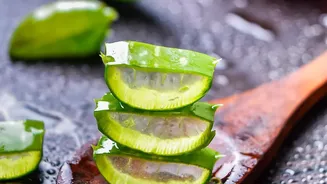
When you're scanning the ingredients list, look for powerful humectants that are proven to work. Hyaluronic acid is a superstar ingredient, famous for its ability to hold up to 1,000 times its weight in water. It forms a thin, hydrating film on the hair and scalp without weighing it down, making it great even for fine hair. Glycerin is another highly effective and common humectant that draws moisture into the hair, keeping it soft and elastic. Other fantastic hydrating ingredients include aloe vera, known for its soothing and moisturizing properties, and panthenol (a form of Vitamin B5), which helps to smooth the cuticle and add shine.
What to Leave on the Shelf
Just as important as what's in your shampoo is what isn't. To combat winter dryness, it's wise to avoid certain ingredients that can make the problem worse. Harsh sulfates, particularly Sodium Lauryl Sulfate (SLS), create a rich lather but can be too aggressive, stripping the scalp and hair of their essential natural oils. This can exacerbate dryness and irritation. Certain types of alcohol, often found in styling products but sometimes in shampoos, can also be very drying. While not all alcohols in haircare are 'bad', steering clear of formulas where it's a primary ingredient can help preserve your hair's moisture balance during the vulnerable winter months.
Tips for Making the Switch
To get the most out of your new hydrating shampoo, a few small adjustments can make a big difference. First, resist the urge to wash your hair every day; overwashing can strip away natural oils even with a gentle formula. Try extending the time between washes to every other day or a few times a week. When you do wash, use lukewarm water instead of hot, as high temperatures can also strip moisture. Always follow up with a nourishing conditioner, focusing on the midlengths and ends to seal in the hydration your shampoo just delivered. For an extra boost, consider using a humidifier in your home to add some moisture back into the air.