



What Exactly Is This Ancient Pulse?
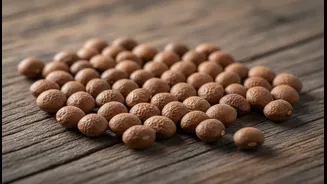
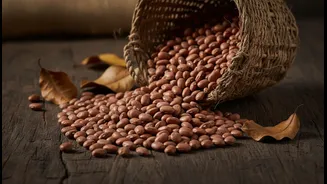
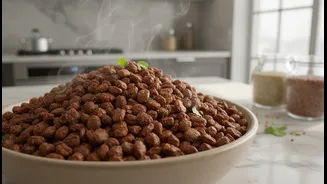
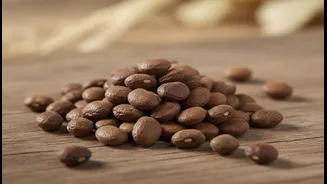
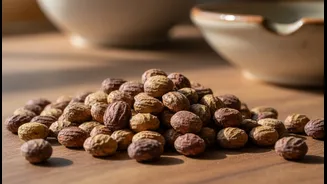
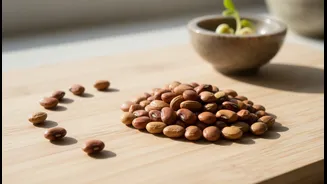
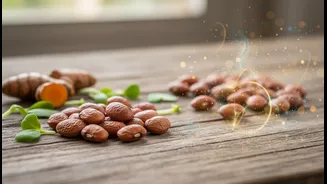
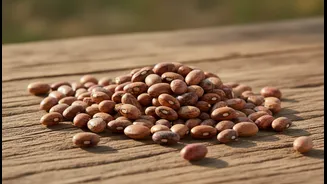
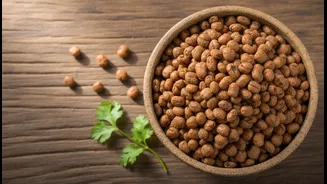
Horse gram, known scientifically as Macrotyloma uniflorum, is a small but mighty legume that has been cultivated in India for centuries. Its English name comes from its traditional use as a nutrient-dense feed for horses and cattle. However, across India,
it has long been a human dietary staple known by many local names: Kulthi in Hindi, Kollu in Tamil, Ulavalu in Telugu, and Muthira in Malayalam. This hardy, drought-resistant crop has been a reliable source of nutrition in rural and arid regions for generations, valued for its earthy, robust flavour. Though it may have been overlooked by urban kitchens for a time, a renewed interest in traditional and sustainable foods is bringing this ancient pulse back into the spotlight.
A Nutritional Powerhouse
Don't let its small size fool you; horse gram boasts an impressive nutritional profile. It is one of the richest plant-based sources of protein, making it an excellent choice for vegetarians and vegans. It's also packed with dietary fiber, which aids digestion and promotes a feeling of fullness, potentially helping with weight management. Furthermore, horse gram is a fantastic source of essential minerals. It has the highest calcium content among pulses, crucial for bone health, and is loaded with iron, which is vital for energy levels and preventing anaemia. It also contains a wealth of antioxidants, such as polyphenols and flavonoids, which help combat oxidative stress in the body.
Why the Comeback Now?
Several converging trends explain horse gram's modern-day resurgence. Firstly, there is a growing movement among health-conscious Indians to reconnect with their culinary roots and embrace indigenous foods. This 'back-to-basics' approach values traditional wisdom and local, sustainable crops over imported, processed alternatives. Secondly, horse gram fits perfectly into today's most popular wellness diets. With its low glycemic index, it is considered beneficial for managing blood sugar levels. Its high protein and fiber content appeal to those focused on fitness and weight management, while its gluten-free nature makes it accessible to everyone. Finally, nutritionists and chefs are increasingly celebrating its benefits, reintroducing it to a new generation through articles, recipes, and modern culinary interpretations.
From Traditional Rasam to Modern Salads
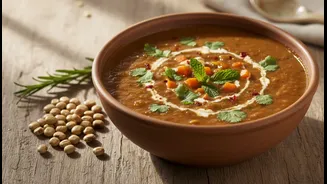
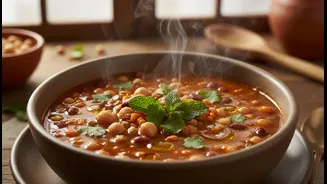
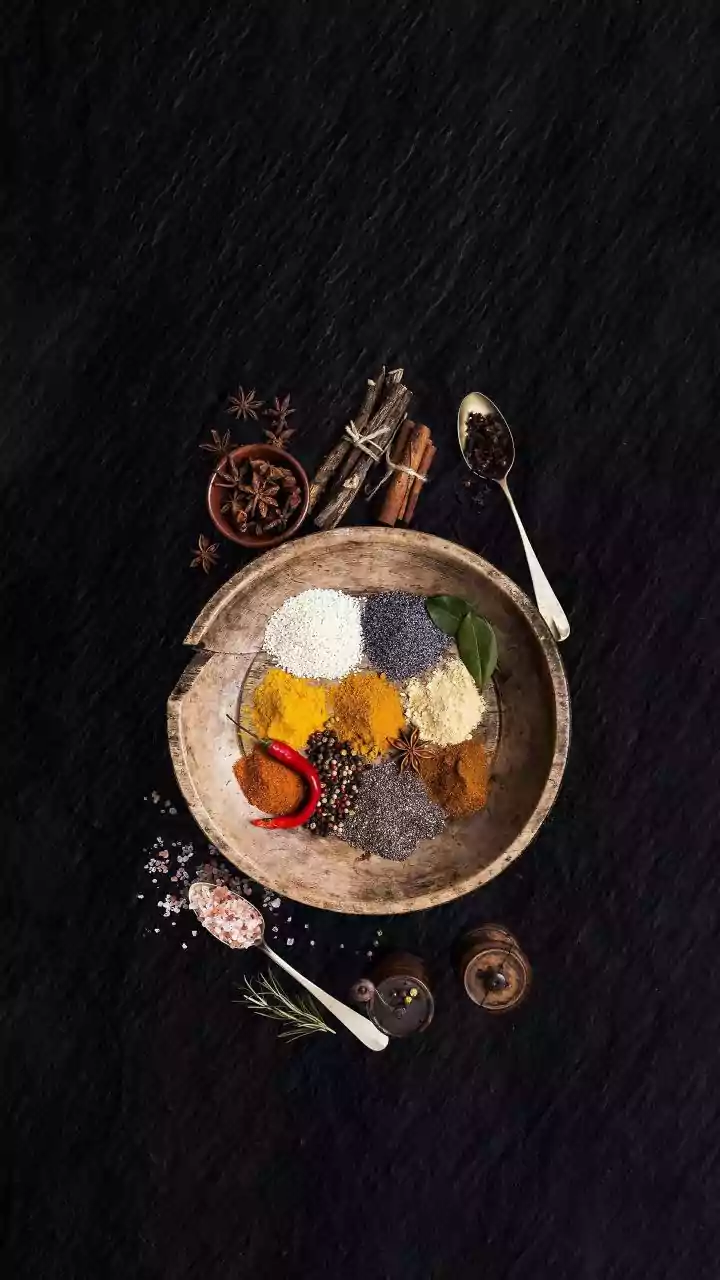
The versatility of horse gram is a key part of its appeal. In traditional South Indian kitchens, it is famously used to make 'Kollu Rasam', a peppery, warming soup often used as a home remedy for colds and coughs. Across the country, it's prepared as a hearty dal, a spicy chutney powder (podi) to be mixed with rice, or even sprouted and added to salads for a refreshing crunch. Modern cooks are finding new ways to incorporate it, using horse gram flour in baked goods or adding the cooked legume to stews and salads. Its robust, nutty flavour pairs wonderfully with bold spices like cumin, pepper, and tamarind.
A Note on Preparation and Caution
To get the most out of horse gram, proper preparation is essential. It is a very hard legume and requires soaking overnight, or for at least eight hours, before cooking. This process not only shortens the cooking time but also helps to reduce anti-nutrients like phytic acid, making its nutrients more bioavailable. After soaking, it can be pressure-cooked until tender. While incredibly nutritious, its high fiber content means that introducing it to your diet suddenly or in large quantities might cause bloating or gas for some. As an ingredient traditionally considered to generate heat in the body, Ayurvedic practitioners sometimes advise moderation, especially for certain body types.