







Swap Heavy Drapes for Sheer Curtains
One of the most impactful changes you can make is at your windows. Heavy, thick curtains made of velvet or dense jacquard are notorious for trapping moisture, blocking precious daylight, and taking ages to dry. This creates a perpetually damp and musty
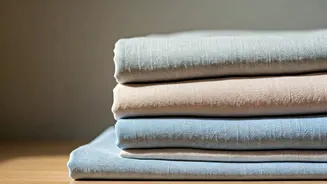
environment. For the monsoon months, switch to lightweight and sheer fabrics like cotton voile, linen, or lace. These materials allow maximum sunlight to filter through, brightening up rooms on overcast days. Their open weave also promotes better air circulation and they dry quickly, preventing the growth of mildew and that all-too-familiar rainy season smell.
Choose Breathable Bedding
There's nothing more uncomfortable than trying to sleep in a bed that feels slightly damp. High humidity means fabrics absorb moisture from the air itself. Heavy satin or synthetic microfiber sheets can trap this moisture along with body heat, leading to sticky, restless nights. The ideal choice for monsoon bedding is breathable, natural fabrics. Lightweight cotton, especially with a percale weave, is an excellent option as it stays crisp and allows air to circulate. Linen and bamboo are also fantastic choices; they are known for their moisture-wicking properties, pulling dampness away from the skin and drying relatively fast. This simple switch ensures your bed remains a fresh and comfortable sanctuary.
Rethink Your Upholstery and Rugs
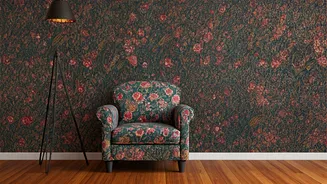
That plush velvet sofa or thick woollen carpet might feel luxurious in winter, but it becomes a liability during the monsoon. These dense materials act like sponges, soaking up ambient humidity and becoming breeding grounds for mould and unpleasant odours. While changing your sofa for a season isn't practical, you can protect it. Drape large, washable cotton or linen-blend throws over your upholstery. They are easy to remove and wash frequently, keeping your seating fresh. It’s also a wise move to roll up and store heavy wool or silk carpets. Instead, you can use lightweight cotton dhurries or jute rugs, which don't trap as much dampness and add a touch of earthy, seasonal charm to your floors.
Fabrics to Strictly Avoid
Certain fabrics just don't mix well with the Indian monsoon's humidity, which can soar above 80-90% in many cities. Velvet, corduroy, and heavy brocades should be packed away. Their thick pile traps moisture and dust, making them feel perpetually damp and heavy. Pure silk can also be problematic as it can show water stains and weaken when exposed to constant moisture. While many synthetic fabrics like polyester are marketed as water-resistant, they often lack breathability. This means they can trap sweat and feel sticky against the skin, making them unsuitable for bedding or cushion covers you're in direct contact with. Keep these textiles for drier, cooler months.
Care and Maintenance is Key
Choosing the right fabric is half the battle; the other half is proper care. During the monsoon, increase the frequency of washing for items like bedsheets and towels, as bacteria multiply faster in humid conditions. Ensure everything is completely dry before storing it away. Ironing linens after they are dry can help remove any lingering moisture. To protect stored fabrics in cupboards, avoid plastic bags which trap humidity. Instead, use breathable cotton bags and place silica gel packets or charcoal sachets on shelves to absorb excess moisture. On the rare sunny day, take the opportunity to air out all your textiles to keep them fresh.