


The Great Unplugging
The modern Indian professional is no stranger to burnout. A culture of constant connectivity, endless notifications, and the lingering effects of a work-from-anywhere world has left many feeling drained. In response, a new travel priority has emerged:
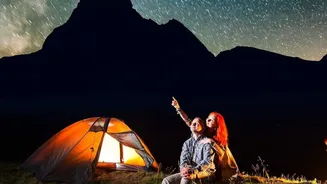
the digital detox. This isn't just about avoiding work emails; it's a conscious effort to disconnect from screens and reconnect with oneself. Stargazing destinations, by their very nature, are remote and often have limited connectivity, making them perfect for a forced unplugging. This desire for mental and emotional restoration is a key driver, with travellers explicitly seeking holidays that allow them to slow down, disconnect from daily pressures, and focus on their wellbeing.
A Search for Slower, Authentic Experiences
Post-pandemic travel has seen a significant pivot away from 'doing it all' towards more meaningful and immersive journeys. Young travellers, particularly Gen Z and millennials, are increasingly rejecting cookie-cutter tourist trails in favour of authentic connections. They prefer homestays over hotels and seek to understand a place like a local, not just visit it. Astrotourism fits perfectly into this 'slow travel' ethos. It's an activity that demands patience and quiet contemplation, offering a profound sense of awe rather than a packed itinerary. This search for authenticity extends to an environmental consciousness, with many young travellers drawn to the sustainable, low-impact nature of astro-tourism.
The Rise of the Celestial Aesthetic
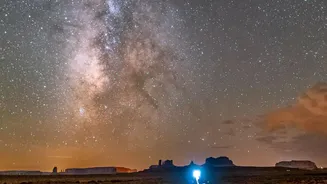
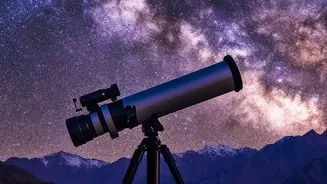
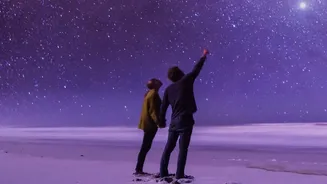
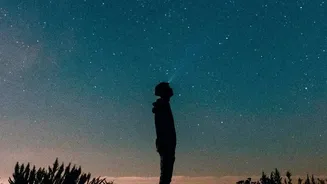
While the desire to disconnect is a major factor, social media ironically plays a role in popularising these off-grid escapes. The visual splendour of a sky full of stars is undeniable, and astrophotography has become a powerful travel motivator. Images of the Milky Way arching over a desert or Himalayan peak have created a new, aspirational 'dark sky aesthetic'. For many urban dwellers who have never seen a truly dark sky due to light pollution, these images spark a curiosity to witness the spectacle firsthand. This has turned once-niche locations into sought-after destinations, fueled by travellers eager to capture and share their own cosmic experiences.
India's Emerging Dark Sky Sanctuaries
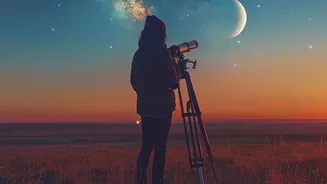
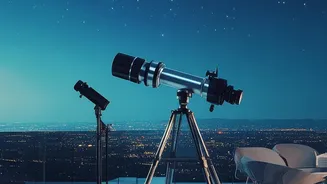
India's diverse geography offers a stunning array of locations perfect for this burgeoning trend. The undisputed crown jewel is Hanle in Ladakh, which was designated as India's first official Dark Sky Reserve. Located high in the Himalayas within the Changthang Wildlife Sanctuary, it boasts some of the clearest, darkest skies on the planet. The success of recent Indian space missions has also fuelled public interest in astronomy, making observatory visits and guided stargazing sessions increasingly popular. Other hotspots include the high-altitude deserts of Spiti Valley in Himachal Pradesh, the surreal salt flats of the Rann of Kutch in Gujarat, and even quieter spots in Coorg and Rajasthan. These destinations are developing infrastructure for astro-tourism, with local guides, homestays, and even festivals catering to celestial events.