

A Shift in Travel Seasons
The traditional Indian travel calendar was predictable: escape to the mountains in summer and head to the beaches in winter. The monsoon, from roughly June to September, was widely seen as a travel dead-zone—a time of inconvenience to be endured, not
embraced. That long-held perception is officially outdated. A growing wave of travellers is rewriting the rules, demonstrating that the rainy season has its own distinct magic. Data from travel platforms shows a remarkable surge in domestic travel during these months. For instance, Airbnb reported that domestic monsoon vacation searches saw a nearly 40% year-on-year increase, signalling that what once kept people home is now a reason to leave. This isn't just about a few adventurous souls; it reflects a fundamental change in how Indians are approaching their holidays, valuing flexibility and new experiences over conventional peak-season trips.
The Allure of the Off-Season
One of the biggest drivers of this trend is simple economics. With fewer international tourists and less domestic demand, the monsoon has historically been a low season for the travel industry. This translates into significant savings for savvy travellers, with hotels and flights often available at a fraction of their peak-season prices. Luxury properties that might be out of reach during December become accessible, and the overall cost of a trip drops considerably. Beyond the budget-friendly aspect, there's the appeal of fewer crowds. Popular monuments and viewpoints, which are often swamped during peak season, become more serene and personal. Imagine exploring Udaipur’s palaces without the usual throngs or having a stretch of a Goan beach almost to yourself. This quieter atmosphere allows for a more authentic and relaxed connection with a place.
A World Washed Anew
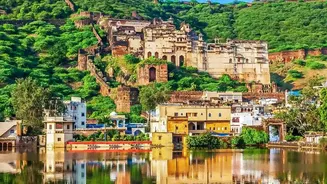
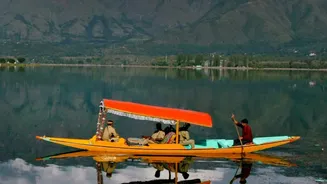
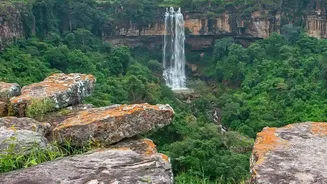
The true magic of monsoon travel, however, lies in the transformation of the landscape. The rains breathe life into scenery that is parched and dusty from the summer heat. Hills and forests erupt in countless shades of green, waterfalls cascade with renewed force, and lakes and rivers swell. Destinations across the country showcase this dramatic makeover. The Western Ghats, including popular spots like Lonavala and Mahabaleshwar, become lush wonderlands shrouded in mist. In Kerala, the backwaters and tea plantations in Munnar take on a dreamy, romantic quality. Even the arid landscapes of Rajasthan are transformed, with cities like Udaipur seeing their lakes fill and the Aravalli hills turning a vibrant green, offering a completely different experience from a winter visit.
The New Monsoon Traveller
Driving this trend is a new generation of travellers, particularly millennials and Gen Z, who have different priorities. The rise of remote and hybrid work models has untethered many from a rigid office calendar, allowing for more flexible travel. Instead of one long annual holiday, many now prefer multiple shorter trips, or 'micro-cations', throughout the year. Social media also plays a huge role. Platforms like Instagram are filled with dramatic photos of mist-covered mountains, rain-soaked roads, and moody cloudscapes, creating a powerful 'monsoon aesthetic' that inspires others to seek out these experiences. These travellers are often looking for more than just sightseeing; they want immersive experiences, from wellness retreats in Kerala to cozying up with a book and chai in a hill station cottage. It's a move away from a checklist of places to see and towards a desire to feel and experience a destination's unique seasonal rhythm.