



What Exactly Is Blush Blindness?
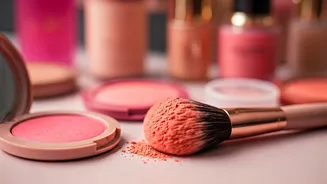
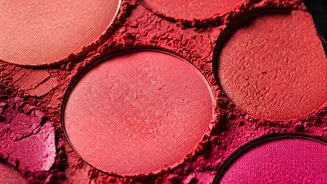
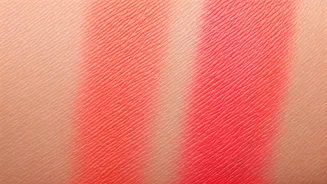
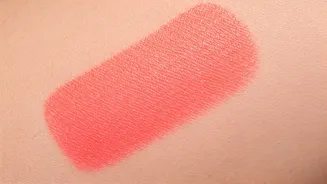
‘Blush blindness’ is a phenomenon where you become desensitised to the amount of blush you're applying. You add a little, then a little more, and soon you're layering product without realising how intense the colour has become. Professional makeup artist
Leti Meyers describes it as continuing to add more blush because you feel like you don't have enough on. It’s similar to how you might become 'nose-blind' to a perfume you wear every day. Your eyes adapt, and what might look dramatic to others seems normal to you, especially after weeks of repeating the same application. This effect is often amplified by phone cameras, ring lights, and filters, which can flatten makeup and make it appear less intense on screen than it is in real life.
A Trend Born From the Screen
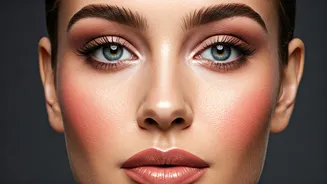
The rise of blush-heavy looks, inspired by celebrities like Sabrina Carpenter and viral products from brands like Rare Beauty, has put blush back in the spotlight. On platforms like TikTok, bold and expressive makeup often gets more engagement. This has fuelled trends like 'sunburn blush' and 'cold girl makeup,' which intentionally place vibrant colour across the cheeks and nose. While some makeup artists and influencers embrace the 'more is more' philosophy as a form of joyful self-expression, others see it as an accidental side effect of trying to replicate on-screen looks. What starts as an intentional, stylistic choice can easily become an everyday habit, leading you down the path to blush blindness.
The Psychology of More
This isn't the first time a beauty trend has pushed boundaries. Think of the bold, overdrawn eyebrows of the 2010s or the ultra-thin brows of the 2000s. These trends are rooted in self-expression and identity. Makeup is a powerful tool for confidence, and when a certain look is popular, we can become accustomed to seeing it. This is a normal process of visual adaptation. The only potential downside to blush blindness is if you feel you've lost control or are unhappy with the result. Ultimately, makeup has no rules, and if a cheek-heavy look makes you feel great, that's what matters most.
How to 'Cure' Blush Blindness
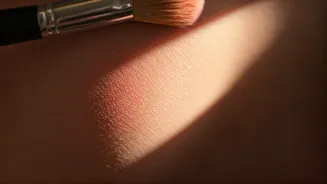
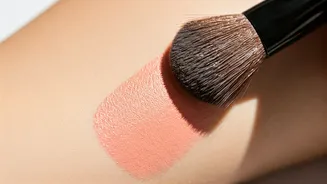
If you feel you’ve gone too far and want to recalibrate, the fix is simple. First, always try to apply your makeup in natural light, as artificial lighting can deceive you into applying more product than needed. When applying, start with a light hand. It's much easier to add more colour than to take it away. Tap any excess powder off your brush before it touches your face, or if you're using a cream or liquid, apply it to the back of your hand first to control the amount of pigment. Using sheer or buildable formulas can also give you more control. And if you do overdo it, don't panic. A clean, fluffy brush can be used to buff out the edges, or you can lightly go over the area with a sponge used for your foundation to tone down the intensity.
Finding Your Perfect, Natural Flush
For a natural look, makeup artists often recommend smiling to find the apples of your cheeks and applying blush there, blending upwards and outwards towards your temples. This circular motion helps create a diffused, soft finish. Another pro technique is to apply blush slightly higher on the cheekbones, sweeping it toward the hairline to create a lifted, sculpted effect. Using your fingers to blend cream blushes can also help, as the warmth of your skin melts the product for a seamless finish. And don't be afraid to experiment with placement. A light dusting over the bridge of your nose can mimic a natural, sun-kissed look. The key is to blend thoroughly so there are no harsh lines, making the colour look like a natural part of your complexion.