




The 'Natural' Beauty Allure
The trend of using fruit peels—from oranges, lemons, bananas, and more—as face masks is rooted in a desire for sustainable and chemical-free skincare. The logic seems simple: if the fruit is good for you, the peel must be too. Proponents claim these peels,
rich in vitamins and antioxidants, can brighten skin, reduce dark spots, and fight acne. This DIY approach is budget-friendly and appears to be a wholesome alternative to complex commercial products. For many, it feels empowering to whip up a beauty treatment from ingredients in their own kitchen. However, 'natural' does not always mean safe, especially when applied directly to the face.
The Hidden Risks in the Peel
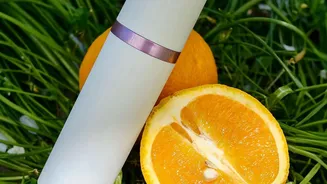
Fruit peels are not the same as the carefully formulated fruit extracts found in skincare products. Orange and lemon peels, for instance, contain high concentrations of citric acid. While this can exfoliate, in its raw, unregulated form it can easily irritate or even cause chemical burns on the skin. Many citrus peels also contain compounds that are phototoxic, meaning they can cause severe reactions like rashes, blisters, or hyperpigmentation when the skin is exposed to sunlight. Furthermore, unless the fruit is organic, peels can carry a residue of pesticides and bacteria that you may be rubbing directly onto your skin. Even seemingly gentle options like banana peels can cause irritation or breakouts if residue is left on the skin.
Why Winter Skin Is More Vulnerable
Winter brings a unique set of challenges for our skin. The combination of cold, dry outdoor air and central heating indoors strips the skin of its natural moisture. This process, known as transepidermal water loss, weakens the skin's protective barrier. This barrier is a crucial layer of lipids that locks in hydration and keeps irritants out. When compromised, skin becomes more sensitive, reactive, and prone to redness and flaking. Applying potent, acidic, or abrasive substances like raw fruit peels to this already vulnerable surface is asking for trouble. What might have been a mild irritation in summer could become a significant rash or burn on delicate winter skin.
Dermatologist-Approved Alternatives
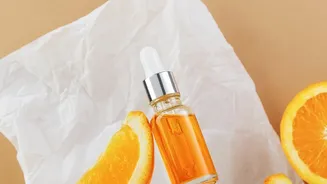
There is a consensus among dermatologists that the benefits of rubbing raw fruit peels on your face are minimal and not supported by scientific evidence, while the risks are real. Instead of experimenting with unpredictable DIY peels, experts recommend seeking out professionally formulated products that offer the benefits of fruits in a safe, controlled manner. For brightening, look for serums with Vitamin C. For gentle exfoliation, consider products with fruit enzymes from papaya or pineapple, or those containing lactic acid. These formulations ensure the active ingredients are delivered in concentrations that are effective yet non-irritating. A hydrating mask with ingredients like hyaluronic acid or a nourishing oil like jojoba or argan can also do wonders to support and repair your winter skin barrier.