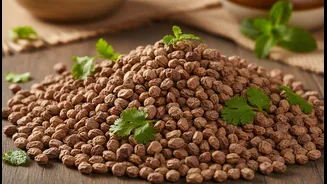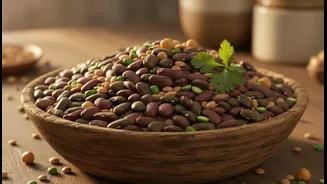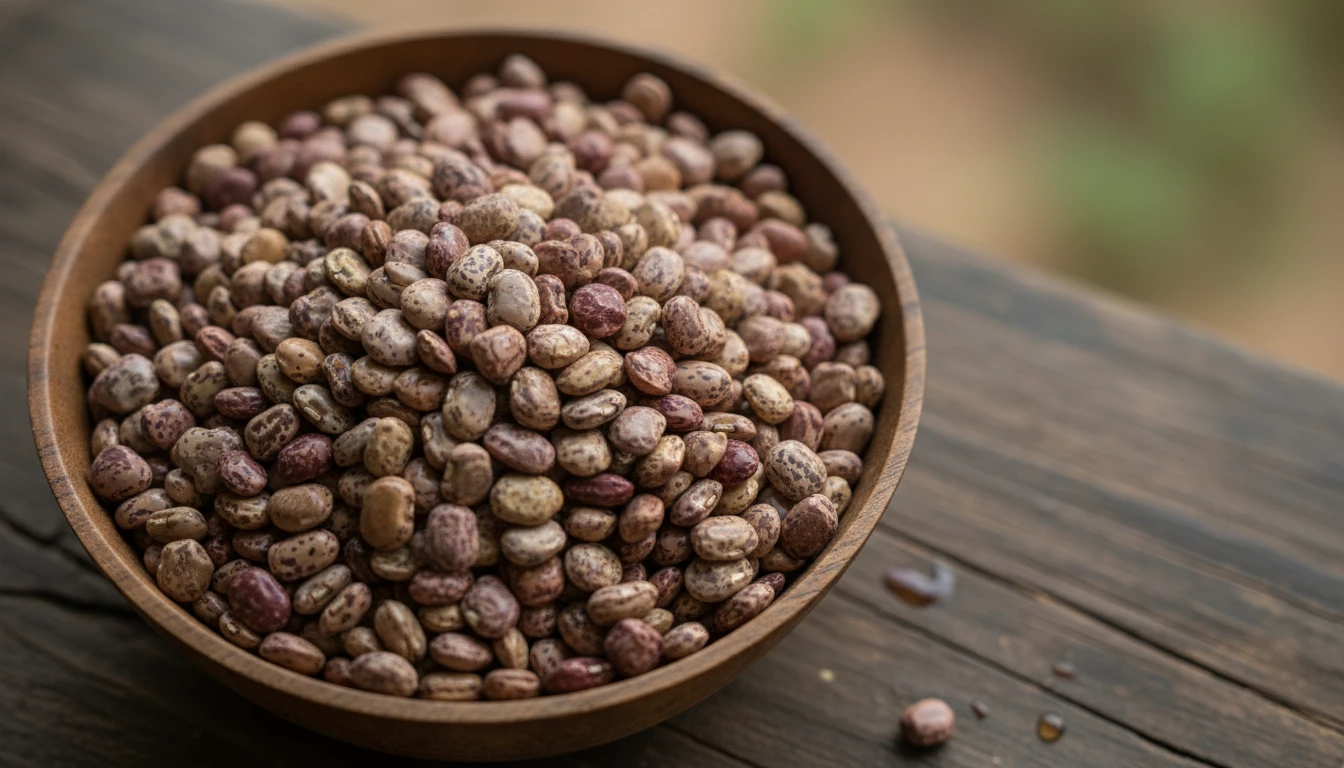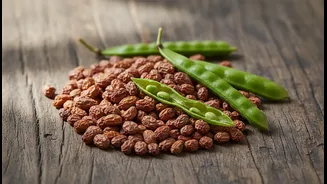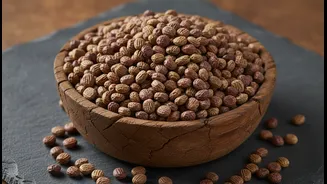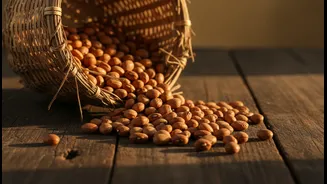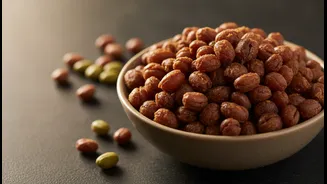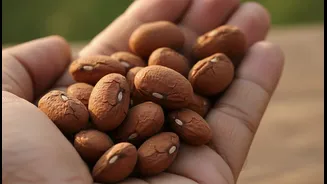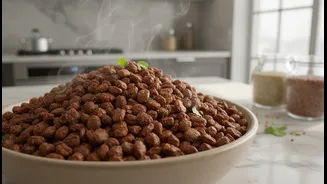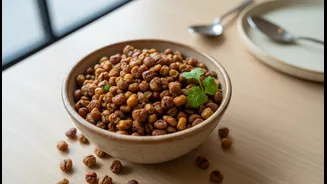



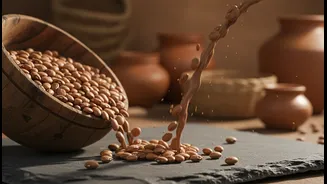
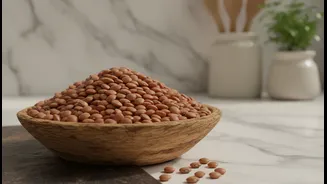
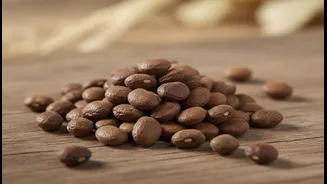


What is Horse Gram?
Known as kulthi in Hindi, ulavalu in Telugu, and kollu in Tamil, horse gram (Macrotyloma uniflorum) is a small, hardy lentil that has been cultivated in India for centuries. It gets its English name from its traditional use as a highly nutritious feed
for horses and cattle. This pulse is known for its resilience, capable of growing in dry, tough conditions where other crops might fail. Despite its 'low-profile' status compared to more common lentils like moong or masoor, horse gram has a distinct, earthy flavour and a texture that holds up well in cooking, making it incredibly versatile.
A Nutritional Powerhouse
Don't let its humble origins fool you; horse gram is arguably one of the most protein-rich lentils available. It is an excellent source of plant-based protein, dietary fibre, calcium, and iron. Traditional systems like Ayurveda have long revered horse gram for its medicinal properties, considering it a 'warming' food that aids digestion and metabolism. It is used in folk remedies for ailments ranging from the common cold and fever to kidney stones. Its high fibre and complex carbohydrate content also give it a low glycaemic index, making it beneficial for managing blood sugar levels.
A Taste of Tradition
Across India, particularly in the southern states, horse gram has been a cornerstone of regional cuisine for generations. In Karnataka, it is used to make Huruli Saaru, a flavourful rasam, and Huruli Basaaru, a unique two-part dish of a dry stir-fry and a gravy. In Andhra Pradesh, Ulavacharu, a thick soup made from horse gram, is a celebrated delicacy, sometimes even incorporated into biryani. Maharashtrian kitchens prepare a hearty sprouted horse gram curry called Kulith Usal, especially during winter. These dishes, perfected over generations, showcase the lentil's ability to form the base of deeply flavourful and nourishing meals.
The Modern Culinary Revival
So why the sudden resurgence? The return of horse gram to the spotlight is part of a larger culinary movement embracing indigenous ingredients and celebrating India’s diverse food heritage. Chefs and diners are increasingly looking beyond imported 'superfoods' to rediscover the nutritional gems in their own backyards. Modern restaurants are now creatively incorporating this traditional pulse into their menus. You might find horse gram in a creamy soup, sprouted in a fresh salad, ground into a flavourful powder for chutneys and spice mixes, or even used to make unconventional dishes like tikkis and parathas. Some Bengaluru restaurants have been known for a special dish called Kut Kofta, a notoriously difficult-to-perfect gravy made from horse gram extract. This revival is not just about nostalgia; it’s about appreciating the robust flavours and immense health benefits of an ingredient that has nourished communities for ages.