





The Daily Information Deluge
From Slack messages and project updates to industry articles and webinar notes, the amount of digital information the average worker processes daily is staggering. Our biological brains, which are brilliant at having ideas, are not designed to be flawless
storage devices. The attempt to remember everything leads to cognitive overload, stress, and the frustrating feeling that valuable insights are slipping through the cracks. This information overload can hinder our ability to stay organised and productive, making it difficult to focus on the creative, strategic thinking that truly drives our work forward.
Your Brain’s External Hard Drive
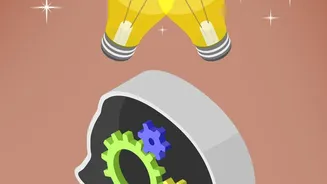
Enter the 'digital second brain'. Coined by productivity expert Tiago Forte, the term refers to a personal knowledge management system that acts as an external, digital repository for your ideas, notes, and learnings. Think of it less like a messy junk drawer and more like an extension of your own mind—a trusted place outside your head where you can store, organize, and easily retrieve information. By offloading the job of remembering, you free up your mind to do what it does best: problem-solving, connecting disparate ideas, and being creative.
The CODE Method: A Simple Framework
Forte's method for building a second brain is based on a four-step process known by the acronym CODE: Capture, Organize, Distill, and Express. First, you Capture ideas and information that resonate with you from any source. Next, you Organize this information for action, not just for storage. A popular way to do this is Forte's PARA method, which sorts information into Projects, Areas, Resources, and Archives. Then, you Distill the information down to its essential, most valuable points. Finally, you Express your knowledge by using it to create reports, presentations, articles, or other outputs.
Laying the First Digital Brick
Starting a second brain doesn't have to be a monumental task. The key is to begin small. Choose one digital note-taking app that you find intuitive and that works across your devices. Popular choices include versatile platforms like Notion, the classic Evernote, and the locally-stored Obsidian. Start by creating a habit of capturing anything that seems interesting or potentially useful—a quote from an article, a screenshot of a chart, a random idea from a meeting. Don't worry about perfect organization at first. The initial goal is simply to get information out of your head and into your trusted system.
From Information Chaos to Clarity
The long-term payoff is significant. Workers who consistently use a digital second brain report reduced stress and a greater sense of control over their work. Instead of frantically searching through old emails or browser bookmarks, you have a centralized hub for all your knowledge. This system allows you to find what you've learned or thought about in seconds, making it easier to connect ideas and build upon your past work. It transforms a chaotic flood of data into a structured library of personal insights, ready to be deployed for your next big project or breakthrough idea.