






From Burnout to Balance
The primary driver behind this shift is the modern epidemic of burnout. Young professionals, in particular, are navigating high-pressure careers, constant digital connectivity, and lingering post-pandemic fatigue. As a result, vacations are being redefined
from mere indulgences to essential maintenance for the mind and body. A 2021 study highlighted this sentiment, revealing that 84% of Indian travellers planned to prioritise their mental well-being more when travelling than they did before the pandemic. This isn't about escaping work, but about actively seeking environments that allow the nervous system to reset and recover from the demands of daily life. Travel is no longer just a break; it's seen as a powerful tool for managing stress and promoting overall health.
Wellness, Reimagined for a New Generation
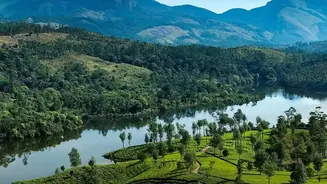
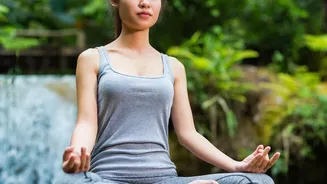
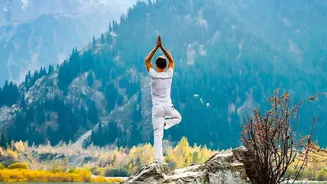
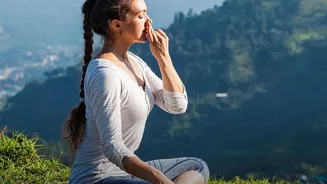
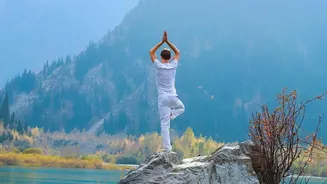
The term 'wellness travel' once conjured images of expensive spa treatments, but for young Indians today, it encompasses a much broader and more accessible set of experiences. This new definition is less about passive pampering and more about active, holistic healing. It includes digital detox retreats in remote locations like the Spiti Valley or the jungles of Karnataka, where poor connectivity becomes a feature, not a flaw. It also means spiritual but not necessarily religious journeys to the yoga capital of Rishikesh or Ayurvedic centres in Kerala for personalised healing programs rooted in ancient Indian wisdom. Even adventure and nature are part of this new wellness matrix, with activities like mountain trekking and forest bathing seen as ways to reconnect with oneself and the natural world.
The New Domestic Travel Map
This evolving preference is redrawing the travel map of India, pushing previously niche destinations into the spotlight. While international hubs like Bali and Thailand remain popular for their wellness offerings, there is a strong and growing interest in domestic locations. Rishikesh and its surrounding Himalayan foothills are epicentres for yoga and meditation. Kerala continues to be a global hub for authentic Ayurveda, attracting those seeking deep, restorative treatments. Destinations in Himachal Pradesh and Uttarakhand offer solitude and a chance to disconnect. Even Goa is being seen through a new lens, with a focus on its quieter southern beaches, yoga retreats, and serene villages, away from the party crowds. These places are chosen not for their landmarks but for their atmosphere of peace and healing.
Experience Is the New Luxury
At its core, this trend is about valuing experiences over simple sightseeing. A recent survey showed that for Gen Z travellers, relaxation is a core part of their travel plans for 72% of respondents. This generation prioritises cultural exploration and outdoor activities, choosing destinations based on what they can get out of the trip emotionally and physically. This mindset redefines luxury itself. Rather than five-star hotels, the new luxury is a personalised, exclusive, and meaningful experience—something that offers genuine emotional resonance. It's about having the time and space for self-reflection, learning a new skill like meditation, or simply immersing oneself in a local culture. For these travellers, the memories and personal growth gained from a trip are far more valuable than a collection of photos at tourist hotspots.