





Your First Line of Defence: Vehicle Readiness
Safe monsoon driving begins long before you turn the key. A vehicle prepared for the onslaught of rain is your best defence against unforeseen hazards. Start with the essentials: your tyres, brakes, and wipers. Tyres are your only contact with the slippery
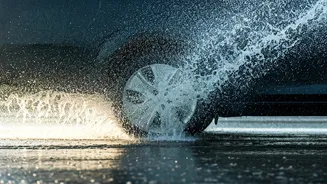
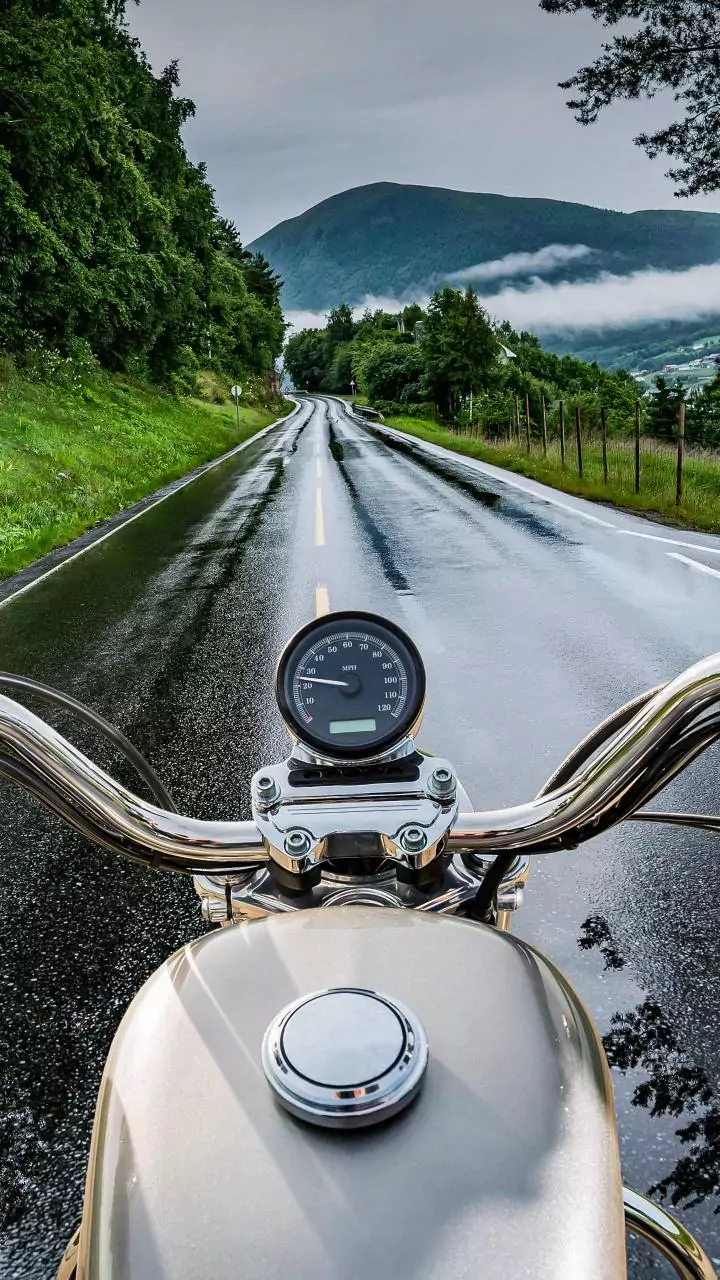
road, and their ability to channel water away is crucial. [6] Ensure your tyres have a tread depth of at least 3 mm for optimal grip on wet surfaces. [9] Worn-out tyres significantly increase the risk of aquaplaning, where a layer of water builds up between the tyre and the road, causing a complete loss of control. [6, 12] Equally critical are your brakes. Water can reduce braking efficiency, and stopping distances can increase dramatically on wet roads. [3, 8] A pre-monsoon check of your brake pads and fluid is non-negotiable. [4, 7] Finally, inspect your wiper blades. An Indian summer can harden the rubber, causing them to streak or judder. [8] If they don't clear the windshield cleanly, replace them immediately for clear vision in a downpour. [7]
On the Road: Slow Down and Keep Your Distance
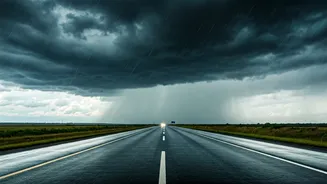
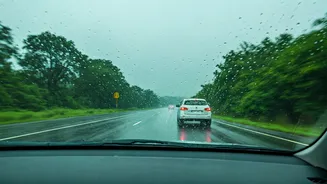
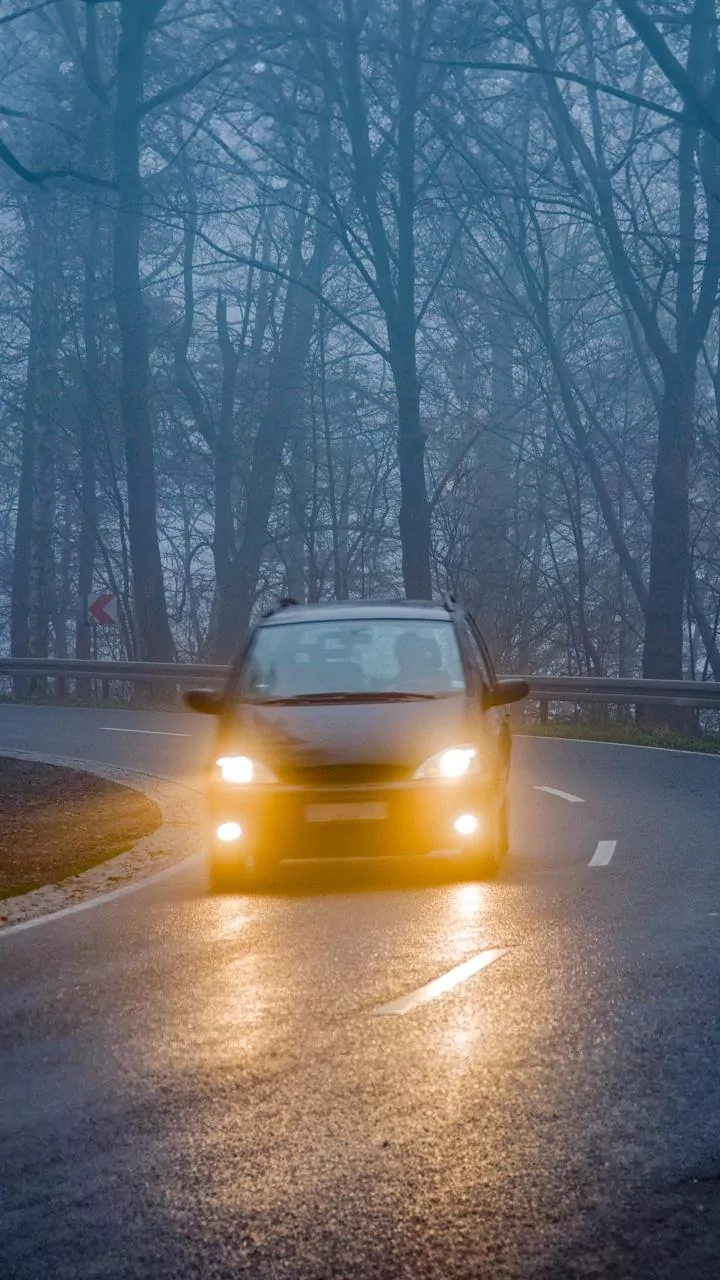
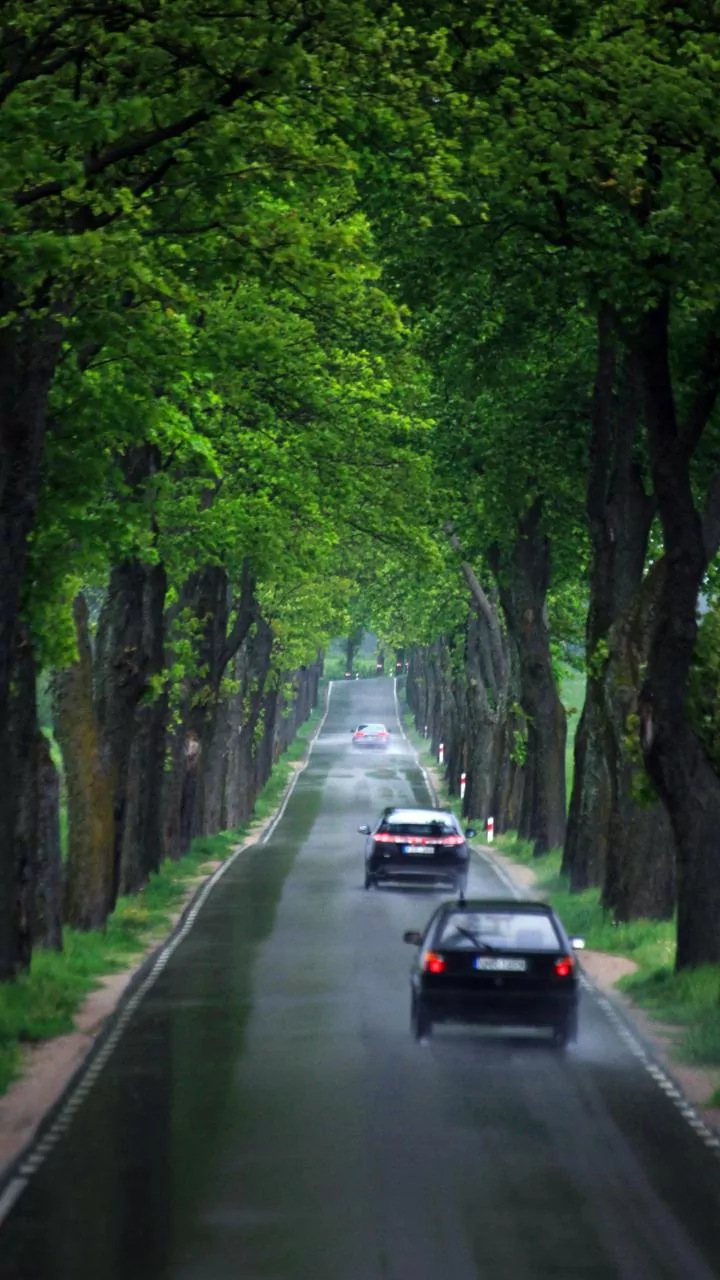
The single most effective decision a driver can make in the rain is to reduce speed. [4] Posted speed limits are for ideal, dry conditions. In heavy rain, freeway speeds can naturally drop by as much as 17 percent, and for good reason. [22] Reducing your speed gives your tyres more time to disperse water and maintain contact with the road, drastically lowering the risk of a skid. [11] Just as important is increasing the distance between you and the vehicle ahead. [14] Braking distances are severely affected on wet roads, so the usual gap won't suffice. [14] Doubling your following distance to at least five seconds is a wise precaution. [23] This buffer gives you more time to react to sudden stops or hazards. Avoid sudden manoeuvres, whether it's abrupt braking, sharp steering, or aggressive acceleration, as these actions can easily unsettle the car and lead to a loss of traction. [6, 12] Using low-beam headlights, even during the day, will also make you more visible to other road users. [4, 14]
The Menace of Hydroplaning: What To Do
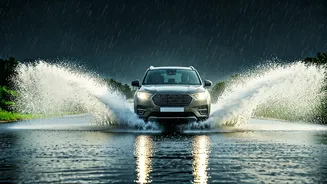
Hydroplaning is one of the most dangerous and frightening occurrences in wet-weather driving. [12, 15] It happens when your tyres encounter more water than they can scatter, causing them to lose contact with the road and skim across the water's surface. [11, 13] The steering may suddenly feel light, and you'll feel the vehicle start to slide. [15] Panic is the enemy. Do not slam on the brakes or jerk the steering wheel. [11, 15] Instead, ease your foot off the accelerator gently to allow the car to slow down naturally. [15] Keep the steering wheel pointed straight ahead or make only very gentle corrections in the direction you want to go. [17] As the vehicle slows, the tyres will regain contact with the road, and you will feel control return. [13, 15] The best way to handle hydroplaning is to prevent it by slowing down, ensuring your tyres have good tread, and avoiding large puddles of standing water. [11, 16]
Navigating Waterlogged Indian Roads
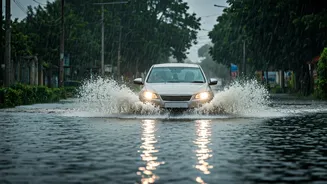
Waterlogging is a common and serious hazard on Indian roads during the monsoon. [2, 20] A puddle might conceal a deep pothole or even an open manhole that could cause severe damage to your car or lead to an accident. [8, 14] If you can, avoid driving through flooded stretches altogether. [14] If you must proceed, do so with extreme caution. Try to gauge the water's depth; if it seems higher than the bottom of your car's doors, it's safest to find an alternative route. Drive slowly and maintain a steady, low speed to create a 'bow wave' that pushes water away from the engine bay. [8] Avoid stopping if possible. Most importantly, if your car stalls in water, do not attempt to restart the engine. [3] This can cause water to be sucked into the engine, leading to a catastrophic failure known as hydrostatic lock. [3]