


The High-Altitude Himalayan Paradise
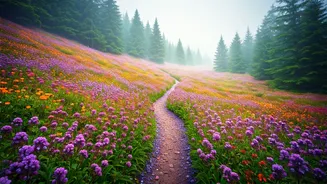
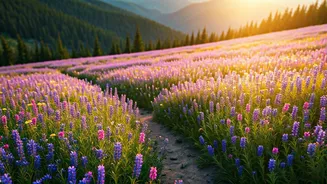
Tucked away in the upper reaches of Uttarakhand, the Valley of Flowers National Park is the stuff of legends. A UNESCO World Heritage Site, this ethereal valley is a high-altitude canvas painted with hundreds of species of alpine flowers. Reaching it requires
a moderate trek, which only adds to the magic. As you walk the trail from Ghangaria, the landscape slowly unfolds. You're surrounded by towering, snow-dusted peaks of the Zanskar range, while at your feet, a vibrant carpet of orchids, poppies, marigolds, and primulas unfurls. The air is crisp and filled with the scent of wild blossoms. It’s not just a trek; it's a pilgrimage for nature lovers. The best time to witness this spectacle is from July to early September, when the monsoon rains bring the valley to its most vibrant life.
Maharashtra’s Own Carpet of Colours
While the Himalayas have their valleys, the Western Ghats have the Kaas Plateau. Located near Satara in Maharashtra, this 'Plateau of Flowers' is another UNESCO World Natural Heritage Site, and for good reason. For a few short weeks after the monsoon, this volcanic rock plateau transforms into a breathtaking tapestry of endemic flowers. Over 850 different species bloom here, many of which are found nowhere else on Earth. Unlike the grand scale of a mountain valley, the beauty of Kaas is often in the details—tiny carnivorous Drosera plants glistening with dew, fields of pink Smithia flowers, and carpets of yellow Sonki. The experience is managed to protect the fragile ecosystem, with designated walking paths that allow you to immerse yourself in the colour without disturbing the blooms. Plan your visit between late August and early October for the peak blooming season.
Rhododendrons of the Eastern Himalayas
Often called Sikkim's own 'Valley of Flowers', Yumthang Valley offers a different but equally mesmerising floral experience. Situated at an elevation of over 3,500 metres, this valley is most famous for the Shingba Rhododendron Sanctuary. During the spring, the entire valley floor and its surrounding slopes are set ablaze with the brilliant colours of over 24 species of rhododendrons—the state flower of Sikkim. From fiery reds and bright pinks to delicate whites and purples, the flowers stand in stark, beautiful contrast to the lingering snow on the mountaintops. The Yumthang Chu river meanders gently through the valley, adding to the serene, picture-postcard scenery. It feels less like a tourist spot and more like a secret garden of the gods. The prime time to visit is from late February to mid-June, before the summer monsoon arrives.
A Once-in-a-Dozen-Years Spectacle
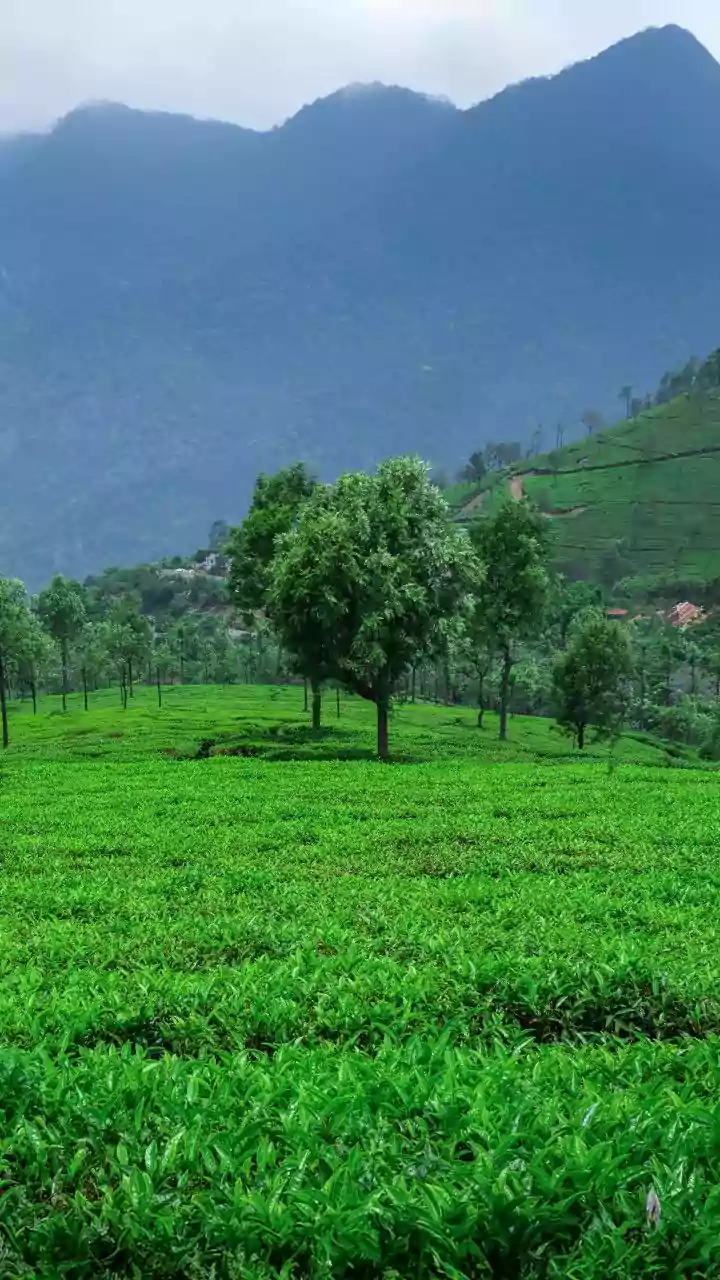
Some beauty is fleeting, while some is exceptionally rare. The blooming of the Neelakurinji flower in Munnar, Kerala, is the latter. These unique purplish-blue blossoms carpet the rolling hills of the Western Ghats only once every 12 years, creating a natural phenomenon that draws visitors from across the globe. When it blooms, entire hillsides are washed in a surreal shade of blue, a sight that has been described in ancient Tamil literature. The last major bloom was in 2018, with the next one anticipated in 2030. While you may have to wait to witness this specific marvel, the rolling tea plantations and misty hills of Munnar are a gentle and beautiful destination year-round. But marking your calendar for the next Neelakurinji season is an exercise in hopeful, long-term travel planning.
A Slice of Holland in Kashmir
Not all flower trails are wild; some are spectacular feats of human cultivation. The Indira Gandhi Memorial Tulip Garden in Srinagar is a perfect example. Spread across 30 hectares, it is Asia's largest tulip garden and a breathtaking sight to behold. Every spring, millions of tulips of every imaginable colour bloom in neat, cascading rows against the stunning backdrop of the Zabarwan Range, with the iconic Dal Lake shimmering nearby. The garden was created to boost tourism in Kashmir, and it has succeeded spectacularly, with an annual Tulip Festival celebrating the bloom. Walking through the garden feels like stepping into a painting. It's a vibrant, joyful, and immensely photogenic experience that showcases a different kind of floral beauty. The window is short but glorious, typically lasting from late March to late April.