








The Pull of the 'Natural' Diet
The raw food movement for dogs, often known by the acronym BARF (Biologically Appropriate Raw Food), is built on a simple, powerful idea: feed dogs what their ancestors ate in the wild. Proponents argue that a diet of raw meat, bones, and organs is the most
natural choice for canines, free from the preservatives, fillers, and processed ingredients found in much commercial kibble. This philosophy resonates deeply with a generation already focused on clean eating, organic produce, and wellness in their own lives. The logic is compelling: if whole, unprocessed foods are better for humans, shouldn't the same be true for our pets?
An Expression of Modern Pet Love
For many urban millennials, pets are not just animals; they are family. This humanisation of pets, a trend that accelerated during the pandemic, has profoundly changed the pet care industry in India. Younger generations are more likely to see their pets as 'starter children' or integral family members, providing emotional support and companionship. Preparing a raw diet is seen as an act of devotion, a hands-on way to provide the absolute best for their 'fur baby'. It’s a way to exercise control over their pet’s health and wellbeing, demonstrating a level of care that goes beyond simply filling a bowl with kibble.
The Social Media Influence
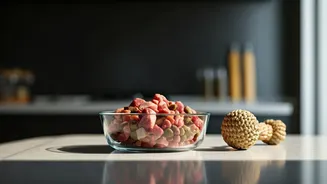
Scroll through Instagram or TikTok, and you'll find a world of 'petfluencers' showcasing perfectly prepared, colourful raw meals. These platforms have become powerful tools for product discovery and trendsetting in the pet world. Testimonials from fellow pet owners, complete with glossy-coated, energetic dogs, provide social proof that can feel more authentic than traditional advertising. The visual appeal of raw feeding, combined with community forums and social media groups, creates a strong sense of validation. This digital ecosystem allows pet parents to share tips, celebrate their pets' health transformations, and reinforce their dietary choices.
A Vet's-Eye View: The Risks Involved
Despite its growing popularity, major veterinary associations like the Canadian and American Veterinary Medical Associations advise against raw feeding. Their primary concern is the significant risk of bacterial contamination from pathogens like Salmonella, E. coli, and Listeria, which can sicken both pets and the humans handling the food. Freezing or freeze-drying does not eliminate these bacteria. Beyond infection, vets also point to the risk of nutritional imbalances in homemade diets, which can lead to deficiencies or excesses of certain nutrients over time. There is also the physical danger of feeding bones, which can cause tooth fractures or internal blockages.
Navigating the Raw-Food Maze
For those committed to the raw path, the choice isn't simple. There are commercial frozen or freeze-dried raw foods, which often claim to be nutritionally complete, and then there's the do-it-yourself (DIY) approach. While commercial options may mitigate some risks of nutritional imbalance, they still carry the risk of pathogen contamination. Proponents argue that the benefits—such as improved digestion, healthier skin and coat, and cleaner teeth—outweigh the risks, especially when proper food safety protocols are followed. However, the scientific evidence supporting many of these health claims remains limited compared to the well-documented risks.