





High, Dry, and Crystal Clear
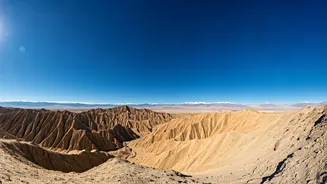
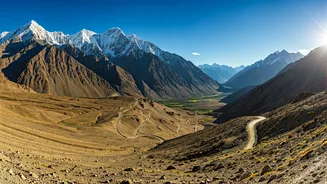
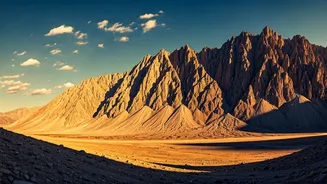
The primary reason astro-enthusiasts flock to Ladakh is its extraordinary geography. Situated at altitudes often exceeding 10,000 feet, the region literally brings you closer to the stars. At such heights, the Earth's atmosphere is thinner, which means
there is less atmospheric interference to blur the light from distant celestial objects. This results in exceptionally sharp and clear views of stars and planets. Furthermore, Ladakh lies in a rain shadow, making it a cold desert with very low humidity and minimal cloud cover for most of the year. This dry climate prevents the atmospheric haze and moisture that plague lower-altitude locations, ensuring the skies remain transparent and perfect for observation.
An Escape from Light Pollution
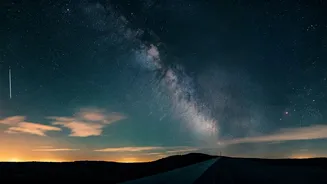
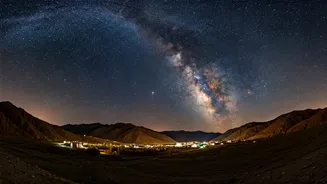
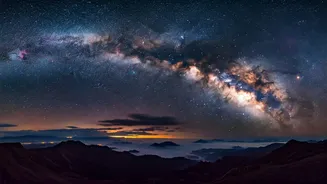
In most urban and even rural areas, the artificial glow from cities, towns, and roads washes out the night sky, a phenomenon known as light pollution. This makes it impossible to see fainter stars, nebulae, and the magnificent arc of our own galaxy, the Milky Way. Ladakh's remote hamlets, however, are some of the darkest places on Earth. Their isolation and sparse population mean there is virtually no artificial light to contaminate the natural darkness. This pristine black canvas allows for a breathtaking view of the cosmos, where thousands of stars, planets, and even meteor showers are visible to the naked eye.
India's First Dark Sky Reserve
The commitment to preserving these perfect conditions is officially recognized in Hanle, a remote village in eastern Ladakh. In December 2022, a 1,073-square-kilometre area around the village was designated as India’s first Dark Sky Reserve. This designation, a collaborative effort between local authorities and the Indian Institute of Astrophysics (IIA), involves strict controls on outdoor lighting to protect the natural darkness. Hanle is home to the Indian Astronomical Observatory (IAO), one of the world's highest observatories, which was established here precisely because of the superior sky quality. The reserve status ensures that both scientific research and astro-tourism can flourish without threatening the very darkness they depend on.
A Growing Astro-Tourism Community
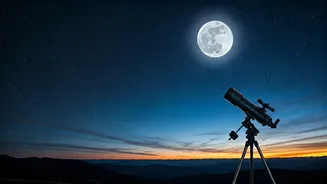
The rise of Ladakh as a stargazing hub is not just a natural phenomenon; it's also a community-driven one. The concept of astro-tourism is taking root, providing new opportunities for local communities. In villages like Hanle, local youths are being trained as 'astro-guides' to lead stargazing sessions for tourists, equipped with telescopes and knowledge about the night sky. Many homestays are now catering specifically to astro-tourists, offering basic amenities and the invaluable resource of a perfectly dark night sky right outside their door. This community-led approach offers visitors an authentic and educational experience, blending cultural immersion with cosmic wonder.
More Than Just Stargazing
A trip to these remote Ladakhi hamlets is about more than just looking up at the sky. It's an adventure that combines the thrill of high-altitude travel, the serenity of the starkly beautiful landscape, and a deep connection with the unique local culture. Visiting ancient monasteries like the one in Hanle, driving over the world’s highest motorable passes, and interacting with the local communities add rich layers to the experience. The journey to these stargazing spots—be it Hanle, the stunning Pangong Lake, or the tranquil Tso Moriri—is as memorable as the destination itself, making it a holistic and deeply rewarding experience for any traveller.