






The Fading Power of the Formula
For decades, the Hindi film industry operated on a tried-and-true formula. Take a bankable superstar, add spectacular song-and-dance numbers, a dash of action, and a predictable plot for a guaranteed box office hit. This model created cinematic eras defined
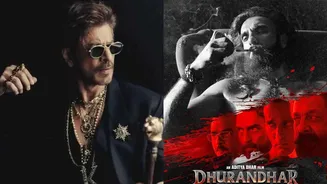
by romance or angry-young-man archetypes. However, recent years have seen this formula crack under pressure. A string of high-budget, star-led films like 'Thugs of Hindostan', 'Sikandar', and 'War 2' have underperformed, stunning the industry. These films, despite their massive budgets and marketing, were often criticized for weak scripts and outdated storytelling, proving that star power alone can no longer sustain a film beyond its opening weekend. The audience's verdict is clear: the name on the poster is no longer enough to save a bad story.
An Audience Exposed to the World
The single biggest catalyst for this change has been the explosion of Over-The-Top (OTT) streaming platforms. With services like Netflix, Amazon Prime, and others becoming household staples, Indian viewers gained unprecedented access to global cinema and sophisticated, long-form storytelling from around the world. This exposure has cultivated a more discerning palate. Audiences are now accustomed to nuanced characters, tight plotting, and diverse genres, raising their expectations for domestic cinema. A film that feels generic or lazy is quickly dismissed. The convenience of streaming has also raised the bar for what is considered a 'theatrical experience'. If a movie doesn't offer a compelling reason to leave the house, audiences are content to wait for its digital release.
Content Is the New Superstar
In this new landscape, content has become the ultimate kingmaker. Small and mid-budget films built on the foundation of a strong, authentic story are finding massive success, often driven by word-of-mouth. A prime example is 'Laapataa Ladies', a film made on a modest budget that resonated deeply with audiences for its warmth, humour, and poignant social commentary. It enjoyed a long theatrical run and widespread acclaim, proving audiences are hungry for authenticity. Similarly, '12th Fail' became a sleeper hit, celebrated for its inspiring and well-told true story. The success of such films indicates a clear shift: viewers are prioritising narrative quality and emotional connection over sheer spectacle. They are rewarding filmmakers who respect their intelligence and invest in good writing.
The Verdict from Social Media
The power dynamic has also been reshaped by the speed of modern communication. In the past, a film's marketing blitz could shape its initial perception. Today, the audience's real-time reaction on social media is far more powerful. A negative consensus can torpedo a film's prospects by its first Saturday, while genuine praise can turn a small film into a national conversation. This digital word-of-mouth is organic and difficult to manufacture, making it a more trusted metric for potential viewers than traditional reviews or promotional campaigns. It creates a feedback loop where good stories are amplified by the very audience they seek to capture, while weak ones are swiftly exposed. This forces producers and stars to recognize that the public is the most important critic, and their collective voice can make or break a film's fortunes.