








Why Fibre is Your Friend
Dietary fibre is a crucial part of a healthy diet, yet many of us don't get enough. The Indian Council of Medical Research (ICMR) suggests adults aim for 25 to 40 grams of fibre daily. However, studies show that many urban Indians consume only about 15
grams a day, creating a significant 'fibre gap'. This essential carbohydrate, found in plant-based foods, is a powerhouse for our wellbeing. It is best known for promoting healthy digestion and preventing constipation, but its benefits don't stop there. A high-fibre diet helps you feel full for longer, which can aid in weight management. It also plays a vital role in regulating blood sugar levels and can help lower 'bad' cholesterol, supporting long-term heart health. By simply increasing your fibre intake, you are taking a significant step towards better overall health.
Dal: The Daily Fibre Powerhouse
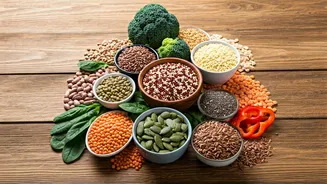
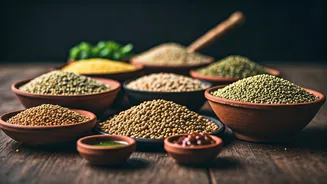
Lentils, or dals, are a cornerstone of Indian cuisine and, as it turns out, a fantastic source of dietary fibre. They are not only packed with plant-based protein but also contain both soluble and insoluble fibre, which work together to support your digestive system and promote satiety. Different dals offer varying amounts, so including a variety is key. For instance, a 100-gram serving of uncooked Chana Dal can contain a remarkable 10-17 grams of fibre, making it a true rockstar for slowing carbohydrate absorption. Urad Dal is another champion, providing around 18 grams of fibre per 100g. Moong Dal, celebrated for being easy to digest, still packs a punch with about 16 grams of fibre, while Toor Dal offers around 15 grams. Simply including a bowl of well-cooked dal in your daily meals is one of the most effective and traditional ways to bridge the fibre gap.
Chutney: A Surprising Fibre Boost
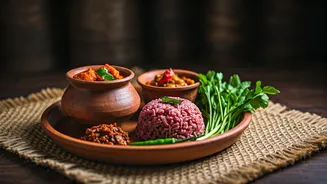
Often seen as just a flavourful condiment, chutney can be a surprisingly effective way to sneak more fibre into your diet. The secret lies in the ingredients. While a standard coriander and mint chutney provides some fibre, certain variations can significantly elevate your intake. For example, a dry chutney made from roasted flaxseeds (known as jawas or alsi) is exceptionally high in fibre and omega-3 fatty acids. Just one tablespoon of flaxseed chutney can add a significant 2 to 4 grams of fibre to your meal. Even the popular South Indian coconut chutney can be a good source of fibre, especially when prepared thoughtfully. A traditional and healthier way to make it involves adding roasted gram dal (pottukadalai), which not only boosts the protein and fibre content but also reduces the overall fat concentration from the coconut. You can also make delicious chutneys directly from high-fibre dals like moong or chana, creating a powerful nutritional side dish.
Simple Ways to Maximise Your Intake
Making small, consistent changes is the easiest way to increase your fibre consumption without a complete diet overhaul. Start by aiming to have dal or another legume with at least one of your main meals each day. When you prepare your dal, try not to strain it too much; retaining some of the cooked pulse provides more fibre than a completely smooth, thin liquid. Another simple trick is to add finely chopped vegetables like spinach, carrots, or lauki (bottle gourd) to your dal, which enhances both nutrition and fibre. For your rotis and breads, switch from refined white flour to whole-wheat or multigrain atta. When it comes to chutneys, keep a jar of homemade flaxseed chutney on hand to sprinkle over curd, salads, or dal-rice. When making coconut chutney, adopt the habit of adding roasted chana dal. Finally, remember that fibre needs water to work effectively, so ensure you stay well-hydrated throughout the day.