

The Allure and Challenge of Monsoon Treks
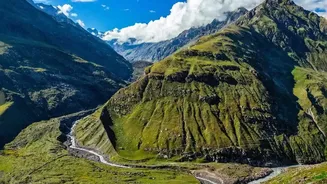
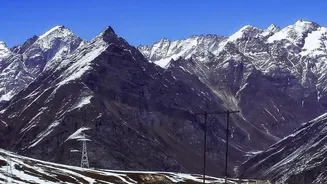
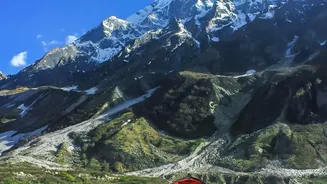
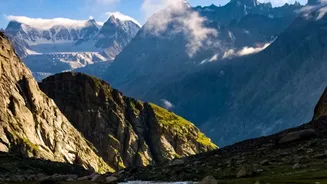
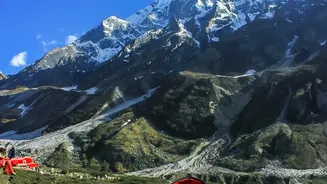
Trekking in Uttarakhand during the August monsoon is a double-edged sword. On one hand, the valleys are transformed into a vibrant, emerald paradise, with countless streams and waterfalls coming to life. The air is crisp, the forests are misty and magical,
and iconic treks like the Valley of Flowers are in their absolute prime. On the other hand, the season demands respect and careful preparation. Trekkers must be ready for slippery trails, unpredictable downpours, and the potential for landslides, which can affect road access to trailheads. The reward for this diligence is witnessing the Himalayas in their most lush and dramatic state, often with fewer crowds than in peak seasons.
Choosing Your Independence Day Trek
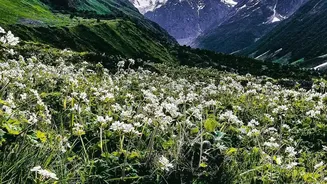
Not all treks are suitable for the monsoon. The undisputed star of the season is the Valley of Flowers National Park, a UNESCO World Heritage Site that is only open from June to October. August is the peak blooming period, when the valley floor is carpeted with hundreds of species of wildflowers, including the rare Brahma Kamal and Blue Poppy. Its well-paved trail makes it accessible even for beginners. Other popular and relatively safe monsoon options include Nag Tibba, a short and accessible trek near Mussoorie, and Dayara Bugyal, known for its vast, rolling green meadows. However, many high-altitude passes and summit attempts, like Kedarkantha's summit trail or the Har Ki Dun trek, are not recommended in August due to hazardous conditions.
Essential Gear for High-Altitude Rains
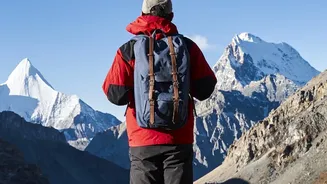
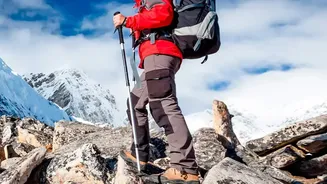
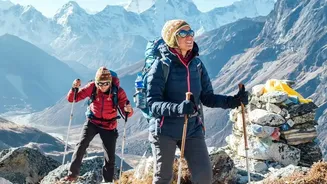
Your packing list can make or break a monsoon trek. The key is layering with quick-drying materials; avoid cotton at all costs as it absorbs water and can lead to hypothermia. A high-quality, three-layer setup (base, mid, and a waterproof outer shell) is crucial. Invest in sturdy, waterproof trekking shoes with excellent grip to navigate slippery and muddy trails. A reliable poncho or a large rain cover for your backpack is non-negotiable to keep yourself and your gear dry. Also essential are a waterproof bag for electronics, extra pairs of quick-drying socks, and perhaps leech socks for forested sections.
Prioritising Health and Acclimatisation
High altitude poses its own set of risks, primarily Acute Mountain Sickness (AMS). Symptoms can range from headaches to more severe issues. Proper acclimatisation is the best prevention. Plan an itinerary that allows for gradual ascent and includes rest days. Stay thoroughly hydrated by drinking plenty of water, but avoid consuming untreated stream water. Carry a personal first-aid kit with medications for headache, stomach issues, and any personal prescriptions. It's also wise to inform your guide of any pre-existing health conditions. Treks to higher altitudes like Hemkund Sahib (often combined with the Valley of Flowers) require particular attention to how your body is adjusting.
Safety Protocols on the Trail
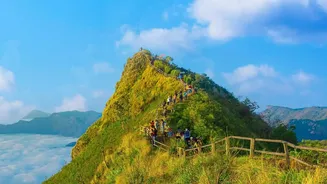
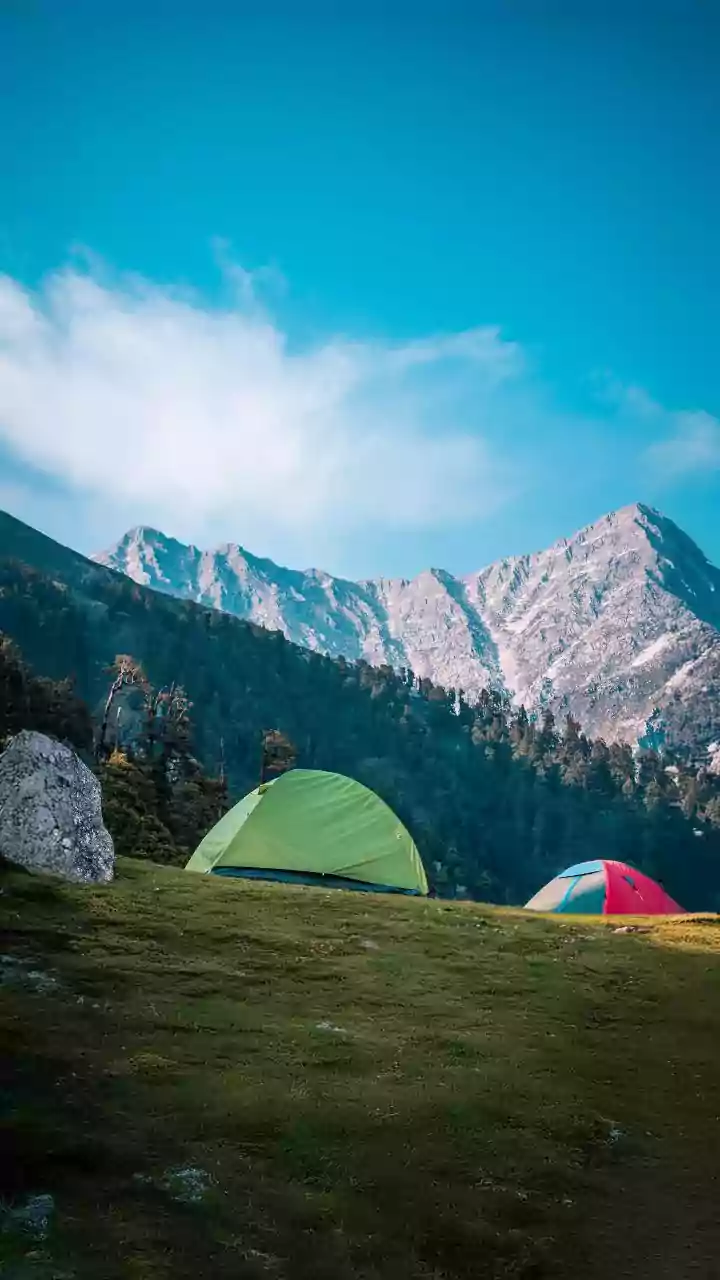
Safety should be the number one priority. Always trek with a certified, experienced local guide or a reputable trekking company. They have invaluable knowledge of current trail conditions, weather patterns, and safe routes. Due to unpredictable monsoon weather, which often worsens in the afternoon, it's a golden rule to start your trek early each day and aim to reach your campsite or guesthouse by 2:00 PM. Inform family or friends of your itinerary and expected return date. Be flexible; heavy rainfall may force you to take a rest day or alter your plans. Authorities may also prohibit trekking on certain routes if conditions become dangerous.