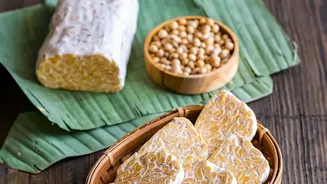






What is Fermentation, Really?
At its core, fermentation is a natural transformation. It’s a process where microorganisms like bacteria and yeast break down components in food, such as sugars and starches. This metabolic magic doesn't just preserve food; it fundamentally changes its composition,
creating unique flavours, textures, and, most importantly, a host of health-promoting compounds. For centuries, this was simply a practical way to extend the life of ingredients, but modern science is revealing that the process also unlocks a new level of nutrition, turning everyday foods into functional powerhouses.
The Known Benefits: More Than a Gut Feeling
The most well-known benefit of fermented foods lies in their contribution to gut health. Many are rich in probiotics, the 'good' bacteria that help maintain a healthy balance in our digestive system. A balanced gut microbiome is crucial for smooth digestion, reducing issues like bloating, and supporting regular bowel movements. A diet rich in fermented foods has been shown to increase the diversity of microbes in the gut, a key indicator of a healthy digestive system. Furthermore, studies have found that regular consumption of foods like dahi can lead to higher levels of beneficial bacteria, which in turn helps strengthen the immune system.
Unlocking Hidden Nutrients
One of the most exciting areas of research is how fermentation increases the bioavailability of nutrients. This means it makes vitamins and minerals in food easier for our bodies to absorb and use. The process works by breaking down 'anti-nutrients' like phytates, which are compounds found in grains and legumes that can bind to minerals like iron, zinc, and calcium, preventing their absorption. By degrading these compounds, fermentation effectively unlocks these essential minerals. Moreover, the process can actually generate new nutrients, particularly B-vitamins, enriching the food beyond its original state.
The New Frontier: Immunity, Mood, and More
Scientists are now looking beyond the gut to understand fermentation's wider impact. A significant area of investigation is the 'gut-brain axis,' the complex communication network between our digestive system and our brain. Emerging research suggests that the compounds produced during fermentation can positively influence this connection, potentially affecting everything from mood to cognitive function. Studies have linked diets rich in fermented foods to reduced markers of inflammation throughout the body, which is a key driver of many chronic diseases. There is also growing evidence that these foods may play a role in managing conditions like high cholesterol and improving insulin sensitivity.
A Taste of Tradition in India
For those in India, embracing these benefits doesn't require a radical dietary shift. Our traditional cuisine is already rich with fermented superfoods. The fluffy idli and crisp dosa are prime examples of how fermenting a simple rice and dal batter makes it easier to digest and boosts its nutritional profile. Dahi, a daily staple, is a natural probiotic source. Regional specialties like the North Indian drink Kanji, made from fermented carrots, or the Manipuri soybean dish Hawaijar, offer unique flavours and health perks. These foods are a testament to an intuitive understanding of nutrition that science is only now beginning to fully appreciate.