





The Cold-Pressed Advantage
Before we dive into the specifics, let's understand what "cold-pressed"—often known as 'kachi ghani'—truly means. Unlike refined oils that use high heat and chemical solvents, cold-pressing involves mechanically crushing seeds at low temperatures, typically
below 49°C. This gentle process ensures the oil retains its natural flavour, aroma, and, most importantly, its nutritional profile, including antioxidants and vitamins that are otherwise destroyed by heat. The result is a purer oil that tastes like the seed it came from.
Mastering Mustard Oil
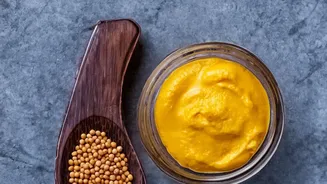
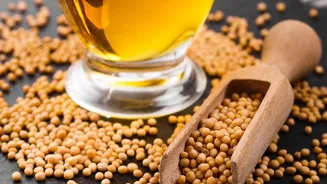
Known for its sharp, pungent flavour and deep golden hue, cold-pressed mustard oil is a cornerstone of North and East Indian cooking. Its distinctive taste comes from a compound called allyl isothiocyanate, which also gives it antimicrobial properties, making it excellent for pickling. To cook with it, you must first temper it. Heat the oil in a pan until you see the first wisp of smoke; this mellows its pungency, leaving a pleasant, nutty flavour. With a relatively high smoke point around 250°C, it's well-suited for high-heat applications like deep-frying snacks, preparing classic dishes like Sarson Ka Saag, and creating the aromatic base for fish curries.
Savouring Sesame Oil
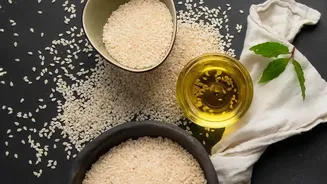
Often called gingelly oil, cold-pressed sesame oil is prized in South Indian and Asian cuisines for its rich, nutty aroma. It's packed with antioxidants like sesamol and sesaminol and heart-healthy polyunsaturated fats. While it can be used for cooking, its smoke point is moderate, making it best for low-to-medium heat applications. It shines when used for tempering dals and chutneys, in stir-fries, or as a finishing oil drizzled over idli with podi to add a burst of authentic flavour. Its distinctive taste is integral to dishes like pulikuzhambu and various rice preparations.
Going Great with Groundnut Oil
Cold-pressed groundnut oil is perhaps the most versatile of the trio for everyday cooking. It has a mild, nutty flavour that doesn't overpower dishes, making it a popular choice in Western and Southern India. Rich in monounsaturated fats and vitamin E, it is considered a heart-healthy option. Unrefined groundnut oil has a moderate smoke point of around 160°C, making it ideal for most daily Indian cooking techniques like sautéing, tadkas, and preparing curries. While some sources note it can be used for deep-frying at home, it's important to manage the temperature carefully to avoid breaking the oil down.
Quick Guide: Choosing Your Oil
Struggling to remember which oil to use? Here’s a simple breakdown: For Deep-Frying and Pickling: Mustard oil is your best bet due to its high smoke point and preservative qualities. For Everyday Curries and Sautéing: Groundnut oil offers a neutral flavour and good heat stability for your daily sabzis and dals. For Flavourful Tadkas and Finishing: Sesame oil provides an unmatched nutty aroma, perfect for tempering South Indian dishes or drizzling over meals just before serving.