




The Science of Post-Workout Recovery
Before diving into these specific foods, it's helpful to understand what your body needs after exercise. A workout, especially strength training, creates microscopic tears in your muscle fibres. To repair this damage and build stronger muscles, your body needs protein.
Protein provides the essential amino acids that act as the building blocks for muscle tissue. Additionally, intense exercise depletes your body's glycogen stores, which are its primary source of energy. Consuming carbohydrates after a workout helps to replenish these stores, ensuring you have the energy for your next session and preventing fatigue. A combination of protein and carbohydrates is the gold standard for a recovery meal.
Lentils: The Protein and Carb Combo
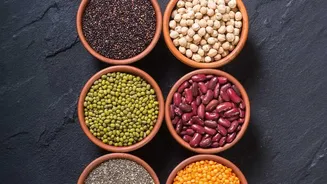
Lentils are a nutritional powerhouse and a fantastic, budget-friendly option for recovery. A single cooked cup provides around 18 grams of plant-based protein, which is crucial for muscle repair. But their benefits don't stop there. Lentils are also rich in complex carbohydrates and fibre. These slow-digesting carbs provide a sustained release of energy to replenish your depleted glycogen stores without causing a sugar crash. Furthermore, lentils are packed with iron, a mineral essential for transporting oxygen to your muscles, which aids in both performance and recovery. They also contain important micronutrients like folate, magnesium, and potassium, which support cellular repair and muscle function.
Tofu: The Complete Protein for Muscle Repair
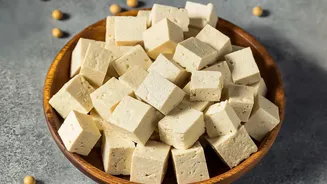
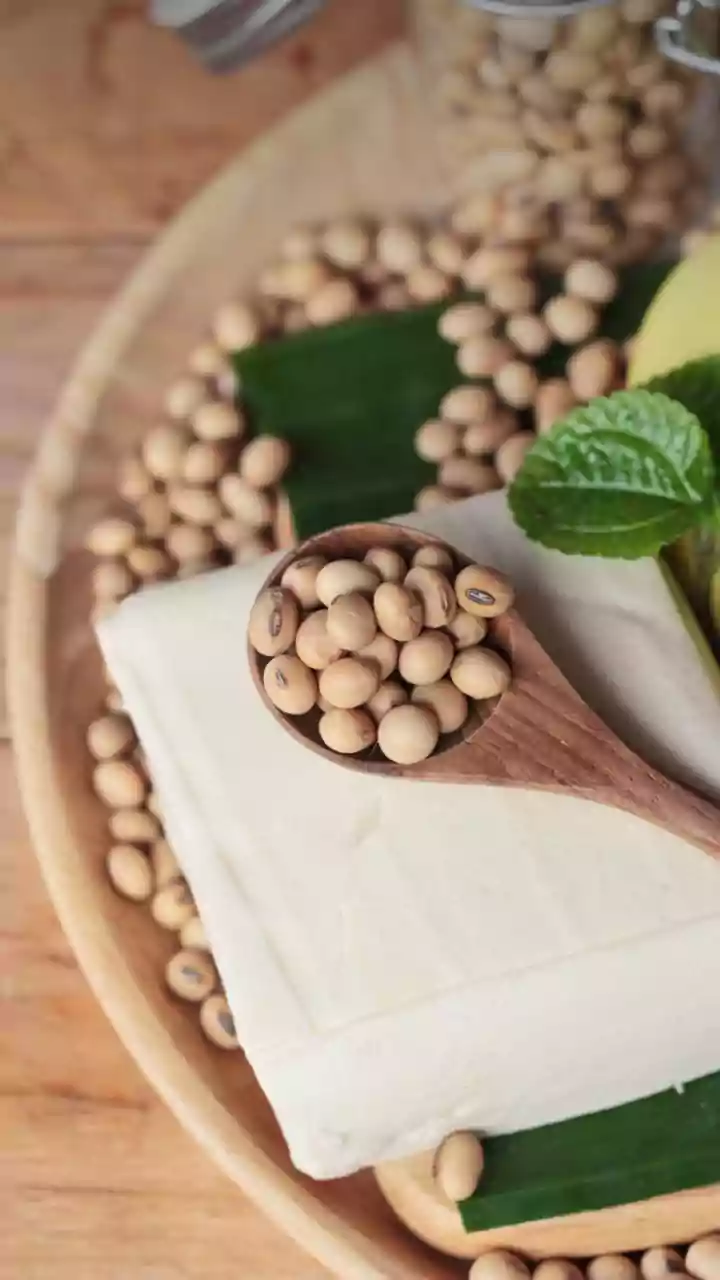
Tofu, made from soybeans, stands out in the plant kingdom because it is a 'complete' protein. This means it contains all nine essential amino acids that the body cannot produce on its own, making it highly effective for muscle protein synthesis. A 100-gram serving of firm tofu can offer around 10 to 12 grams of protein, making it an excellent addition to a post-workout stir-fry or scramble. Beyond its protein content, tofu also contains compounds called isoflavones, which have antioxidant and anti-inflammatory properties. This can help manage the inflammation and oxidative stress that naturally occur after intense exercise, potentially reducing muscle soreness and speeding up recovery time. It's also a great source of minerals like calcium and iron.
Pumpkin Seeds: A Micronutrient Powerhouse
While often overlooked, pumpkin seeds are a small but mighty addition to any recovery plan. They are particularly valuable for their rich mineral content. Pumpkin seeds are one of the best plant-based sources of magnesium and zinc. Magnesium is vital for over 300 bodily functions, including muscle contraction, nerve function, and energy production. It can help prevent muscle cramps and aids in overall recovery. Zinc plays a key role in protein synthesis and immune function, both of which are critical after the stress of a workout. In addition to these minerals, pumpkin seeds provide healthy fats, protein, and antioxidants, all of which support cellular repair and help reduce inflammation.
Creating the Ultimate Recovery Meal
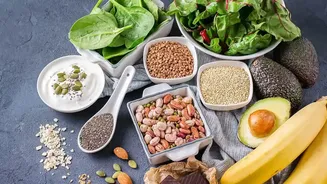
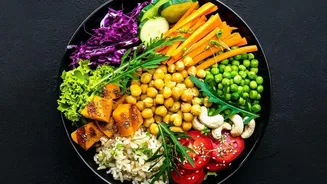
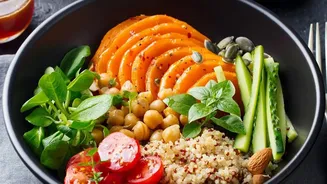
The true magic of these three ingredients lies in their synergy. You can easily combine them to create a balanced and delicious post-workout meal. Consider a warm bowl of lentil soup topped with roasted tofu cubes and a sprinkle of pumpkin seeds for added crunch and nutrients. Another great option is a large salad with a base of leafy greens, topped with a scoop of cooked lentils, grilled tofu, and a handful of pumpkin seeds. You could also blend silken tofu into a smoothie with fruit for carbs and a tablespoon of pumpkin seeds for healthy fats and minerals. By incorporating these versatile and nutrient-dense foods, you give your body the complete package it needs to repair, replenish, and come back stronger for your next workout.