

Understanding the 'Damp-Coat' Problem
The term 'damp-coat allergy' is a bit of a misnomer. Your dog isn't allergic to water, but rather to the microscopic organisms that thrive in a damp, warm environment. The high humidity of the Indian monsoon creates the perfect incubator for fungi like
yeast and Malassezia, as well as various bacteria, right within your dog's fur. When a coat remains wet, especially a thick undercoat, it traps moisture against the skin, allowing these organisms to multiply. This proliferation can lead to a host of uncomfortable symptoms, including persistent scratching, redness, a musty odour, scaly patches, and even secondary infections if left untreated. Areas with poor air circulation like paws, ears, armpits, and skin folds are particularly vulnerable.
The Art of a Proper Post-Walk Dry
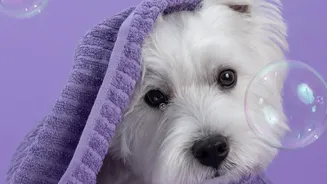
Thoroughly drying your dog after every single exposure to rain is the single most important preventative step. A quick towel-down is often not enough. Start with an absorbent microfibre towel, paying special attention to the belly, paws, and underarms. For dogs with long or dense coats, a towel alone cannot reach the undercoat where moisture gets trapped. In these cases, using a pet-safe blow dryer on a low-heat, low-speed setting is non-negotiable. Keep the dryer moving to avoid concentrating heat on one spot. Establishing a designated drying station near your door with towels and tools at the ready can turn this crucial task into a quick and stress-free routine.
A Proactive Monsoon Grooming Routine
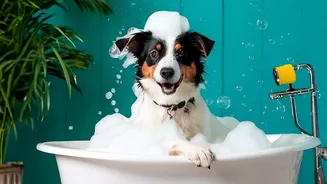
During the rainy season, your dog’s grooming needs change. Daily brushing becomes essential, as matted fur acts like a sponge, trapping moisture and debris against the skin. Bathing should be done every two to three weeks, but not too frequently, as over-bathing can strip the skin of its natural protective oils. When you do bathe your dog, consider using a vet-recommended medicated or antifungal shampoo containing ingredients like ketoconazole, especially if your pet is prone to infections. Paw care is paramount. After every walk, wash their paws with lukewarm water and check carefully between the toes for mud, debris, or signs of irritation. Keeping the hair trimmed short around the paws and belly can also significantly reduce the amount of water and dirt they track inside.
Managing Your Home Environment
The battle against dampness extends to your living space. High indoor humidity makes it harder for your dog's coat to ever fully dry and encourages the growth of mold spores in your home, which can also act as allergens. Running a dehumidifier can make a significant difference, aiming to keep indoor humidity levels between 50-60%. Ensure good ventilation throughout your home. It’s also crucial to wash your dog’s bedding, blankets, and soft toys at least once or twice a week in hot water during the monsoon, as these items are prime breeding grounds for fungi and mites.
Diet, Immunity, and When to Call the Vet
A strong immune system can help your dog's body manage environmental stressors. A balanced diet is foundational, and some vets recommend supplements like omega-3 fatty acids to support skin barrier health. During the monsoon, always provide fresh, clean drinking water and avoid letting your dog drink from puddles, which can harbour bacteria and parasites. While these preventative measures can manage most minor irritations, professional help is sometimes necessary. You should consult your veterinarian if you notice intense and constant scratching, open sores or pus, significant hair loss, or a foul odour that persists despite cleaning. These can be signs of a more serious infection that requires specific medication to resolve.