
The Comfort of the Familiar
In a world of constant change and digital overload, nostalgia offers a psychological safe harbour. Research suggests that turning to the past is a natural response to stress, uncertainty, and loneliness. For many Indians navigating rapid urbanisation
and social shifts, the familiar tunes and storylines of yesteryear provide a comforting anchor. This emotional connection isn't about living in the past, but rather using it as a resource to feel grounded in the present. Psychologically, nostalgic memories are often linked to positive feelings and social connectedness, activating the brain's reward system and creating a sense of safety and belonging.
A Shared Cultural Language
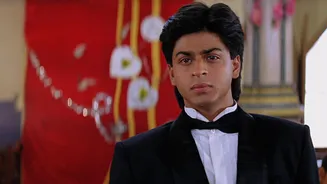
For generations of Indians, particularly millennials and Gen X, the songs and films of the 80s, 90s, and early 2000s are more than just media; they are a collective memory. These cultural touchstones formed a shared language during a time of monolithic media, before the internet fragmented audiences. A song from 'Dilwale Dulhania Le Jayenge' or a dialogue from 'Sholay' isn't just a piece of art; it's a reference point that instantly connects people. This shared heritage provides a powerful foundation for filmmakers and musicians, who tap into these memories to evoke an immediate emotional response and create a sense of community among viewers.
The Business of Yesterday
Beyond the emotional pull, nostalgia is a formidable business strategy. For studios and music labels, remaking a hit film or remixing a popular song is often seen as a lower-risk investment. These properties come with built-in brand recognition and a pre-existing audience, significantly reducing marketing hurdles. The success of sequels like 'Gadar 2' and the high engagement with re-released classics prove the commercial viability of this model. In an era where new content struggles to capture attention, nostalgia offers a reliable way to generate buzz, fuel social media trends, and ensure box office returns.
The Remix and Remake Debate
However, the reliance on nostalgia is not without its critics. Many artists and audience members argue that the constant recycling of old material stifles creativity and originality. There is a growing fatigue with the sheer volume of remakes, with many viewers questioning the industry's ability to produce fresh stories. Poorly executed remixes that alter classic lyrics or melodies often face significant backlash. The debate is particularly fierce as audiences now have easy access to original South Indian and international films, making them less tolerant of Hindi remakes that fail to adapt the story with cultural nuance or add new value.
Beyond Direct Copies: Nostalgia as a Vibe
The most successful uses of nostalgia often go beyond simple remakes. A growing trend involves creating new content that captures a nostalgic 'vibe' or aesthetic without being a direct copy. Shows and films set in the 90s, for example, leverage the clothing, music, and social mores of the era to evoke a sense of longing for a simpler time. This approach allows creators to innovate while still tapping into the powerful emotional current of the past. It introduces classic melodies to younger listeners in a new context, bridging generational gaps and ensuring the cultural legacy of these works endures.