



While Diwali illuminates every corner of India, the celebration in Ayodhya offers something more profound. It's not just a festival; it's a journey to the heart of a story, where ancient tradition and modern spectacle create an experience unlike any other.
The Spectacle of Light on the Saryu
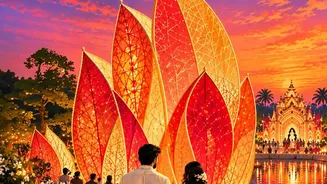
The centrepiece of Ayodhya's Diwali is the Deepotsav, a government-organised festival of lights that transforms the city into a divine landscape. The main event unfolds along the ghats of the sacred Saryu River, particularly at Ram Ki Paidi. Here, millions of earthen lamps, or diyas, are lit by tens of thousands of volunteers, creating a breathtaking sea of light that reflects in the river's gentle current. This grand display has consistently set Guinness World Records for the largest display of oil lamps, with the 2025 celebration seeing over 2.6 million diyas lit simultaneously. For 2026, the tenth edition of the event, the aim is to illuminate the city with an even greater number of lamps, creating a visual marvel that is both grand in scale and deeply personal in its spiritual glow.
The Spiritual Heartbeat of the Celebration
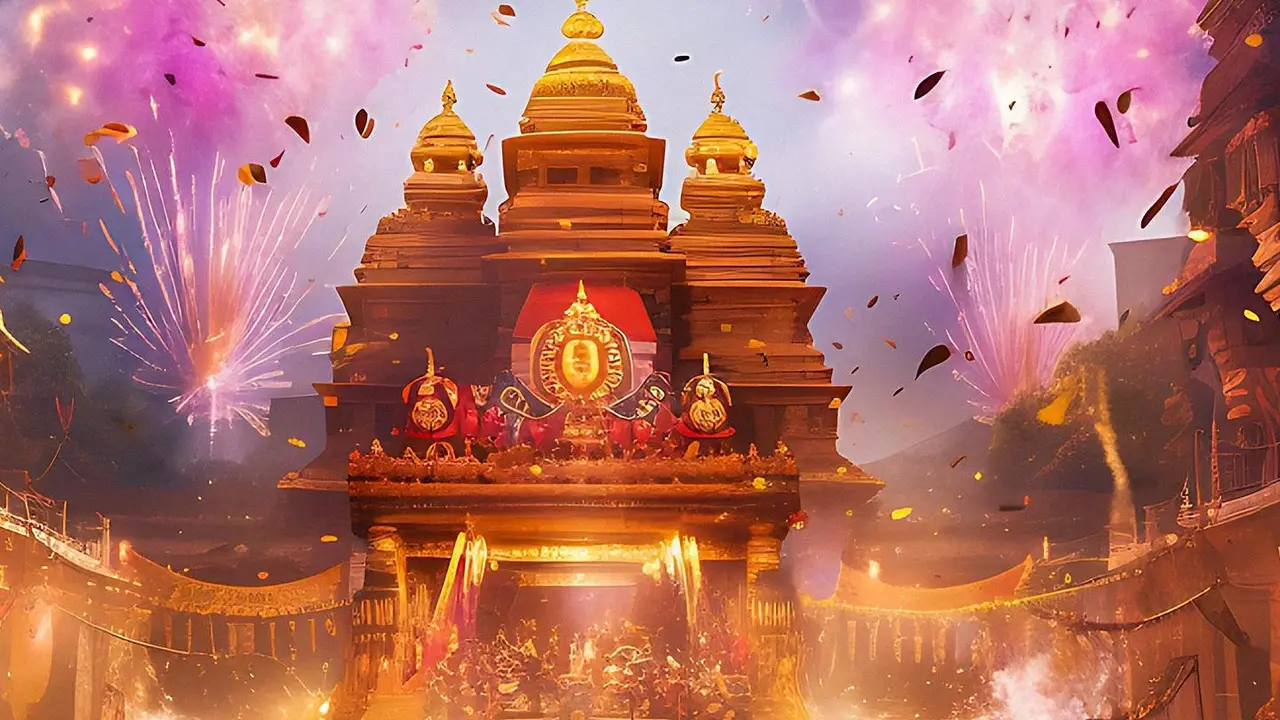
More than any other city, Ayodhya's connection to Diwali is foundational. According to the Ramayana, Diwali marks the return of Lord Ram to his kingdom of Ayodhya after 14 years in exile and his victory over the demon king Ravana. The people of Ayodhya lit lamps to illuminate his path home, a tradition that the city now reenacts with unparalleled devotion. The newly constructed Ram Janmabhoomi Temple stands at the spiritual epicentre of the festivities. During Deepotsav, the temple is magnificently decorated with flowers and lights, hosting special aartis and pujas that draw pilgrims from across the globe. Visiting the temple during this period is considered by many devotees to be the most significant darshan of the year.
A Rich Tapestry of Cultural Events
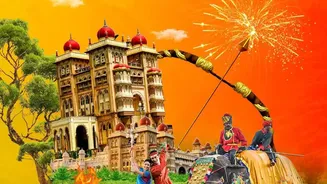
The celebration extends far beyond the riverbanks. The festivities typically unfold in several phases, starting with a grand procession known as the Shobha Yatra, where floats and performers depict scenes from the Ramayana. This is followed by cultural programs at Ram Katha Park, including the symbolic coronation of Lord Ram and performances by international Ramlila troupes. Modern technology blends with ancient tradition through stunning laser shows, 3D projection mapping, and elaborate drone shows that narrate the Ramayana across the night sky. The grand Saryu Aarti, a synchronised ritual of worship involving thousands of priests, is another highlight, filling the air with chants and the fragrance of incense.
Navigating Your Ayodhya Diwali Trip
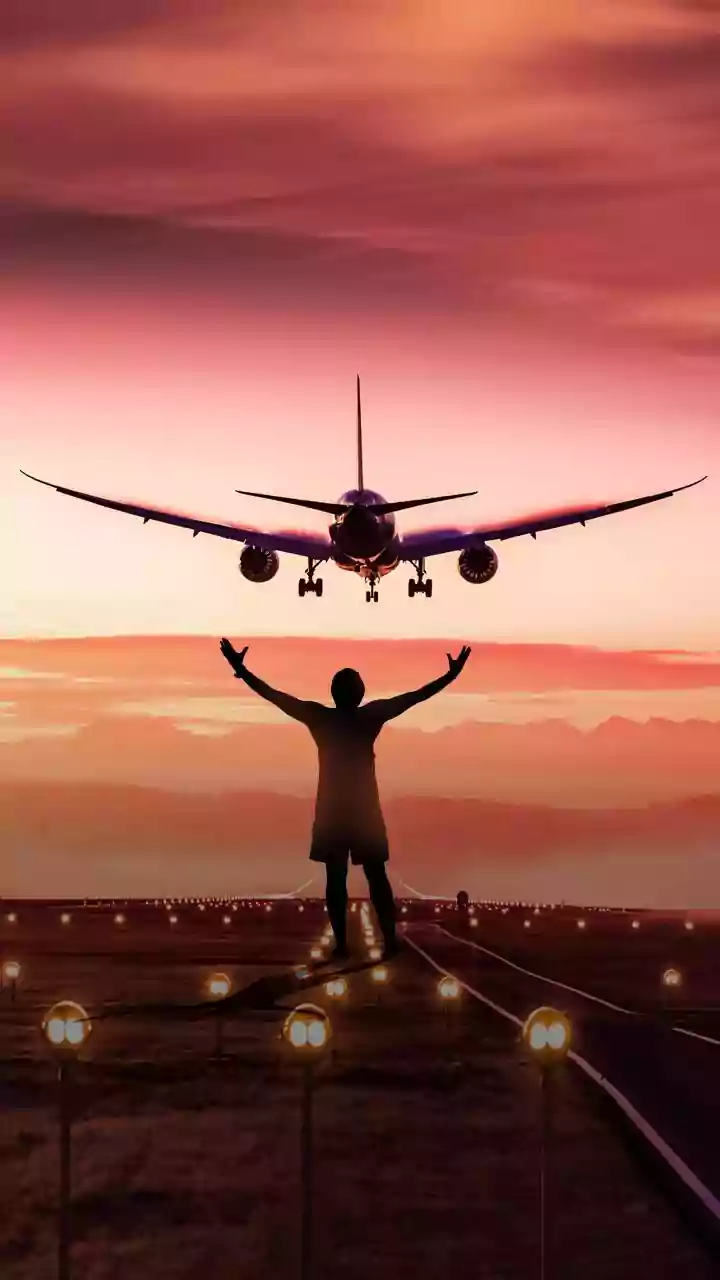
Experiencing Diwali in Ayodhya requires planning, as the city draws massive crowds. For 2026, the main Deepotsav is scheduled for November 7th, with Diwali falling on November 8th. It is highly advisable to book flights and accommodation months in advance. The city is accessible via the Maharishi Valmiki International Airport, with Lucknow and Varanasi as alternative airports. Ayodhya Dham Junction is the primary railway station. Once in the city, expect traffic restrictions around the main venues; be prepared to walk or use e-rickshaws. For darshan at the Ram Mandir, plan for an early morning slot to manage queues and check for official updates on timings. Accommodations range from luxury hotels to budget-friendly dharamshalas, but rooms sell out fast.