





Why Make the Millet Switch?
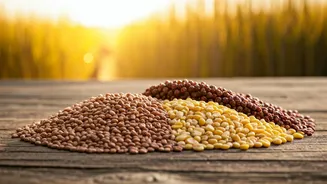
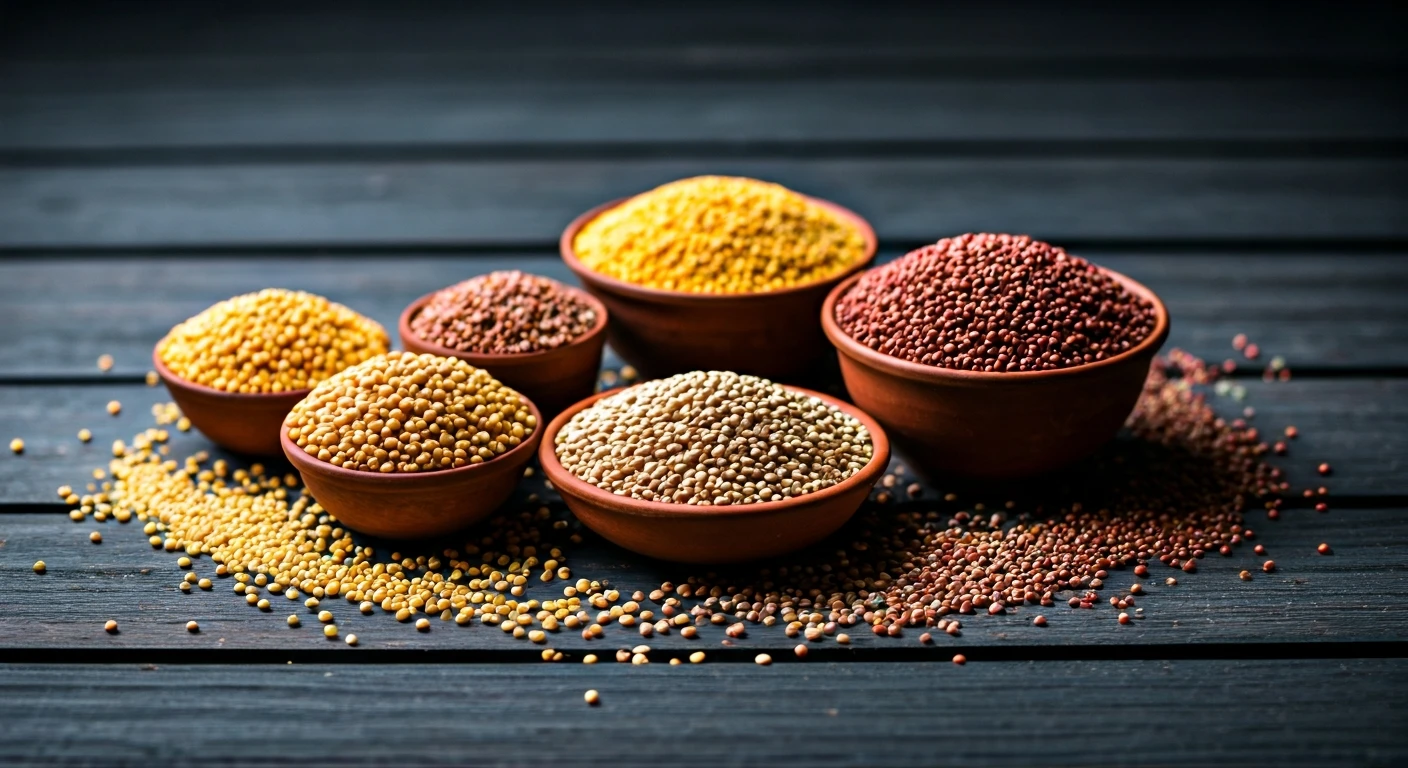
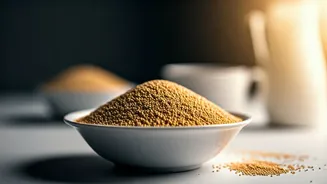
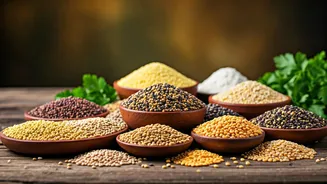
For centuries, millets like jowar, bajra, and ragi were staples in Indian households before polished white rice took over our plates. Today, there's a growing movement to bring these nutritional powerhouses back to the mainstream. Compared to white rice,
which is primarily simple carbohydrates, millets offer a superior profile. They are packed with more dietary fibre, which aids digestion and keeps you feeling full longer. They are also richer in protein and essential minerals like iron, magnesium, and phosphorus. Furthermore, most millets have a lower glycaemic index, meaning they release sugar into the bloodstream more slowly, preventing energy spikes and crashes. This makes them an excellent choice for managing blood sugar levels and supporting overall wellness.
1. The Simple Steamed Swap
The easiest way to start is by replacing plain steamed rice with a millet counterpart. Foxtail millet (kangni/thinai), barnyard millet (samak), and little millet (kutki/samai) are fantastic choices as they cook up light and fluffy, closely mimicking the texture of rice. The process is simple: wash one cup of millet thoroughly, then soak it for at least 30 minutes to an hour; some experts recommend up to six hours to reduce anti-nutrients. Drain the water. To cook, you can use a 1:2 ratio of millet to water in an open pot or a 1:1 ratio if you are steaming it in a pressure cooker without the whistle. The cooked millet can be served with your favourite dal, sambar, or curry, just like you would with rice. It has a slightly nutty flavour that beautifully complements Indian curries.
2. Master the Millet Pulao or Biryani
Your favourite one-pot meals can get a serious health boost with millets. Kodo millet (kodra) and foxtail millet work wonderfully in pulao and biryani. Their grains tend to remain separate when cooked, giving you that desirable texture. To make a delicious millet pulao, start by soaking the millet. In a pan, heat some ghee or oil and temper your whole spices like cumin seeds, cloves, and cinnamon. Sauté onions, ginger-garlic paste, and your choice of vegetables before adding the drained millet. Toast the millet for a minute to enhance its nutty flavour, then add water (usually a 1:2 ratio of millet to water, but check package instructions), salt, and cook until the liquid is absorbed and the grains are tender. The result is a fragrant, flavourful, and incredibly satisfying meal.
3. Create Creamy Comfort Dishes
If you love comforting dishes like curd rice (thayir sadam) or khichdi, millets are a perfect fit. Little millet (samai) is particularly well-suited for these preparations because it becomes soft and slightly mushy when cooked, creating a creamy consistency. For a millet curd rice, cook the little millet until very soft, then let it cool. Mash it slightly before mixing in fresh curd, milk (to prevent it from getting too sour), salt, and a tempering of mustard seeds, urad dal, and curry leaves. For a wholesome millet khichdi, pressure cook little millet with moong dal, turmeric, and vegetables for a quick and digestible meal that is both light and nourishing.
4. Reinvent Classic Tiffin Items
Millets can seamlessly be incorporated into a variety of traditional breakfast or 'tiffin' dishes. You can make a tangy and flavourful lemon 'rice' using cooked foxtail or kodo millet instead of leftover white rice. The process is identical: prepare a tempering of mustard seeds, dals, peanuts, and curry leaves, and mix it into the cooked millet with a generous squeeze of lemon juice. Similarly, you can prepare upma or pongal using millet rava or whole millets. Many health food brands now offer millet-based idli and dosa batters, or you can make your own by blending soaked millets with urad dal, offering a nutrient-dense start to your day.
5. Build Better Salads and Grain Bowls
Cooked and cooled millets provide a wonderful, gluten-free base for modern salads and grain bowls. Their chewy texture and nutty taste add substance and make any salad more filling and nutritionally balanced. Any type of millet works well, but pearl millet (bajra) and sorghum (jowar) add a particularly hearty bite. Simply cook the millet, let it cool completely, and then fluff it with a fork. Toss the cooled millet with chopped vegetables like cucumber and tomatoes, fresh herbs like coriander or mint, and a light vinaigrette. You can also add chickpeas, paneer, or seeds for extra protein, creating a complete and balanced meal in a bowl.