



A Market Reshaped by New Wealth
The primary engine behind the luxury real estate boom is a significant expansion of wealth in India. The country is seeing a rapid increase in the number of High-Net-Worth Individuals (HNIs) and Ultra-High-Net-Worth Individuals (UHNIs). Projections indicate
that India's UHNI population is expected to grow by nearly 50% between 2023 and 2028. This growing class of affluent buyers, including startup founders, senior corporate executives, and established professionals, has substantial disposable income. For them, luxury real estate is increasingly viewed as a stable asset for wealth preservation and long-term capital appreciation, especially when compared to more volatile equity markets. This has led to a surge in demand for properties priced above ₹1 crore, with this segment's share of total sales growing significantly.
The Post-Pandemic Redefinition of 'Home'
The COVID-19 pandemic fundamentally altered what buyers expect from a home. The focus has shifted from mere opulence to a more holistic and intentional living experience. With the rise of hybrid and remote work, there is a strong demand for larger homes with versatile spaces that can accommodate home offices, gyms, and areas for leisure. Wellness has become a core expectation, not just a brochure talking point. Buyers are now seeking projects with thoughtful design that includes better natural light and ventilation, alongside amenities like jogging tracks, yoga decks, and meditation zones. Privacy, security, and a sense of community within exclusive, low-density developments are now prized more than ever.
NRI Investment and Global Aspirations
Non-Resident Indians (NRIs) are playing a crucial role in fuelling this growth. For many NRIs, particularly those in the Gulf, Europe, and North America, investing in Indian real estate is both a financial and emotional decision. A favourable currency exchange rate often makes high-end properties in India seem more affordable compared to global markets. Furthermore, geopolitical uncertainties in other parts of the world are prompting NRIs to view India as a stable, long-term investment destination for their capital. Having experienced global living standards, these buyers bring international expectations, demanding world-class amenities, branded residences, and hotel-style concierge services, pushing developers to elevate their offerings.
Developers Rise to the Occasion
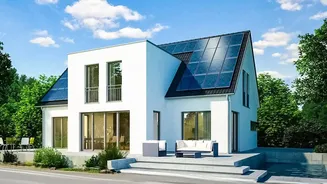
Real estate developers have been quick to respond to this surging demand. There is a clear trend of new project launches being concentrated in the premium and luxury segments. Developers are betting on luxury because higher-value homes can drive sales value even if overall unit sales are moderate. The definition of luxury is being upgraded to include smart home technology, sustainability features, and ESG (Environmental, Social, and Governance) credentials. Features like EV charging stations, water conservation systems, and green building certifications are becoming standard as buyers become more environmentally conscious. This focus on quality and experience-led living helps command a premium and attracts the discerning, modern buyer.
Beyond the Metros
While Mumbai, Delhi-NCR, and Bengaluru continue to dominate luxury sales, the trend is no longer confined to these megacities. Aspirational demand is spilling over into Tier-II cities like Pune, Hyderabad, Chennai, and even Jaipur and Lucknow. As these cities develop stronger economic ecosystems and better infrastructure, local wealth is created, leading to a new cycle of demand for premium housing. This geographic expansion indicates a broader, more distributed pattern of wealth and aspiration across the country, suggesting that the luxury housing story is becoming a truly national phenomenon.