


The Invisible Threat of Deep Space
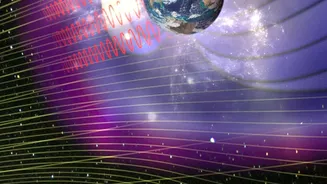
Space is not empty. Beyond the protective bubble of Earth’s magnetic field, it is filled with a constant shower of high-energy particles known as cosmic radiation. This radiation comes from two main sources: solar particle events (SPEs), which are intense
bursts from our own Sun, and galactic cosmic rays (GCRs), which are remnants of distant supernova explosions. Unlike the radiation we might encounter on Earth, like from an X-ray machine, GCRs are composed of heavy, fast-moving atomic nuclei that can tear through spacecraft hulls and human tissue. The health risks for astronauts are significant, including an increased lifetime risk of cancer, potential damage to the central nervous system, and degenerative diseases affecting the heart and brain. This constant, invisible bombardment is considered one of the single greatest challenges for long-duration human spaceflight.
How We Currently Test for Trouble
For decades, protecting astronauts has meant finding materials that can shield them without adding too much weight to a spacecraft. Traditionally, testing these materials has been a slow and expensive process. Scientists use powerful particle accelerators on the ground, like the NASA Space Radiation Laboratory (NSRL) at Brookhaven National Laboratory, to try and replicate the harsh radiation environment of deep space. In these facilities, materials like advanced plastics, water, and even simulated moon dust are blasted with beams of ions to see how they hold up. Other tests involve sending materials to the International Space Station (ISS) for real-world exposure. The problem is that these ground-based simulators can't perfectly mimic the full, chaotic spectrum of GCRs, and sending experiments into orbit is both costly and time-consuming. This has created a bottleneck in developing the next generation of protection.
A Breakthrough in Measurement
This is where the new development from the University of California, San Diego, comes in. The team has pioneered a novel method that refines how we measure and calibrate for cosmic radiation itself. While the technical details are complex, involving the polarization of the universe's oldest light, the practical impact is straightforward: it provides a far more precise baseline. Think of it like tuning an instrument. Before, scientists were trying to measure the effectiveness of shielding materials with a tool that was slightly out of tune. The UC San Diego method allows them to perfectly calibrate their instruments against a known cosmic signal. This enhanced precision removes uncertainties that have long plagued ground-based testing, making simulations and lab experiments a much more accurate reflection of what astronauts will actually face millions of miles from home. It's a foundational leap that could validate and speed up the entire testing process.
From Better Tests to Better Shields
A more accurate testing method directly accelerates the path to better shielding. With a reliable way to gauge effectiveness on Earth, researchers can more rapidly innovate and iterate on new materials. The leading candidates for shielding are hydrogen-rich materials, such as specialized plastics like polyethylene, because the light nuclei of hydrogen are very effective at breaking up and absorbing energetic particles without creating a shower of secondary radiation, which can sometimes be even more dangerous. With the new UC San Diego technique providing a better benchmark, engineers can more confidently compare the performance of these plastics against new composites and other exotic materials. This will be crucial for designing habitats for the Moon and Mars, as well as developing lighter, more effective spacesuits for extravehicular activities. It shortens the timeline from a promising idea in a lab to a flight-ready component.
Securing Our Future in Space
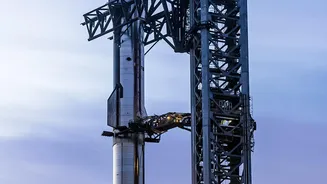
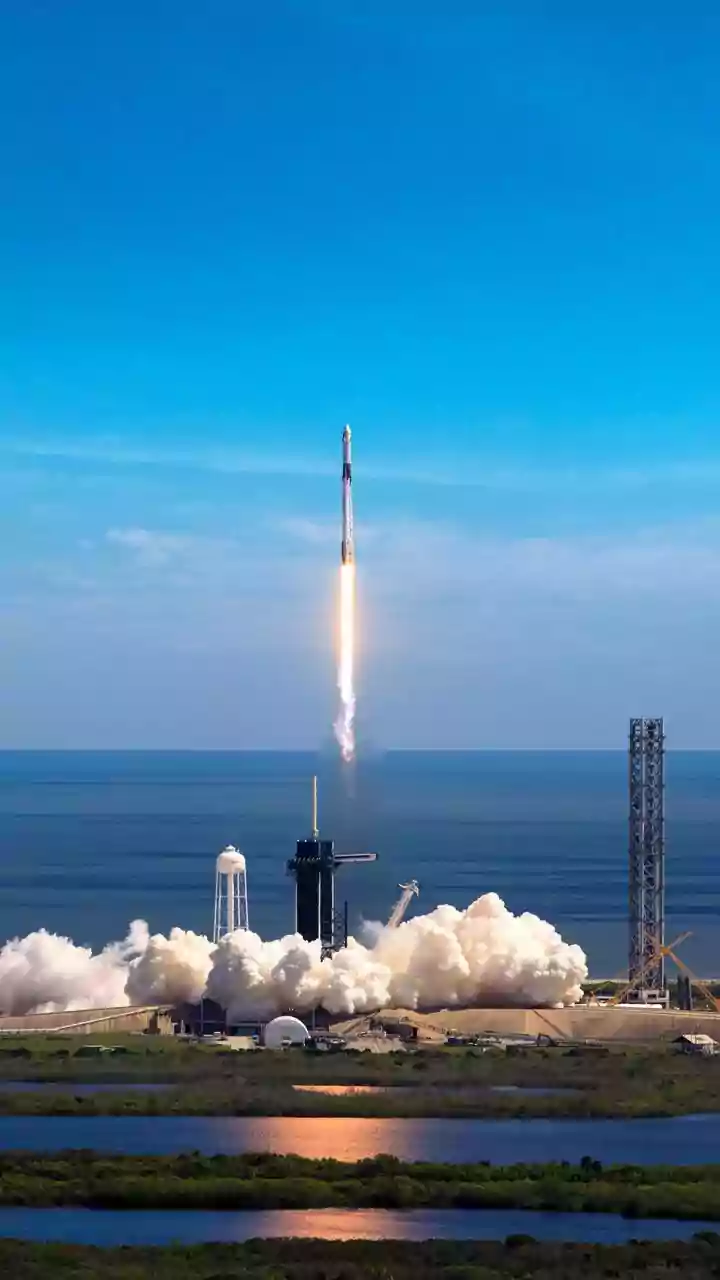
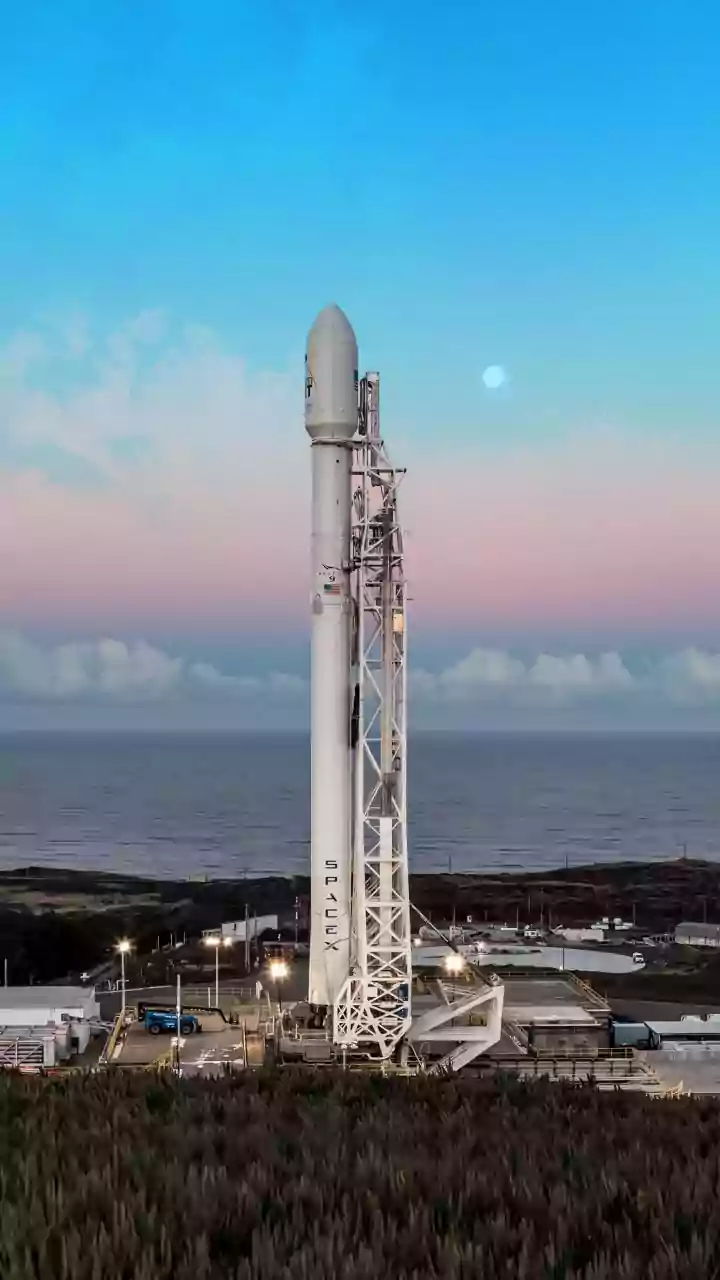
The implications of this breakthrough extend far beyond the next NASA mission. As companies like SpaceX, Blue Origin, and others push the boundaries of commercial spaceflight, ensuring passenger and crew safety becomes a major business imperative. Furthermore, our global economy relies on a massive infrastructure of satellites for everything from GPS navigation to financial transactions, all of which are vulnerable to radiation damage. More efficient radiation testing allows for the creation of more 'hardened' and durable electronics, safeguarding the vital services they provide. Ultimately, the work being done at UC San Diego is a critical enabling technology. It addresses a fundamental challenge, making the dream of sustained human presence in space not just possible, but safer and more achievable than ever before.