

A Cosmic Firework Display
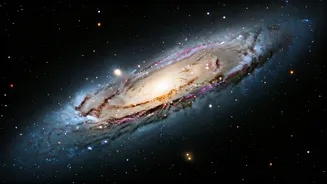
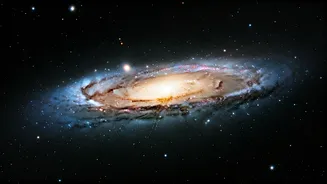
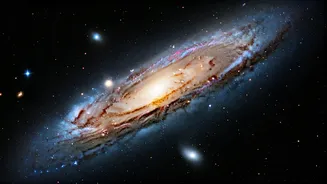
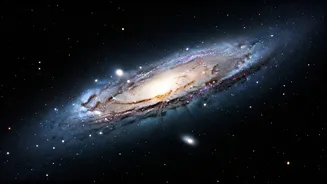
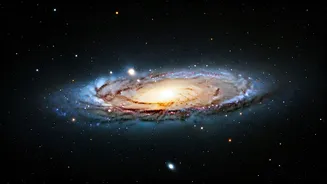
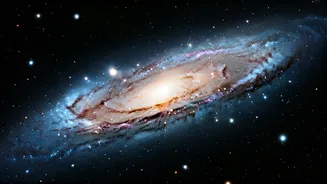
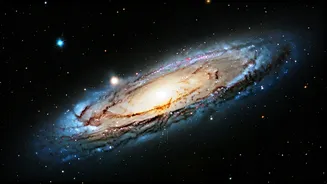
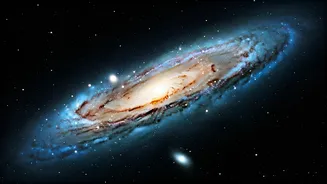
Messier 82, more commonly known as the Cigar Galaxy, is not your average spiral galaxy. Located in the constellation Ursa Major, it is what astronomers call a 'starburst' galaxy. This means it is creating new stars at a rate about 10 times faster than
our own Milky Way. This frantic pace of star formation is believed to have been triggered by a close gravitational encounter with its larger neighbour, M81. This cosmic dance sent vast amounts of gas pouring into M82's core, providing the raw fuel for a spectacular, but temporary, burst of creation that is expected to last a few hundred million years in total. Its relative proximity and unique nature make it a perfect laboratory for studying how intense star birth shapes a galaxy.
Webb’s Unprecedented New View
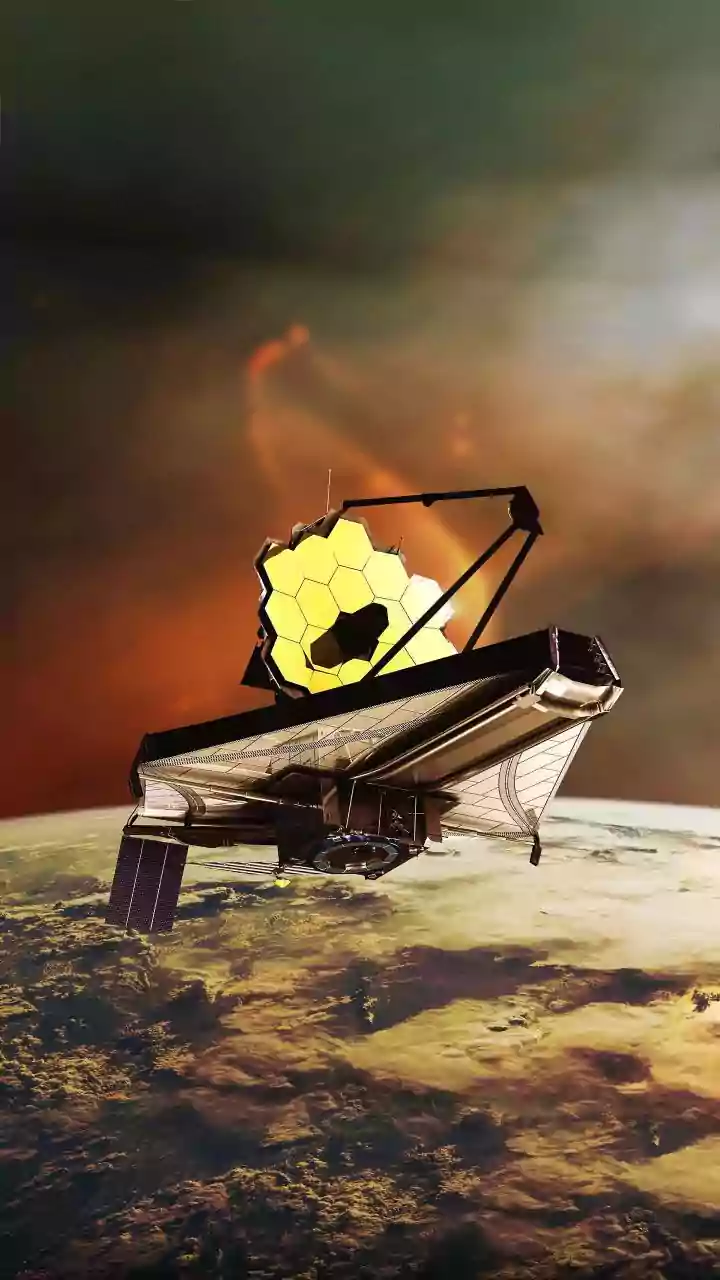
While telescopes like Hubble have studied M82 before, the galaxy's dense clouds of dust have always obscured a full view of its core. This is where the James Webb Space Telescope (JWST) changes the game. Using its powerful Near-Infrared Camera (NIRCam), which can peer through obscuring dust, astronomers recently completed a 65-hour observation survey. The result is the most detailed view of the starburst galaxy to date, resolving an incredible 16.5 million individual stars. These newly visible stars, seen as tiny blue-white specks in the images, provide a wealth of information about the galaxy's history and structure that was previously hidden. It allows scientists to analyse the galaxy not just as a whole, but star by star.
Unpacking the Galactic Wind
One of the most dramatic features of the Cigar Galaxy is its powerful 'superwind'. The intense energy from countless young, massive stars and subsequent supernova explosions creates a colossal outflow of gas and material, blasting away from the galaxy's center. In the new JWST images, this outflow is rendered in stunning detail. The reddish-orange filaments stretching above and below the galactic plane trace clouds of complex molecules known as polycyclic aromatic hydrocarbons (PAHs). These are essentially tiny grains of soot, crucial for understanding the chemistry of the space between stars. By tracing these PAH emissions, Webb allows scientists to see the very structure of the galactic wind, revealing how star formation can eject the raw materials for future stars out into intergalactic space.
Science for Everyone
The headline's promise of more accessible science is delivered in two ways. First, the clarity of the JWST images makes the complex processes within M82 easier for the public to visualise and understand. Instead of an obscure, dusty smudge, we can now see a dynamic system of stars and gas. Secondly, the release of this data to the global astronomical community exemplifies the collaborative nature of modern space exploration. Researchers and even citizen scientists from around the world can now download and analyse these high-resolution images. This open-data approach accelerates discovery, as more eyes can search for new patterns and ask more complex questions. By combining Webb's infrared data with archival visible-light data from Hubble, scientists can create a more complete picture of this intricate cosmic ecosystem, unlocking secrets that no single telescope could reveal on its own.