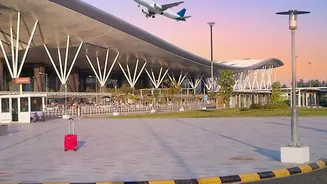








Understanding the 100-Airport Vision
The plan to build 100 new airports by 2036 is the cornerstone of the government's Modified UDAN (Ude Desh ka Aam Nagrik) scheme. This initiative, approved in March 2026 for the ten-year period from 2026-27 to 2035-36, comes with an outlay of approximately
₹30,000 crore. The number of operational airports in India has already grown significantly, from 74 in 2014 to 166 as of September 2026. This new phase isn't just about adding more tarmacs; it's a strategic push to take air travel beyond the metros and into the heart of the country.
Connecting Bharat's Tier-2 and Tier-3 Cities
The primary objective of this expansion is to enhance regional connectivity. Demand for air travel is no longer confined to major hubs like Delhi and Mumbai. A growing chorus for airports is rising from Tier-2 and Tier-3 cities, Himalayan regions, remote areas, and islands. For many in these areas, reaching the nearest major airport involves a long journey by road or rail. The UDAN scheme aims to bridge this gap by developing infrastructure in underserved and unserved locations, making it easier for ordinary citizens to access flights. The goal is to connect places that were previously left off the national aviation map.
The Economic Ripple Effect
More airports mean more than just passenger convenience; they act as economic engines. Enhanced air access makes smaller cities more attractive for business investment, conferences, and talent migration. Sectors like tourism, hospitality, logistics, and local manufacturing receive a significant boost. The development of an airport often triggers a boom in the surrounding real estate market, including commercial hubs, housing projects, and warehousing facilities. This ripple effect helps generate employment and stimulates broad-based economic growth in the region, creating new corridors of opportunity.
Challenges on the Runway
While the vision is ambitious, the path has its share of turbulence. One of the biggest challenges is not just building airports but ensuring they are effectively connected and commercially viable. Airlines often face profitability challenges on regional routes where demand may take time to mature. Other hurdles include complex regulatory approvals, high capital expenditure, and ensuring that surrounding infrastructure like roads is adequate to support airport operations. The success of the scheme will depend on creating a sustainable ecosystem where airlines can operate profitably while serving smaller markets.
A Future as a Global Aviation Hub
The 100-airport plan is part of a larger strategy to position India as a global aviation hub. This involves not just expanding the domestic network but also improving international connections. The government is promoting a 'hub-and-spoke' model, where passengers from smaller cities can transit through major Indian airports like Delhi and Ahmedabad for their international journeys. By integrating regional airports into this larger network, India aims to consolidate passenger traffic and offer seamless connectivity to global destinations, reducing the reliance on foreign airports for transit.