






What's Driving the Price Spike?
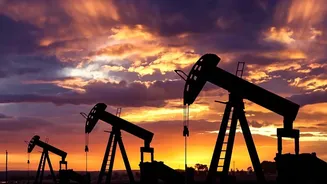
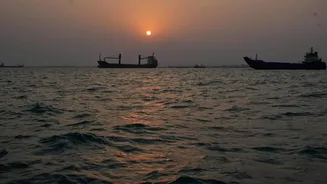
On Tuesday, Brent crude, a key global benchmark for oil, held firm above $97 per barrel, a six-week high. The primary driver for this surge is escalating geopolitical tension in the Middle East. Recent conflicts involving Iran and the U.S. near the Strait
of Hormuz, a critical channel for global oil shipments, have markets on edge. Concerns over potential supply disruptions have caused prices to climb, with some analysts expecting the volatility to continue as long as the conflict persists. These events add a "risk premium" to the price of oil, as traders anticipate a tighter supply in the near future.
From Oil Fields to Your Flight Itinerary
The most immediate and significant impact on travellers is on airfare. Jet fuel is one of the largest operating expenses for airlines, second only to labour. When the price of crude oil rises, the cost of refining it into jet fuel follows suit. For many airlines, fuel can account for 30-45% of a ticket's price, especially on long-haul flights. Airlines often pass these increased costs directly to consumers through higher base fares or by adding fuel surcharges. Some airline executives have warned that sustained high fuel prices could lead to significant fare hikes to offset billions in additional operating costs. While some carriers use a strategy called "hedging"—purchasing fuel in advance at a set price—to protect against short-term spikes, these measures can't hold off fare increases indefinitely if high prices persist.
The Ripple Effect Beyond Air Travel
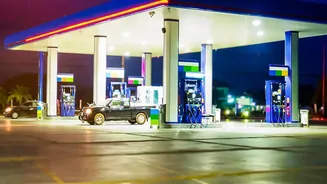
The impact of expensive oil doesn't stop with flights. If you're planning a road trip, you're already feeling the pinch at the pump, with national average gas prices reaching record highs for this time of year. But other forms of travel are also affected. Cruise lines, which consume enormous amounts of fuel, will likely pass on their higher costs to passengers. Rental car companies face a double whammy: their own operational costs for vehicle fleets rise, and the high price you pay to refuel the car makes that part of your trip more expensive. Even tour operators who rely on buses and vans for excursions will feel the pressure, which could translate to higher tour prices.
How to Protect Your Travel Budget
While you can't control global oil prices, you can make strategic decisions to lessen the blow to your wallet. Experts advise booking flights as soon as your plans are firm. Since airlines often price tickets based on fuel costs purchased months in advance, booking early may help you lock in a lower fare before the full impact of the recent spike is passed on to consumers. Being flexible with your travel dates and destinations is another key strategy. Flying on Tuesdays, Wednesdays, and Saturdays is often cheaper. Using tools like Google Flights to set price alerts can help you grab a deal if fares temporarily drop. Finally, consider using travel rewards or points, as the redemption value can sometimes be better than paying a high cash price.