






Why Cats Are Drawn to Plants
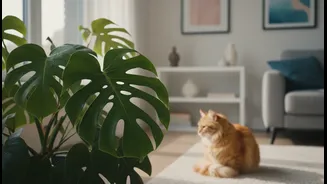
It’s not just to spite you. A cat’s attraction to houseplants is deeply instinctual. For many cats, the rustling leaves and swaying stems trigger their natural prey drive, making a dangling plant an irresistible toy. Others are drawn to the texture of
leaves for a good chew. This behavior can also be a quest for fiber to aid digestion or an attempt to bring up hairballs. Sometimes, it’s simple curiosity or boredom. A 2021 study noted that plant-eating is a very common behavior in domestic cats, with younger felines often being the most frequent explorers. This instinctual nibbling, however, becomes dangerous when the plant is toxic.
The Feline Super-Athlete
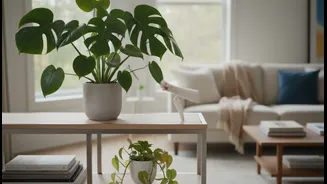
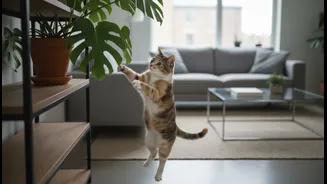
That “secure” shelf probably isn’t as secure as you think. A healthy adult cat can leap vertically up to eight or nine feet from a standing position. Their powerful hind legs and flexible spine allow them to reach high countertops, bookshelves, and window sills with astonishing ease. They are also expert climbers, using their claws to scale surfaces and pull themselves up. A six-foot-tall fence is often no match for a determined cat. This means that simply placing a plant on a high surface is rarely a complete solution. Unless the location is completely inaccessible, a curious cat will often view it as a challenge rather than a barrier.
First Line of Defence: Deterrents
Making your plants less appealing is a crucial step. Cats have sensitive noses and typically dislike the smell of citrus. Placing lemon or orange peels on the soil or spritzing leaves with diluted lemon juice can be an effective, natural deterrent. Many cats also dislike certain textures. Covering the soil with decorative rocks, pebbles, or even pinecones can stop them from digging or using the pot as a litter box. Some owners find success by placing double-sided tape or aluminum foil around the base of the pot; cats often dislike the sticky or crinkly sensation under their paws.
Rethink Your Plant Placement
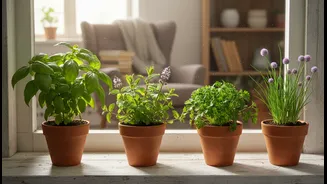
Since cats are such skilled jumpers and climbers, strategic placement is key. Hanging planters can work, but they must be high enough and far enough from any launch points like furniture or cat trees. A dedicated plant room that the cat cannot access is an ideal, though not always practical, solution. Grouping plants together can sometimes make them less tempting than a single, isolated target. For larger floor plants, using tall, heavy planters can make it more difficult for a cat to access the soil and leaves. In some cases, the best defence is a physical barrier, such as a stylish indoor greenhouse or a terrarium for smaller plants.
Provide Safe and Fun Alternatives
Often, a cat’s plant-destroying habit is a sign of boredom. Redirecting this energy is one of the most effective long-term solutions. Providing a pot of cat-safe grass, such as wheat or oat grass, can satisfy their need to chew on something green. These are readily available and easy to grow, giving your cat a designated and safe plant to enjoy. Increasing interactive playtime can also help burn off the excess energy that might otherwise be directed at your monstera. A tired cat is less likely to be a destructive cat.
Choose Your Greenery Wisely
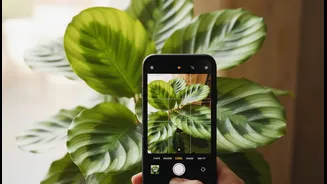
The simplest way to have a harmonious home with cats and plants is to choose non-toxic varieties. Many popular houseplants are dangerous to felines, including lilies, pothos, snake plants, jade plants, and philodendrons. Lilies are particularly dangerous, as even small amounts of pollen can cause kidney failure. Fortunately, there are many beautiful and safe options perfect for Indian homes. Consider an Areca Palm, Spider Plant, Boston Fern, or Calathea (Prayer Plant). Succulents like Haworthia and palms like the Ponytail Palm are also excellent, pet-friendly choices. By curating a collection of cat-safe plants, you can enjoy indoor greenery without the constant worry.