



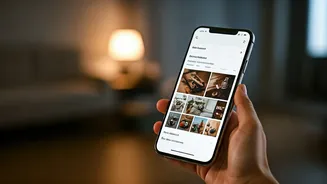



The Search Bar's Declining Influence
The era of Google's total dominance in product discovery is facing a challenge from a generation that has never known a world without the internet. For Gen Z, born between the mid-1990s and early 2010s, the consumer journey no longer begins with a traditional
search query. Instead, it’s a fluid, multi-platform experience. Data shows a significant shift: a large percentage of Gen Z now prefers using social media platforms for answers and ideas, with some studies indicating that over half choose TikTok over Google as their primary search engine. It’s not that they don’t use search engines at all, but for discovery—finding the best new restaurant, an honest skincare review, or style inspiration—they are increasingly turning elsewhere. This change is rooted in a fundamental difference in how they consume information: they prefer watching a 30-second video to scanning a 500-word article.
The New Hubs: TikTok, Instagram, and YouTube
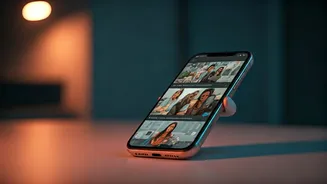
So, where are they going? The answer is overwhelmingly visual and social. Platforms like TikTok, Instagram, and YouTube have evolved from simple entertainment apps into powerful discovery engines. Nearly half of Gen Z consumers now discover new brands on social media daily. Unlike a traditional search that provides websites, a TikTok search delivers videos of real people. A user looking for “how to style a blazer” will see dozens of videos of creators trying on different looks in real-time, offering immediate, relatable context that a blog post with stock photos cannot match. This shift is so profound that TikTok has adapted its platform to enhance search compatibility, understanding it has become a major competitor in the search world. The content they seek is often opinion-based, such as product reviews, local business recommendations, and how-to tutorials.
Authenticity Is the New Algorithm
This behavioural shift is driven by a deep craving for authenticity. Gen Z has a finely tuned radar for anything that feels overly promotional or inauthentic. They have grown weary of search results dominated by paid placements and SEO-optimized content. Instead, they place immense trust in peer recommendations and user-generated content. This generation doesn't just want to be sold to; they want to feel part of a conversation and a community. Brands are learning that building trust requires transparency, showing behind-the-scenes moments, and even admitting mistakes. This has given rise to the power of micro-influencers—creators with smaller, more engaged communities who are seen as more relatable and trustworthy than mainstream celebrities. For brands, this means a successful strategy is less about ad budgets and more about fostering genuine connections and creating content people actually want to search for.
The Indian Context: A Mobile-First Revolution
In India, home to over 100 million Gen Z consumers, this global trend is amplified by a mobile-first digital landscape. This generation of Indian shoppers, who are tech-native and purpose-driven, are redefining the retail ecosystem. They are increasingly using platforms like Instagram and Snapchat for shopping, driving a boom in what is known as social commerce. This involves the entire shopping experience being embedded directly within a social media platform, meeting Gen Z's demand for convenience and immediacy. There’s also a unique trend of reclaiming tradition; young Indian consumers are seeking out products with clean, transparent, and culturally rooted ingredients, often discovering them through local creators and rejecting the uniformity of some multinational brands. For businesses in India, reaching this demographic means being present and authentic in these digital communities, from creating engaging short-form video content to leveraging the power of local influencers.