





The Foundation: Root Vegetables
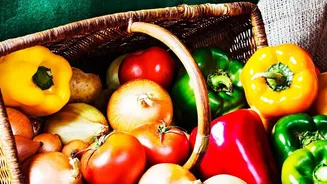
Hardy root vegetables like potatoes, onions, carrots, and beets form the base of many Indian meals. When choosing them, look for firmness and an absence of soft spots. Potatoes should be firm with no green patches, which indicate light exposure and can
taste bitter. Onions and garlic should be heavy for their size, with dry, papery skins. Avoid any that show signs of sprouting. For carrots and beets, if the leafy tops are still attached, they should look fresh and vibrant, not wilted. Once home, storage is key. Potatoes, onions, and garlic thrive in a cool, dark, and dry place with good air circulation—not the refrigerator. Keep potatoes and onions separate, as onions release gases that can cause potatoes to sprout faster. Carrots, however, do best in the crisper drawer of your fridge after their green tops have been trimmed to prevent moisture loss.
Handle with Care: Leafy Greens
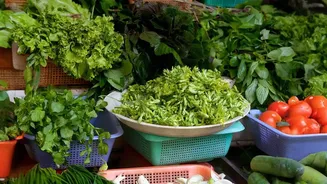
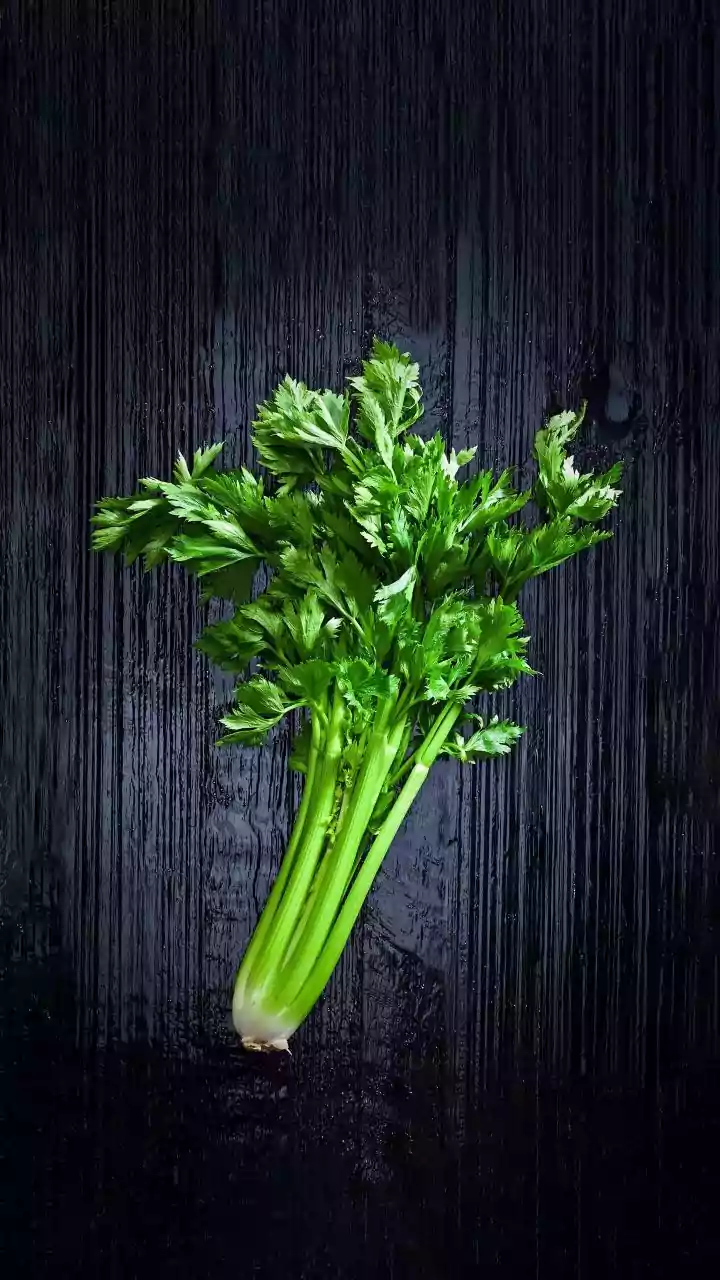
Leafy greens like spinach, coriander, and methi are delicate and require careful selection. Always look for bright, vibrant, and crisp leaves. Avoid anything that looks wilted, yellowed, or has brown spots. The stems should appear freshly cut and moist. At home, moisture is the enemy of leafy greens. While it's tempting to wash them right away, it is better to store them unwashed until you're ready to use them. To maximise freshness, wrap the unwashed greens in a dry paper towel to absorb any excess moisture, then place them inside a plastic bag or an airtight container in the refrigerator's crisper drawer. For herbs like coriander, you can also treat them like a bouquet of flowers: trim the stems and place them upright in a glass with a small amount of water, covering the top with a plastic bag.
Summer Staples: Fruiting Vegetables and Gourds
This category includes kitchen regulars like tomatoes, brinjal (eggplant), bhindi (okra), and various gourds (lauki, turai). When selecting tomatoes, they should feel heavy for their size and have a sweet, earthy smell near the stem. Store them at room temperature, not in the fridge, as cold temperatures can make them mealy and dull their flavour. For brinjals, cucumbers, and gourds, look for firm, smooth, and unwrinkled skin. They should feel sturdy and free of soft or mushy spots. Lighter, hollow-feeling gourds are often older and have lost moisture. Bhindi should be small and snap easily. Proper storage for most of these items is the refrigerator, but use them within a few days for the best texture and taste.
Cruciferous Champions: Cabbage, Cauliflower & Broccoli
Cabbage, cauliflower, and broccoli are known for their dense texture and health benefits. When choosing them, weight is a good indicator of freshness; they should feel heavy for their size. Look for heads with tightly packed florets or leaves, which shows they are dense and haven't lost moisture. The colour should be uniform and vibrant, whether it's the green of a broccoli or the creamy white of a cauliflower. Avoid any heads with yellowing patches or dark spots. A strong sulfuric smell can also be a sign of age. These vegetables store well in the refrigerator. Keep them in the crisper drawer, preferably in a perforated or open plastic bag to allow for some air circulation while retaining humidity.