









Decoding the Marketing Hype
The first step in becoming a discerning consumer is learning to separate marketing fluff from factual claims. Advertisements are designed to be persuasive, often using emotionally charged words like ‘revolutionary’, ‘best-ever’, or ‘magical’. These are subjective
and can’t be proven or disproven. Focus instead on objective promises. Does a battery claim to last for 48 hours? Does a detergent promise to remove a specific type of stain? These are testable claims. Be wary of promises that sound too good to be true, such as instant results or 100% guarantees for complex problems. The advertising industry in India is watched by the Advertising Standards Council of India (ASCI), a self-regulatory body that works to ensure ads are legal, decent, and truthful. If you see an ad that seems blatantly false, you can file a complaint with ASCI.
Your First Line of Defence: The Label
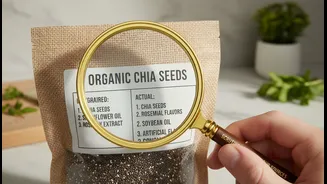
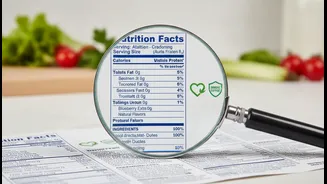
The product packaging itself is a crucial source of information. In India, several mandatory certification marks help verify quality and safety. For food products, the FSSAI logo is a must, ensuring the item meets the standards of the Food Safety and Standards Authority of India. For many industrial and consumer electronic products, the ISI mark from the Bureau of Indian Standards (BIS) certifies quality and safety. Similarly, agricultural products may have an Agmark, and jewellery will have a BIS Hallmark for purity. Beyond logos, scrutinise the manufacturing and expiry dates, the full ingredient list, and the manufacturer's address. Vague or missing information is a major red flag, especially when buying products like cosmetics or health supplements.
Digital Diligence and Online Reviews
In the age of e-commerce, the battleground for truth has moved online. Before purchasing, conduct your own digital due diligence. Search for independent reviews on multiple platforms, not just the seller's website. Be cautious of reviews that are overly generic, use poor grammar, or have a burst of similar-sounding positive comments in a short period—these can be signs of fake reviews. Look for reviewers with a long history of balanced feedback. Some platforms even offer a ‘verified purchase’ tag, which adds a layer of authenticity. You can also use apps like the government-supported 'Smart Consumer' app, which allows you to scan a product's barcode to verify its details, including MRP and manufacturer information. If the scan shows no data, it could indicate a non-genuine product.
Putting It to a Simple Home Test
Once you've bought a product, you can often perform simple, non-destructive tests to see if it lives up to its core promise. If you've bought a ‘quick-charge’ power bank, time how long it takes to charge your phone compared to a standard charger. For a new ‘stain-resistant’ shirt, test a small, hidden area with a common substance like water to see if it beads off as claimed. For food products, checking the texture, colour, and fragrance against what you know to be authentic can often reveal a counterfeit. While you can’t replicate a full lab test at home, these simple checks can often provide a quick verdict on whether the basic promise has been met. Documenting your findings with photos or videos can be helpful if you need to file a complaint later.
When Promises are Broken: Know Your Rights
If a product fails to deliver on a verifiable promise, you have recourse. The Consumer Protection Act, 2019, provides a strong legal framework to protect consumers against unfair trade practices and misleading advertisements. This act established the Central Consumer Protection Authority (CCPA), which has the power to investigate, recall unsafe goods, and impose penalties. Your first step should be to contact the seller or manufacturer. If that doesn't work, you can file a formal complaint. This can be done through the National Consumer Helpline or by approaching a Consumer Disputes Redressal Commission (often called a 'consumer court'). The law ensures you have the right to be informed, the right to choose, and the right to seek redressal.