






What Exactly Is Zone 2 Cardio?
Forget the 'no pain, no gain' mentality. Zone 2 cardio is all about low-intensity, steady-state exercise. It’s defined as working at 60-70% of your maximum heart rate. Think of it as a 'conversational pace.' You should be able to hold a full conversation without
gasping for breath. If you can easily chat, but someone on the phone would notice you're exercising, you're likely in the right zone. This type of exercise feels comfortable and sustainable, something you could do for an extended period without feeling like you're pushing your limits. It’s the opposite of a breathless, high-intensity interval session.
The Perfect Antidote for Desk Life
Spending hours sitting at a desk can lead to poor metabolic health, fatigue, and a higher risk of chronic conditions. Zone 2 cardio is uniquely suited to combat these issues. Because it's a lower intensity, it places less strain on your joints, muscles, and ligaments, reducing the risk of injury—a major plus if you're going from sedentary to active. It helps your body become more efficient at using fat for fuel instead of carbohydrates, which is a key adaptation for managing weight and improving metabolic health. Over time, this builds your aerobic base, making everyday activities feel easier and boosting your overall endurance.
The Science Made Simple: Rebooting Your Cellular Engines
The magic of Zone 2 happens at a cellular level, specifically with your mitochondria. Think of mitochondria as the tiny power plants inside your cells that produce energy. A sedentary lifestyle can make these power plants sluggish and inefficient. Zone 2 training is one of the best ways to improve mitochondrial function and even increase their numbers. This process, known as mitochondrial biogenesis, means your body gets better at producing energy, fighting fatigue, and clearing out metabolic waste. Stronger, more efficient mitochondria are linked to better metabolic health, longevity, and a reduced risk of age-related diseases.
How to Find Your Zone 2
You don’t need a fancy lab to find your Zone 2. The easiest and most reliable method is the 'talk test' we already mentioned: exercise at an intensity where you can speak in full sentences. For a more precise number, you can estimate your maximum heart rate by subtracting your age from 220, then calculating 60-70% of that figure. For example, a 40-year-old would have an estimated max heart rate of 180, putting their Zone 2 between 108 and 126 beats per minute. A heart rate monitor on a watch or chest strap can help you stay in this range during your workout.
Why Cycling Is an Ideal Choice
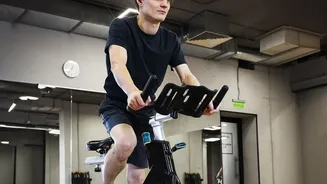
Any cardio can be done in Zone 2, but cycling is a fantastic option for desk workers. It's a low-impact activity, which means it's gentle on the knees, hips, and back—joints that are often already stressed from sitting. Whether on a stationary bike at home or riding outdoors, it’s easy to control your intensity to stay in that conversational pace. Cycling primarily uses the large muscles of the lower body, building strength and endurance there. Plus, riding at a steady, relaxed pace can be a great way to de-stress and improve your mental health after a long day at the office.
Making It a Sustainable Habit
The key to reaping the benefits of Zone 2 is consistency. Because it’s less taxing on the body, you can recover faster and do it more often than high-intensity workouts. Aim for three to four sessions per week, with each session lasting 30 to 60 minutes. Start with what feels manageable and gradually increase the duration as your fitness improves. You can listen to a podcast, an audiobook, or catch up on a show while on a stationary bike. The goal isn't to exhaust yourself, but to build a consistent habit that improves your health and energy over the long term. Changes in endurance and efficiency often become noticeable after 8 to 12 weeks of consistent training.