




The Allure of the Upgrade
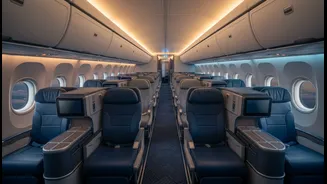
First introduced in the early 1990s, Premium Economy was designed to fill the growing gap between the shrinking space in coach and the plush expense of a lie-flat bed. For many, it’s the ideal compromise on long-haul flights. The typical pitch promises
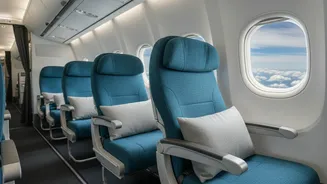
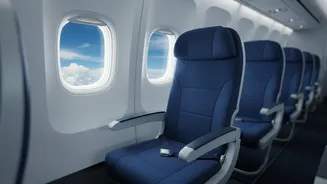
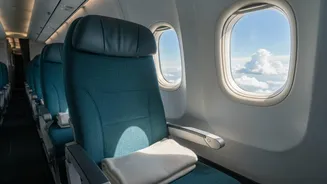
a wider seat, several extra inches of legroom, a deeper recline, and an elevated experience that often includes priority boarding, a better meal, and a larger entertainment screen. It’s an enticing offer for anyone who has endured a cramped overnight flight and thought, “I would pay a bit more for just a little more space.” And airlines have leaned into this, knowing that passengers are willing to pay for a tangible increase in comfort.
The Seat Lottery: Not All Cabins Are Equal
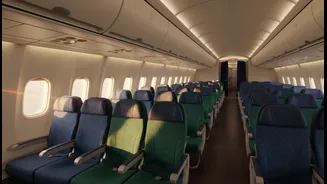
Here’s the crucial point many travellers miss: the term “Premium Economy” is not standardized across the industry. The biggest variable is the aircraft itself. An airline might offer a fantastic Premium Economy seat on its new Boeing 787 or Airbus A350, complete with modern shell-style seats, ample recline, and adjustable leg rests. However, on an older Boeing 777 within the same airline's fleet, the “premium” seat might be a disappointingly dated model with less recline, minimal legroom gain, and fewer amenities. This inconsistency is known as fleet fragmentation. Airlines operate a mix of new and old planes, and retrofitting an entire fleet with a consistent product is a slow and expensive process. For example, Vistara's Premium Economy offering on its wide-body Boeing 787 is different from what's found on its narrow-body Airbus A321neo.
Hard vs. Soft Product
In airline terminology, the physical seat and cabin environment are called the “hard product,” while the service elements like food, amenities, and crew attentiveness are the “soft product.” While an airline often strives for consistency in its soft product—the meal service or amenity kit may be the same regardless of the plane—the hard product is where the biggest differences lie. You might get the same upgraded meal, but the comfort level of the seat you’re eating it in can feel worlds apart. A few inches of seat pitch (the distance from your seat to the one in front) can be the difference between a restful journey and a frustrating one. A wider seat and more substantial armrests reduce the battle for elbow room, a small luxury that has a big impact on comfort.
How to Be a Savvy Traveller
So, how do you avoid disappointment and ensure you get the experience you’re paying for? The key is to do a little homework before you book. Most airline websites show the aircraft type scheduled for a particular flight, usually under a “flight details” link during the booking process. Once you know the aircraft (e.g., Boeing 787-9 or Airbus A350), you can use websites like SeatGuru or check reviews from travel bloggers who often provide detailed seat maps and cabin photos. These resources can reveal the specific layout, seat dimensions, and amenities you can expect. Be aware that airlines can and do swap aircraft at the last minute due to operational needs, but checking ahead of time still significantly boosts your chances of getting a good seat.