


The Allure of the Shoulder Season
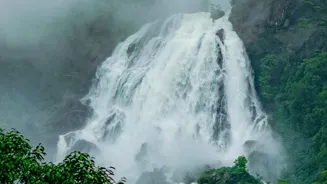
September is a month of transformation in the mountains. The heavy rains of July and August taper off, washing the hills in vibrant shades of green. Waterfalls are still in their full glory, and the air is crisp and clean. For travellers, this means enjoying
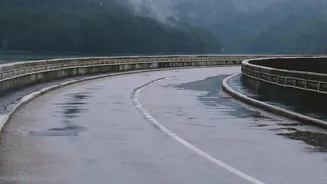
the post-monsoon beauty without the peak season crowds or prices. The weather is generally pleasant, with mild daytime temperatures perfect for sightseeing. However, the monsoon's retreat can be unpredictable; lingering showers and the risk of landslides, especially in the first half of the month, are real possibilities. This makes choosing your destination and planning your itinerary carefully more important than ever.
Northern Retreats: The Himalayan Foothills
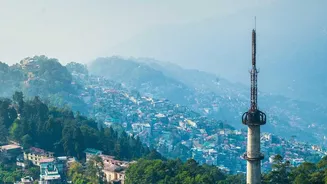
Hill stations in Himachal Pradesh and Uttarakhand enter a beautiful phase in September. Destinations like Shimla, Mussoorie, and Nainital are draped in fresh greenery. The apple harvesting season is in full swing around Shimla, offering a unique local experience. In Uttarakhand, lakes are full and the landscape is spectacular. While the weather becomes clearer as the month progresses, caution is advised. The roads, recovering from monsoon damage, can still be prone to disruption. Local experts suggest that mid-to-late September is often a safer bet for travel, as conditions tend to stabilise. Always check the latest weather advisories and road statuses before you travel.
Western Ghats: Mist and Magic
In Maharashtra and Karnataka, the Western Ghats are a paradise of mist and emerald landscapes in September. Hill stations like Lonavala, Mahabaleshwar, and Coorg are at their scenic best. The rains have rejuvenated the coffee plantations in Coorg and the strawberry fields of Mahabaleshwar, making for stunning vistas. While the heaviest showers are over, you can still expect light to moderate rainfall, which adds to the romantic, misty atmosphere. It’s an ideal time for those who enjoy driving through verdant hills and don't mind a bit of drizzle. National parks like Periyar and Eravikulam in the southern ghats also remain open, offering chances for wildlife sightings.
Southern Hills: Tea Gardens and Waterfalls
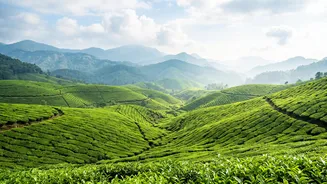
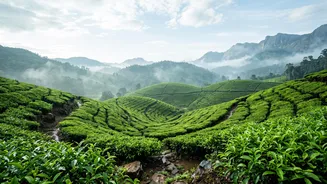
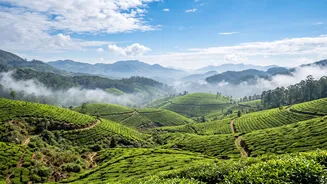
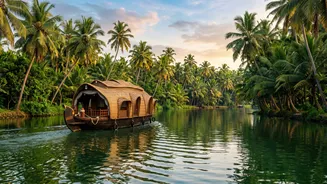
Further south, the hill stations of Tamil Nadu and Kerala are exceptionally beautiful during the September transition. Munnar's tea gardens are freshly washed and fragrant, creating a picture-perfect setting. Kodaikanal, the 'Princess of Hill Stations', is equally enchanting with its full lake and cascading waterfalls. The weather is generally pleasant, though humidity can be a factor and rain showers are common. It's a great time for short treks and exploring the outdoors, as long as you're prepared for wet conditions. The famous Onam festival often falls in September, adding a vibrant cultural dimension to a trip to Kerala.
Packing for Unpredictable Weather
Packing for a September hill station trip is all about layering and staying dry. Mountain weather can change quickly. Your essentials should include lightweight, quick-drying clothes, as cotton can stay damp and become uncomfortable. A reliable waterproof and windproof jacket is non-negotiable. Pack a fleece jacket or a light sweater for insulation during chilly mornings and evenings. Sturdy, waterproof footwear with a good grip is crucial for navigating wet and sometimes slippery paths. Also, carry waterproof bags or pouches to protect your electronics and important documents from sudden downpours.
Safety First: Travel Smart
While September is a rewarding time to travel, safety should be your top priority. The risk of landslides and road blockages, though reduced from peak monsoon, still exists, particularly in the Himalayan regions. Before starting your journey, and each day during your trip, check the local weather forecasts and road conditions. It's wise to build a buffer day into your itinerary to account for potential delays. Avoid driving at night or during heavy rain. Finally, carry a basic first-aid kit with medicines for common ailments, and always drink bottled or filtered water to avoid waterborne illnesses, which can be more prevalent after the rains.