




Understanding Harmless Frost
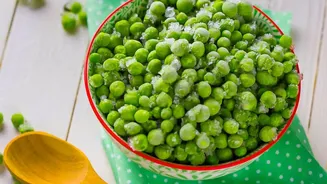
Those white, flaky ice crystals you see on frozen food or on the inside of the packaging are simply frost. This phenomenon, often leading to what is called 'freezer burn', occurs when moisture from the food escapes and refreezes on the surface. It is a process
called sublimation, where ice turns directly into vapour, then back into larger ice crystals. This happens when food is not sealed tightly, is exposed to air in the freezer, or when the freezer temperature fluctuates. While it might look unappetizing, freezer burn is a quality issue, not a safety one. The food is still safe to eat, although the affected areas might be dry, tough, and less flavourful due to the loss of moisture.
Identifying the Real Threat: Mould
Mould, on the other hand, is a microscopic fungus that signals spoilage. Unlike the crystalline structure of frost, mould appears as fuzzy, velvety, or dusty patches. It can be a variety of colours, including green, white, black, blue, or grey. Mould grows from spores, which are present everywhere in our environment. When these spores land on food with enough moisture, they begin to grow, developing root threads that can penetrate deep into the food, often unseen. While freezing temperatures make mould spores dormant, they do not kill them. If food was contaminated before freezing or if it thaws, these spores can become active and grow. Some moulds can produce harmful substances called mycotoxins, which can make you sick.
Frost vs. Mould: A Visual Guide
Confidently telling the difference comes down to observing a few key characteristics. Frost looks like ice crystals, is typically white or greyish, and is found on the surface of the food. It might make the food look discoloured and leathery, but it is fundamentally frozen water. Mould has a distinctly different texture; it’s fuzzy or sometimes slimy, not crystalline. It appears in distinct patches or spots and can have a characteristic musty or 'off' smell. While frost is generally spread evenly across exposed surfaces, mould grows in colonies that start small and spread outwards. If you see something fuzzy and coloured, you are almost certainly looking at mould, not frost.
When Is It Safe and When Should You Toss It?
This is the most critical question. If you’ve identified freezer burn, the food is safe to consume. For better taste and texture, you can simply trim away the dry, discoloured parts before or after cooking. When it comes to mould, the rules are much stricter. The general advice from food safety experts is: when in doubt, throw it out. This is especially true for soft, porous foods like bread, cooked leftovers, jams, and soft fruits, as mould's invisible roots can have spread throughout the entire item. For certain hard foods like hard cheese, salami, or firm vegetables like carrots and cabbage, the mould is less likely to penetrate deeply. In these specific cases, you can safely cut away the mould, making sure to leave a margin of at least one inch around and below the spot.
Pro Tips for Perfect Storage
Prevention is always better than cure. To avoid freezer burn, the key is to minimise the food’s exposure to air. Use high-quality freezer bags or airtight containers. Squeeze as much air as possible out of bags before sealing them. Double-wrapping items like meat in plastic wrap before bagging can provide extra protection. Also, try to maintain a consistent freezer temperature of -18°C (0°F) or lower and label your items with a date so you can use the oldest ones first. Preventing mould starts before freezing. Ensure food is fresh when you freeze it, and keep your refrigerator and storage areas clean. Store items correctly in the fridge to avoid spoilage in the first place, and cool cooked foods quickly before storing them. These simple habits will protect your food’s quality and, more importantly, your health.