


The Green-in-the-Bin Problem
Fresh herbs are one of the most common perishable items to end up as kitchen waste. Globally, it's estimated that roughly a third of all food produced is never eaten, contributing significantly to environmental strain. While it may seem like a small thing,
that forgotten bunch of pudina is part of a much larger issue. The journey from farm to your fridge requires water, energy, and transport. When it goes unused, those resources are wasted, too. By shifting from buying to growing, you take a small but meaningful step toward a more sustainable kitchen, ensuring you only pick what you need, when you need it.
Getting Started: Mint Is Forgiving
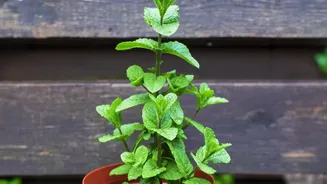
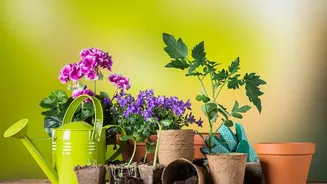
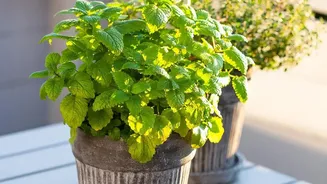
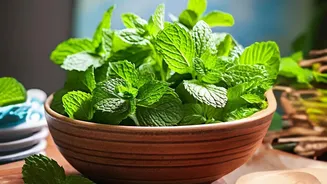
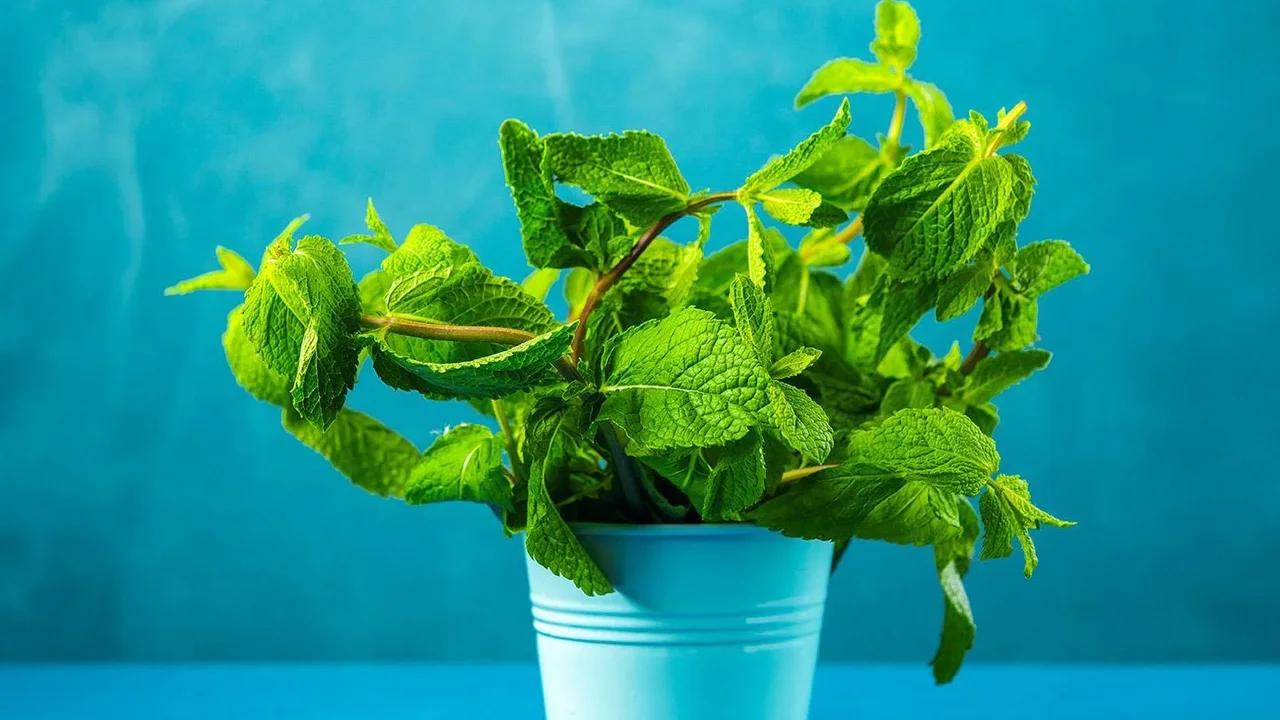
You don’t need a sprawling garden to grow mint; a single pot on a balcony or windowsill is perfect. Mint is a famously resilient and fast-growing herb, making it ideal for beginners. All you need is a container at least 12 inches wide with good drainage, some quality potting mix, and a starter plant or cutting. While you can grow it from seed, starting with a cutting is much easier and faster. Simply take a cutting from an existing plant, place it in water until roots appear, and then plant it in soil. Mint thrives in a spot that gets full sun to partial shade and prefers soil that is kept consistently moist but not waterlogged.
The Art of the Harvest
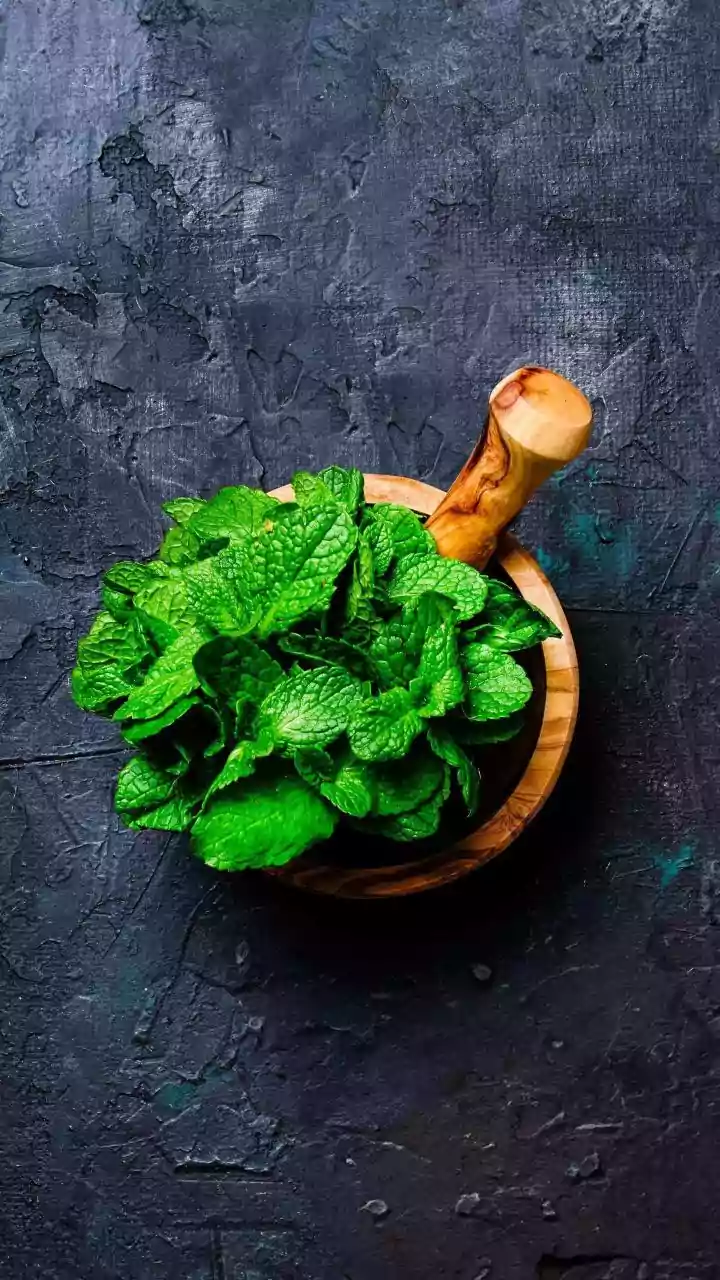
Proper harvesting is the secret to a bushy, productive mint plant. The biggest mistake is plucking individual leaves, which can weaken the plant over time. Instead, use scissors to snip off the stems just above a set of leaves. This encourages the plant to branch out from that point, resulting in fuller, denser growth. You can harvest regularly throughout the growing season, taking what you need for a cup of tea or a garnish. For the most intense flavour, harvest in the morning after the dew has dried but before the day's heat sets in, as this is when the leaves have the highest concentration of essential oils. A larger harvest can be done two or three times a season by cutting the plant back by about a third.
Beyond the Chutney: Endless Minty Inspiration
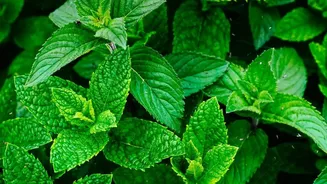
With a fresh supply at your fingertips, you can explore the versatility of mint far beyond traditional pudina chutney or the occasional mojito. Add a handful of chopped leaves to salads for a refreshing lift, especially in combination with cucumber, watermelon, or feta cheese. Brew fresh mint tea by simply steeping a few sprigs in hot water for a soothing digestive aid. Infuse water with mint leaves and lemon slices for a hydrating drink. You can also create a zesty mint pesto, a cooling mint yoghurt sauce for kebabs, or toss leaves into fruit salads. The possibilities are truly endless once you have a constant, fresh supply.
Preserving Your Bounty for Later
Even with a single plant, you might find yourself with more mint than you can use. Thankfully, it’s easy to preserve. One of the simplest methods is drying. Tie stems into small bunches and hang them in a warm, dry place away from direct sunlight until the leaves are crisp. You can also dry them on a low setting in an oven. Once dried, crumble the leaves and store them in an airtight container for use in teas and seasonings. Freezing is another excellent option. Chop the leaves, place them in an ice cube tray, top with water, and freeze. These minty ice cubes can be dropped directly into drinks or thawed for use in cooking.