







The Race Against Rot
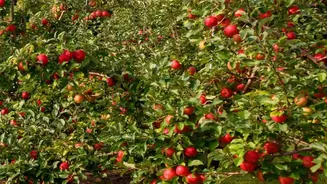
For apple growers in Kashmir and Himachal Pradesh, which together produce the vast majority of India's apples, the harvest season has always been a period of high anxiety. Once the fruit is picked, the clock starts ticking. Without proper storage, farmers
are forced into a frantic rush to sell their produce. This annual glut floods the market, causing prices to crash. It’s a classic supply and demand problem where the farmer almost always loses. Middlemen often exploit this desperation, buying premium apples at rock-bottom prices. Worse still, a significant portion of the harvest is lost to spoilage before it can even reach consumers. Post-harvest losses in India's fruit and vegetable sector can be as high as 30%, a staggering figure attributed largely to inadequate infrastructure and poor post-harvest management. For farmers, this means lost income and wasted effort after a year of hard work battling weather and pests.
A Game-Changer Called CA Storage
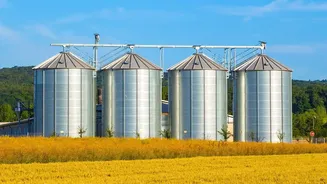
The solution to this long-standing problem lies in technology: Controlled Atmosphere (CA) storage. Far more advanced than simple refrigeration, CA facilities are high-tech warehouses where temperature, humidity, and the levels of oxygen, carbon dioxide, and nitrogen are precisely managed. This controlled environment essentially puts the apples to sleep, slowing their ripening process to a crawl. As a result, apples that would spoil in weeks can be preserved in pristine condition for up to ten months. While the concept isn't new, a concerted push from both government schemes and private investment is leading to a significant expansion of CA storage capacity in key apple-growing belts like Kashmir's Lassipora industrial area. This expansion is proving to be a lifeline for growers, transforming the very economics of apple farming.
From Price Takers to Price Makers
The impact on farmers' livelihoods has been immediate and profound. With access to CA storage, growers are no longer forced into distress sales during the harvest season. They can now store their produce and strategically release it into the market months later, during the off-season when supply is low and demand is high. This newfound ability to wait for favorable market conditions has flipped the power dynamic. Farmers who once had to accept whatever price was offered are now in a position to negotiate, effectively becoming price makers rather than price takers. The results speak for themselves. One grower from Shopian noted that a box of apples that would fetch between ₹550-₹650 during the harvest rush can command prices of ₹1,200-₹1,500 when sold from a cold store later in the year. This represents a near doubling of income, covering input costs and delivering real, sustainable profit.
Wider Ripples in the Valley's Economy
The benefits of a robust cold-chain network extend far beyond the individual farmer. By stabilizing the apple supply, CA storage strengthens the entire regional economy, which is heavily dependent on horticulture. These facilities create much-needed rural employment, not just in operating the stores but also in related logistics, sorting, and packaging. For consumers across India, it means a year-round supply of high-quality apples. For the nation, it’s a significant step towards reducing food waste, a critical issue for food security. While challenges remain, including the need to expand this infrastructure to more remote areas to benefit small and marginal farmers, the success of the current model is undeniable. The growth in CA storage is helping to insulate a climate-sensitive industry from market volatility and ensuring the hard work of farmers translates into tangible prosperity.