



The Science in the Sour
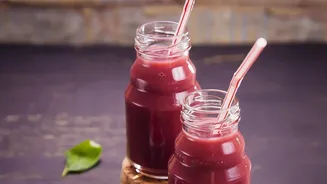
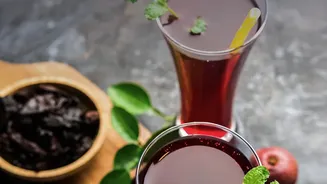
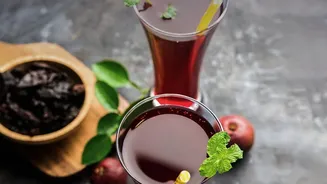
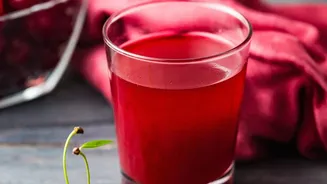
What makes this ruby-red drink so special? The magic lies in its high concentration of powerful plant compounds called anthocyanins. These are the natural pigments that give tart cherries, particularly the Montmorency variety, their deep colour. More
importantly, anthocyanins are potent antioxidants and have strong anti-inflammatory properties. When you push your body during intense exercise, you create microscopic damage in your muscle fibres, which triggers inflammation and oxidative stress, leading to Delayed Onset Muscle Soreness (DOMS). The anthocyanins in tart cherry juice work at a cellular level to help manage this response, reducing the inflammatory cascade and neutralising damaging free radicals. Think of it as a natural, food-based way to calm the post-workout storm inside your muscles.
Bounce Back Faster From Workouts
The primary claim to fame for tart cherry juice in the athletic world is its proven impact on muscle recovery. Numerous scientific studies have shown that it can significantly reduce muscle pain and help athletes regain their strength more quickly after strenuous activity. For example, studies on marathon runners found that those who drank the juice experienced less inflammation and recovered strength faster than those who didn't. Similarly, research on resistance-trained individuals showed a smaller loss of strength in the days following an intense workout. It’s not just about feeling less sore; it’s about your muscles being ready to perform again sooner. This has made it a popular tool for elite cyclists, runners, and team-sport athletes who need to recover quickly between training sessions or during competitions.
A Surprising Aid for Better Sleep
Beyond the gym, tart cherry juice offers another compelling benefit: improved sleep. This effect is attributed to two key compounds. First, tart cherries are one of the few natural food sources of melatonin, the hormone that governs our sleep-wake cycle. Second, they contain tryptophan, an amino acid that the body uses to create its own melatonin. Research, while often based on smaller studies, is promising. In one notable study, older adults with insomnia who drank tart cherry juice daily for two weeks slept, on average, 84 minutes longer per night. Other studies have also reported improvements in both sleep duration and overall sleep quality. By boosting melatonin levels and helping your body produce its own, a glass of tart cherry juice in the evening could be a gentle, natural way to encourage a more restful night.
How to Use It for Best Results
To reap the benefits, timing and dosage are key. The research doesn't support drinking it just once after a workout. Instead, the most effective strategy is a loading protocol, sometimes called 'precovery'. For muscle recovery, studies typically use a dose of about 240ml of juice (or 30ml of concentrate diluted in water) taken twice a day. This regimen usually starts four to five days before a major event like a marathon or a competition, and continues for two to three days afterward. For sleep support, a similar dose is often recommended, with one of the servings consumed an hour or two before bedtime. It's also wise to be mindful of its use; while great for race weeks or heavy training blocks, some experts suggest it might not be necessary year-round, as a certain level of inflammation is needed to signal muscle adaptation and growth.
Choosing the Right Product
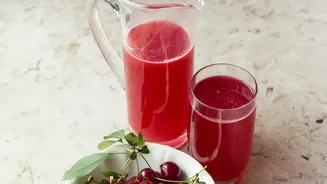
When you head to the store, not all cherry juices are created equal. Look for products labelled '100% tart cherry juice' or 'Montmorency tart cherry juice'. Avoid juice blends that are mixed with other fruits like apple or grape, and check the label to ensure there are no added sugars, which can counteract the anti-inflammatory benefits. Tart cherry juice concentrate is another excellent, often more cost-effective option. A typical serving of concentrate is about 30ml, which you can mix with water. This concentrated form often contains the same potent dose of anthocyanins without the high volume of liquid or calories. Capsules with tart cherry powder are also available, but the research on their effectiveness is more mixed compared to juice or concentrate.