

The Ultimate Time-Saver
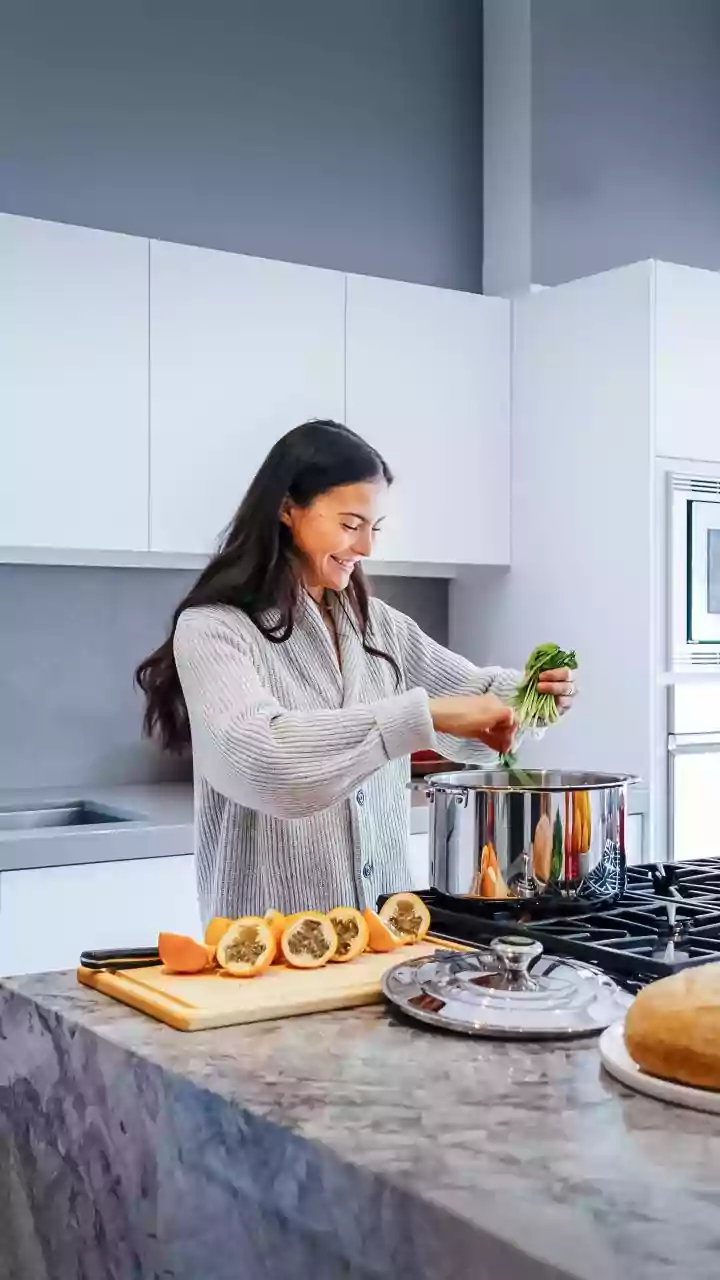
The most significant advantage of one-pot cooking is its incredible efficiency. By combining all your ingredients—grains, lentils, vegetables, and spices—into a single vessel like a pressure cooker or a deep kadai, you streamline the entire process. There
is no need to juggle multiple pans, which simplifies preparation and drastically cuts down on post-meal cleanup. For a young professional, this means less time spent scrubbing dishes and more time unwinding after a long day. This method is particularly useful in smaller kitchens with limited counter space and equipment, making it a perfect fit for modern urban living.
Healthier Meals, Happier Wallet
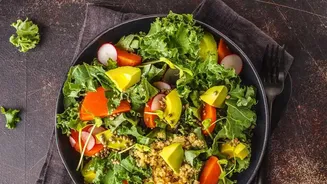
Relying on takeaways and restaurant meals can be expensive and often means consuming excess oil, salt, and sugar. One-pot cooking puts you back in control of your ingredients. You decide the amount of fat, the type of vegetables, and the level of spice, ensuring a wholesome meal tailored to your health goals. Cooking everything together also helps retain more nutrients that might otherwise be lost when boiling or draining ingredients separately. A well-planned one-pot meal can easily incorporate a balance of protein, carbohydrates, and fibre, making it a complete and satisfying dish. This approach not only supports healthier eating habits but also significantly reduces food expenses.
Mastering the Method: Key Techniques
Success in one-pot cooking relies on a few simple techniques. The first is layering. Start by sautéing aromatics like onions, garlic, and ginger to build a flavourful base. Harder vegetables and proteins that require longer cooking times go in next, followed by grains like rice or quinoa, and finally the cooking liquid (water or broth). Quick-cooking vegetables like spinach or peas can be stirred in at the very end. This ensures everything is perfectly cooked without turning to mush. Mastering the liquid-to-grain ratio is also crucial to avoid a dish that's too dry or too soupy. As all the ingredients cook together, the flavours meld and intensify, creating a rich and delicious result with minimal effort.
Essential Tools for Easy Cooking
You don't need a kitchen full of expensive gadgets to master one-pot cooking. A few versatile pieces are all it takes. A traditional Indian pressure cooker is a game-changer, perfect for cooking dals, khichdi, and pulao in a fraction of the time. A heavy-bottomed kadai or a Dutch oven is another excellent choice, providing even heat distribution for slow-simmered curries and sabzis. For dishes like one-pot pasta or stir-fries, a large, deep skillet or wok is ideal. These basic tools are durable, multi-functional, and sufficient for creating a wide variety of delicious one-pot vegetarian meals.
Go-To Vegetarian One-Pot Ideas
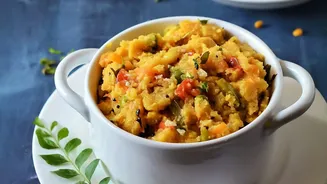
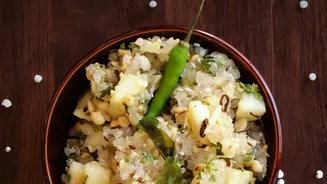
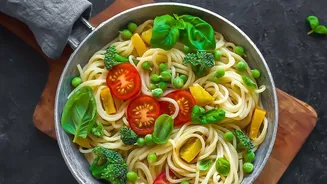
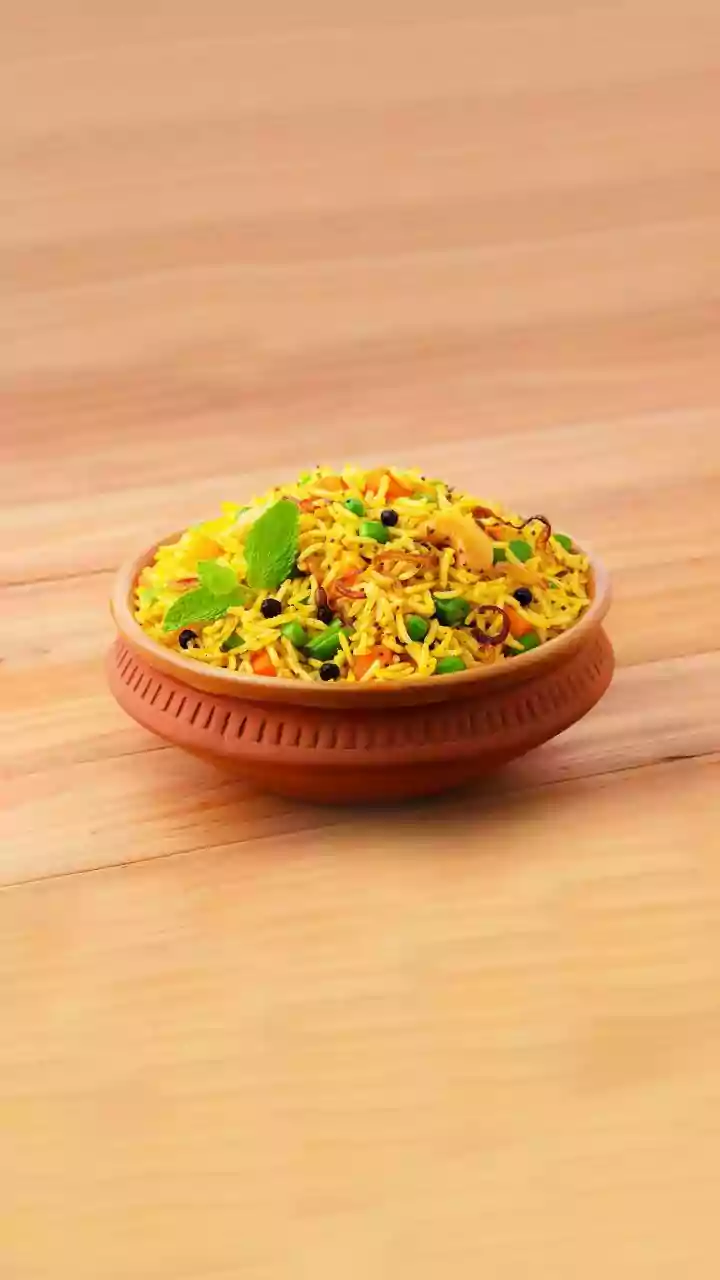
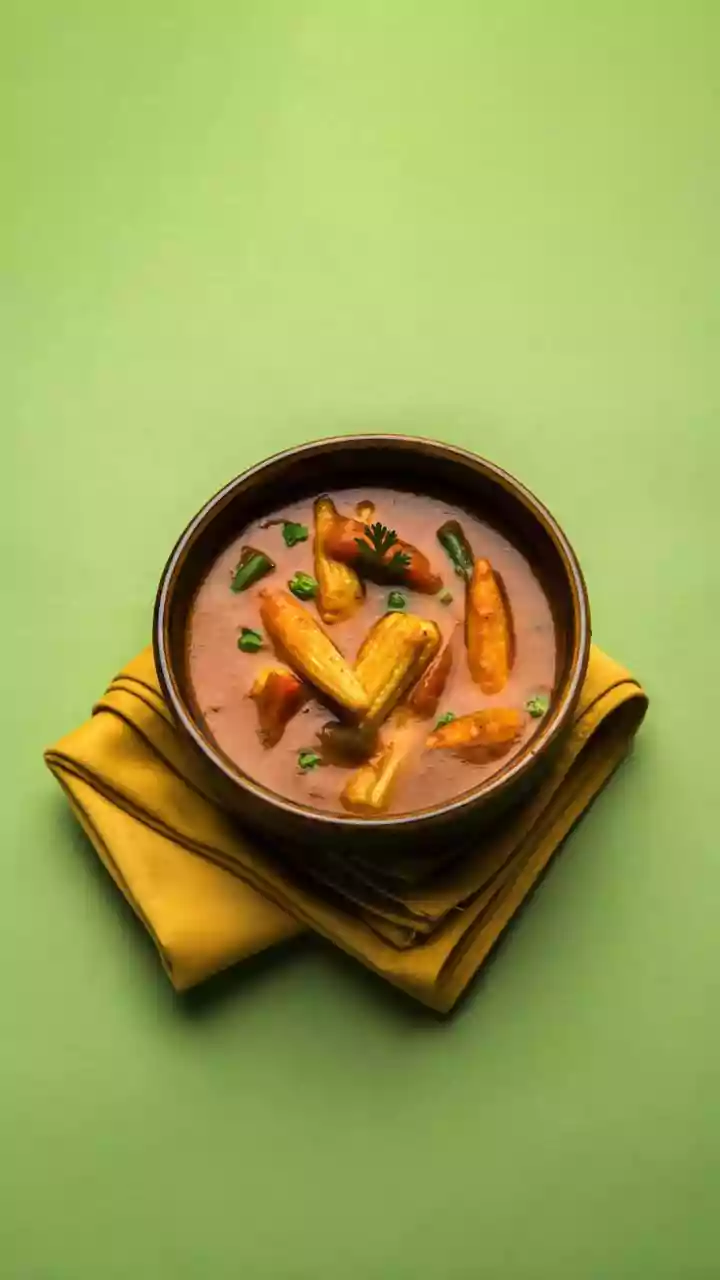
The one-pot method is perfectly suited for Indian vegetarian cuisine. Think of classic comfort foods like Khichdi, a wholesome mix of rice and lentils that can be enriched with vegetables and spices. Vegetable Pulao or Biryani are other fantastic examples, where fragrant basmati rice is cooked with a medley of vegetables and aromatic whole spices in a single vessel. For something even quicker, a simple dal tadka cooked with vegetables serves as a hearty soup-like meal. You can also make contemporary dishes like one-pot pasta, where the pasta cooks directly in the sauce, absorbing all the flavour. Even a simple vegetable curry with paneer or chickpeas can be adapted to a one-pot recipe, making weeknight dinners both easy and exciting.