


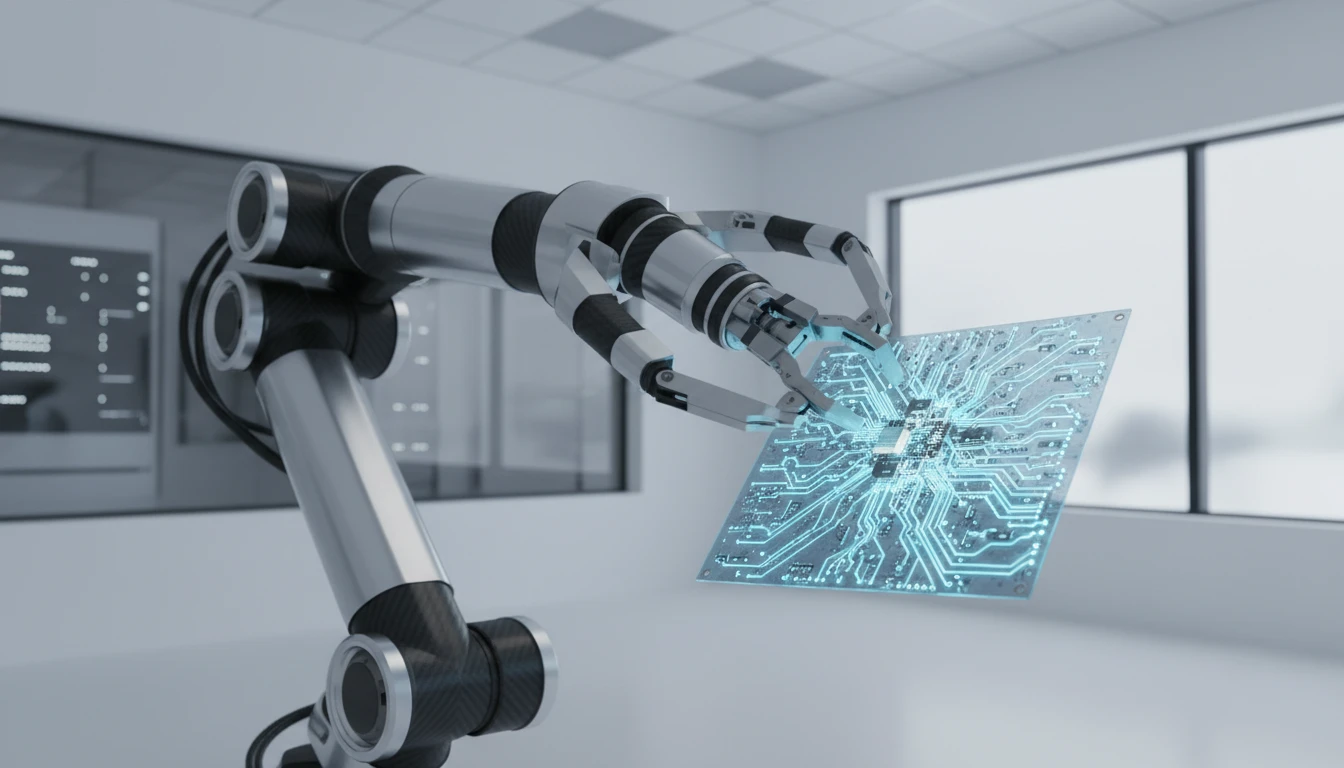



What is Physical AI?
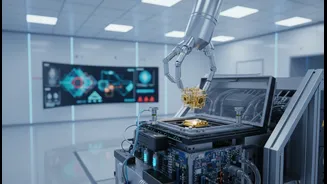
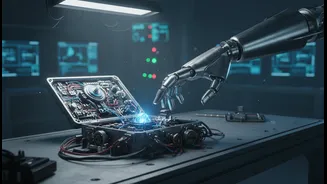
For years, AI has been a digital entity, living inside computers and processing data. Physical AI is different. It’s a branch of artificial intelligence that allows machines to perceive, understand, and interact with the physical world. Think of it as the difference
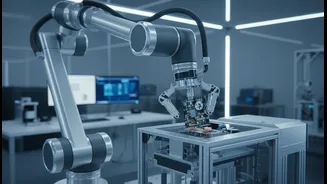
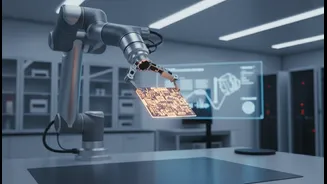
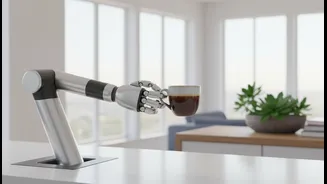
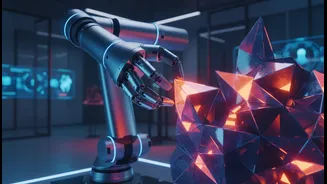
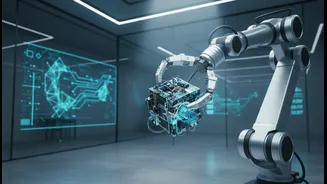
between an AI that can write an essay and an AI that can guide a robotic arm to pick up an object it has never seen before. By using sensors like cameras, lidar, and microphones, Physical AI systems gather real-world data, process it, and then take physical action. This moves robotics beyond rigid, pre-programmed movements—like an arm on an assembly line repeating the same weld—to true autonomy where machines can adapt to dynamic environments.
A Force Multiplier for Operations
For robotics teams and businesses, this technology is a game-changer. Physical AI empowers robots to handle variability and unpredictability, which is common in warehouses, factories, and hospitals. An autonomous mobile robot in a busy warehouse can navigate around an unexpected obstacle, and a surgical robot can assist with greater precision by making micro-adjustments in real time. This enhanced capability makes deploying robots faster and more cost-effective. It also allows non-experts to work with complex robotic systems, as the AI handles much of the intricate decision-making, turning a complex tool into a more intuitive partner in industries from manufacturing and logistics to healthcare and agriculture.
The Reality of Risky Tasks
Despite these advancements, Physical AI is not infallible. The real world is infinitely more complex than any simulation. Tasks become 'risky' when they involve high stakes, uncertainty, or direct interaction with people. For instance, a robot operating heavy machinery, handling hazardous materials, or working alongside human employees presents significant potential dangers. An AI might struggle with an unforeseen ethical dilemma, a situation it wasn't trained for, or a sensor failure caused by environmental conditions like dust or poor lighting. In these scenarios, complete autonomy can lead to errors, accidents, or costly operational failures, highlighting the technology's current limitations.
The Irreplaceable Human Element
This is where human oversight becomes non-negotiable. The 'human-in-the-loop' approach means a person is actively involved in supervising, guiding, or correcting the AI system. This isn’t about micromanaging the machine. Instead, it’s about designing a system where humans provide a critical layer of safety and judgment. A human operator might need to approve a robot’s proposed action in a high-risk zone, take manual control during an emergency, or help the AI learn from an error. This model ensures accountability and builds trust, especially in high-stakes environments where an AI's decision could have significant consequences. Regulatory frameworks like the EU AI Act are already mandating this level of oversight for high-risk systems.
Building a Collaborative Future
The most effective implementation of Physical AI isn't a factory devoid of people, but one where humans and intelligent machines work in partnership. This collaborative model leverages the strengths of both: the robot’s precision, endurance, and ability to handle dangerous tasks, and the human’s contextual understanding, creativity, and ethical judgment. By designing workflows where humans act as supervisors, decision-makers for edge cases, and quality controllers, companies can mitigate risks while maximising the efficiency gains from automation. This approach shifts the human role from performing repetitive physical labour to one of managing and collaborating with a team of intelligent robotic assistants.