




Understand the Current Weather Situation
The transition from the southwest to the northeast monsoon is currently causing significant weather activity across Southern India. As of mid-October, the India Meteorological Department (IMD) has issued alerts for heavy to very heavy rainfall across several
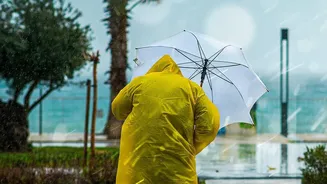
states. Kerala, Tamil Nadu, Puducherry, and South Interior Karnataka are particularly affected. In Kerala, for instance, an orange alert has been declared in districts like Pathanamthitta, Kottayam, Ernakulam, and Idukki for October 15, indicating expected rainfall between 12 cm and 20 cm. This is not a typical, gentle rain; it's a period of intense downpours, thunderstorms, and gusty winds that can disrupt daily life and travel plans. The cause is a complex interaction of weather systems, including the withdrawal of the southwest monsoon colliding with the onset of the northeast monsoon.
Monitor Official Advisories Diligently
Before and during your trip, make checking the weather forecast a daily habit. Rely on official sources like the India Meteorological Department (IMD) for the most accurate and up-to-date information. Their website and social media channels provide detailed, district-wise warnings, including colour-coded alerts (yellow, orange, red) that help you understand the severity of the expected weather. An orange alert, for example, signals authorities to be prepared for significant impact, and travellers should take this as a cue to exercise extreme caution. Local news channels and apps are also valuable for real-time updates on road closures, flooding, and other disruptions. Do not underestimate these warnings; they are issued to ensure public safety.
Road Travel Requires Extreme Caution
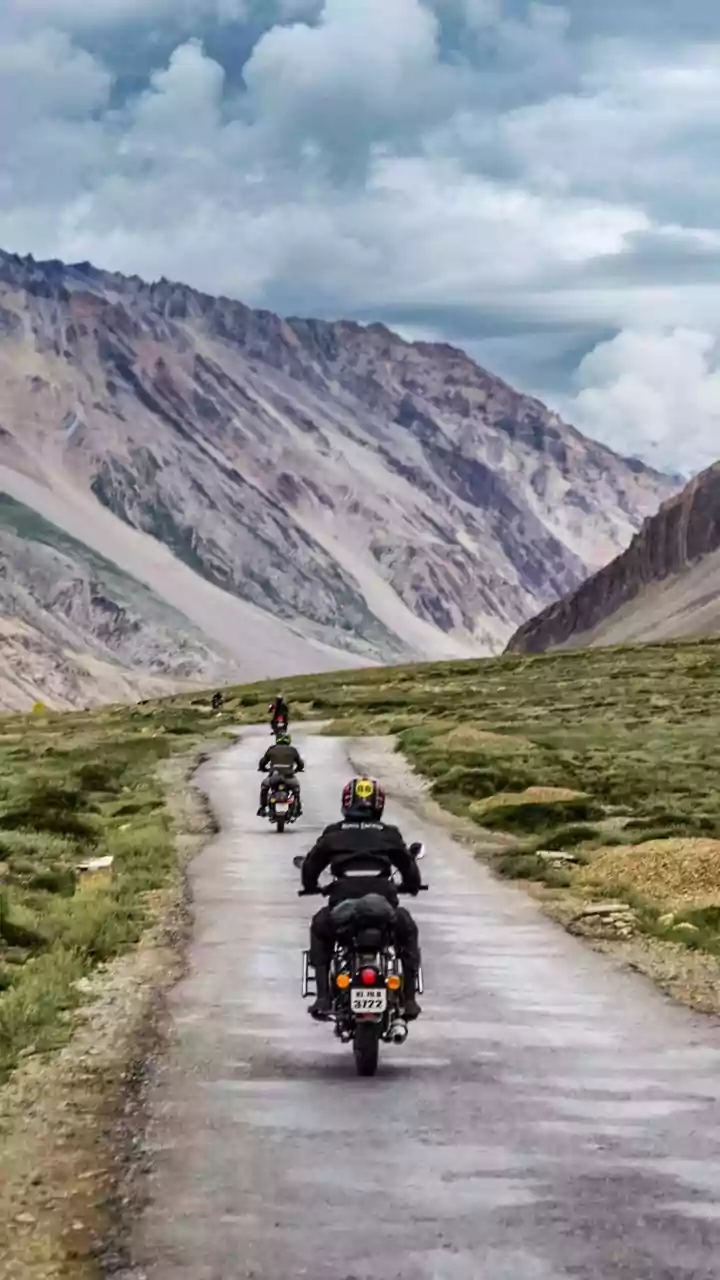
Driving during the monsoon, especially on highways and hilly ghat roads, is fraught with risks. Heavy rain reduces visibility, makes roads slippery, and increases the chance of landslides and waterlogging. It is strongly advised to avoid driving at night during downpours. Reduce your speed significantly—by at least 30-40% compared to dry conditions—and maintain a much larger following distance from the vehicle ahead. Ensure your vehicle's wipers, tyres, and brakes are in excellent condition before you start. On narrow mountain roads, always yield to uphill traffic and honk on blind curves. Never attempt to cross a flooded road or causeway; the depth and current can be deceptive and dangerous. If visibility becomes dangerously low, it is safest to pull over and wait for conditions to improve.
Build Flexibility Into Your Itinerary
A rigid itinerary is your enemy during the monsoon. Heavy rains can lead to flight delays, train cancellations, and impassable roads, making it impossible to stick to a tight schedule. It is wise to build buffer days into your travel plan. Be prepared for popular tourist spots, especially those involving nature like waterfalls, beaches, or trekking routes, to be closed with little notice due to safety concerns. Swimming in the ocean is particularly dangerous during this season due to strong currents. Have backup plans for indoor activities or exploring urban areas that are less affected by the weather. Contact your hotels and tour operators to understand their cancellation and rescheduling policies in case your plans are severely disrupted.
Prioritise Health and Hygiene
The monsoon season brings a heightened risk of water-borne and mosquito-borne diseases like cholera, typhoid, dengue, and malaria. Be vigilant about your health. Drink only bottled, boiled, or purified water, and be cautious with ice in drinks. Avoid eating street food, especially pre-cut fruits and raw salads, as they can be easily contaminated. Use a strong mosquito repellent, especially during early morning and evening hours, and wear long-sleeved clothing to minimise bites. The high humidity can also lead to fungal skin infections, so it's important to keep yourself and your clothes as dry as possible. Pack a basic medical kit with antiseptics, bandages, rehydration salts, and any personal medications you require.