





Introducing Waterfall Rappelling
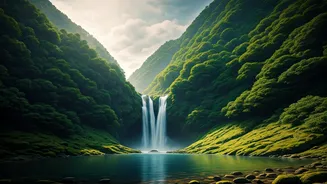
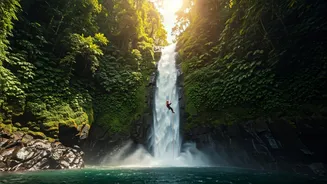
Imagine this: you’re standing at the edge of a cliff, the roar of a waterfall filling your ears. Below you, a cascade of white water thunders down a rock face. You’re harnessed, clipped to a rope, and your guide gives you a reassuring nod. Your mission?
To lean back and walk down the waterfall itself. This is waterfall rappelling, or canyoning, an adrenaline-pumping activity that combines the techniques of mountaineering with the raw power of nature. Unlike regular rappelling down a dry rock, here you are descending through the heart of a live, gushing waterfall, feeling its force and spray with every step.
Why the Monsoon is Peak Season
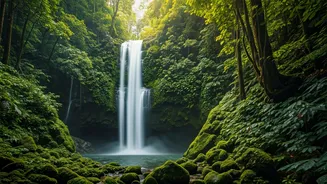
This isn't an activity you can do just any time. Waterfall rappelling is a child of the monsoon. During the dry months, these rock faces are just that—rocks. But from June to September, the Indian monsoon transforms the landscape, breathing life into dormant streams and turning trickles into torrents. The waterfalls are at their most magnificent and powerful, creating the perfect, dynamic playground for this adventure. The lush green surroundings, misty weather, and overflowing streams all add to an immersive experience that simply isn't possible in the summer heat. The rain isn't a spoiler; it’s the main event.
A Rush Like No Other
The thrill of waterfall rappelling is multi-sensory. It’s the visual spectacle of the verdant valleys shrouded in mist. It’s the deafening sound of tons of water crashing into the pools below. Most of all, it’s the physical sensation of the cool water hitting you as you control your descent, planting your feet firmly against the slippery rock face. It’s a test of nerve and a lesson in trust—trust in your gear, your guide, and yourself. The moment you push off the ledge, you are completely in the moment. All other worries fade away, replaced by the intense focus required to navigate your path down, making it a powerful form of active meditation.
Safety is Non-Negotiable
While exhilarating, this is an extreme sport that demands respect and caution. Never attempt it on your own. Always go with certified, experienced operators who prioritize safety. A professional setup will include high-quality gear: climbing-grade ropes, harnesses, descenders, helmets, and gloves. The guides conduct safety briefings, teach you the correct techniques, and have backup systems in place. They are also experts in reading the weather and water levels, and will cancel a session if conditions become unsafe. Don't be tempted by cheap offers from unverified groups; your safety is worth the investment in a reputable company.
Where to Take the Plunge
The Western Ghats in Maharashtra are the epicentre of waterfall rappelling in India, thanks to their rugged terrain and proximity to Mumbai and Pune. Places like Lonavala, Karjat, Kolad, and Bhivpuri are dotted with waterfalls that become adventure hubs during the monsoon. Vihigaon waterfall near Nashik is one of the most popular spots, famous for its 120-foot drop. In Goa, the treks to Dudhsagar Falls sometimes incorporate rappelling. As the sport gains popularity, new locations are emerging in the hills of Karnataka and parts of the Himalayas, offering different but equally stunning experiences for thrill-seekers.
Preparing for Your First Descent
You don't need to be a professional climber, but a basic level of fitness and a head for heights are helpful. Wear quick-drying clothes (like synthetic athletic wear) and sturdy shoes with good grip that you don’t mind getting soaked. Avoid cotton, as it gets heavy and cold when wet. Most operators provide all the technical gear, but you should bring a change of clothes, a towel, and a waterproof bag for your belongings. Eat a good meal before you go, stay hydrated, and most importantly, listen carefully to your instructors. Trust their expertise, and you’ll be set for an adventure you’ll never forget.