



The Undisputed Champion: Dal
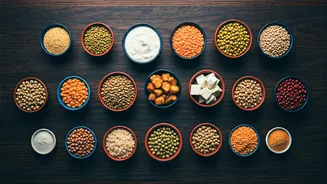
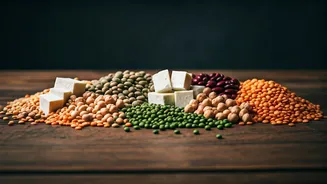
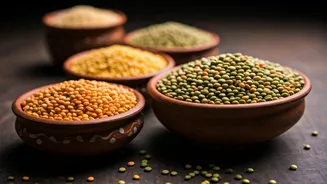
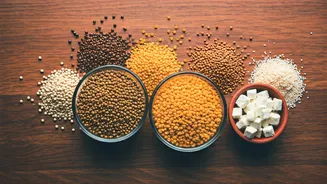
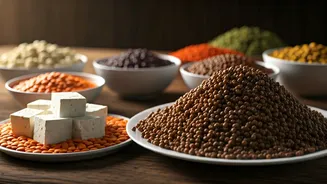
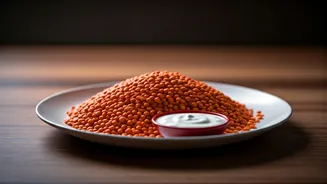
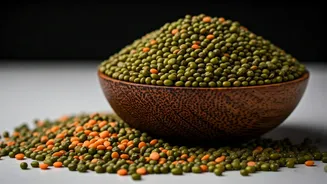
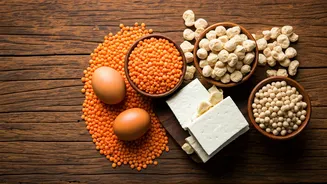
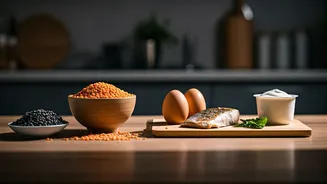
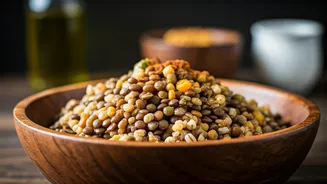
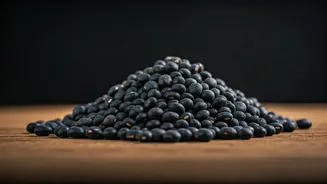
Lentils are the backbone of affordable protein in India. A single 100-gram serving of dry dal, like moong or masoor, can pack over 24 grams of protein. Chana dal is another excellent choice, offering around 22 grams of protein for the same quantity. The
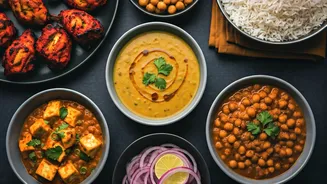
key to maximizing its power is combination. Pairing dal with rice or roti creates a complete protein, providing all the essential amino acids your body needs, similar to what you'd get from animal sources but at a fraction of the cost. A simple dal tadka, moong dal khichdi, or a hearty dal makhani are not just comfort foods; they are nutritional powerhouses that are incredibly easy on the wallet.
Soya Chunks: The Unsung Hero
Often overlooked, soya chunks are arguably the most cost-effective protein source available. Dry soya chunks contain a massive 52 grams of protein per 100 grams, more than most meats and paneer. Once rehydrated, they offer a meaty texture that soaks up the flavours of any curry or stir-fry beautifully. You can make a delicious soya chunk curry, add them to pulao for a protein boost, or scramble them into a bhurji. Their affordability and high protein content make them a must-have for anyone looking to build muscle or simply stay full and healthy without overspending.
Eggs: Versatile and Economical
Eggs are a complete protein source and one of the most budget-friendly non-vegetarian options. A single egg provides about 6 grams of high-quality protein. Their versatility is unmatched. You can have them boiled for a quick snack, scrambled for a fast breakfast (egg bhurji), or made into a simple curry for dinner. An egg curry, paired with a couple of rotis or a small bowl of rice, makes for a balanced, protein-rich meal that is both satisfying and affordable. They are easy to cook, readily available, and a simple way to ensure you're getting the protein you need throughout the day.
Legumes Beyond Lentils
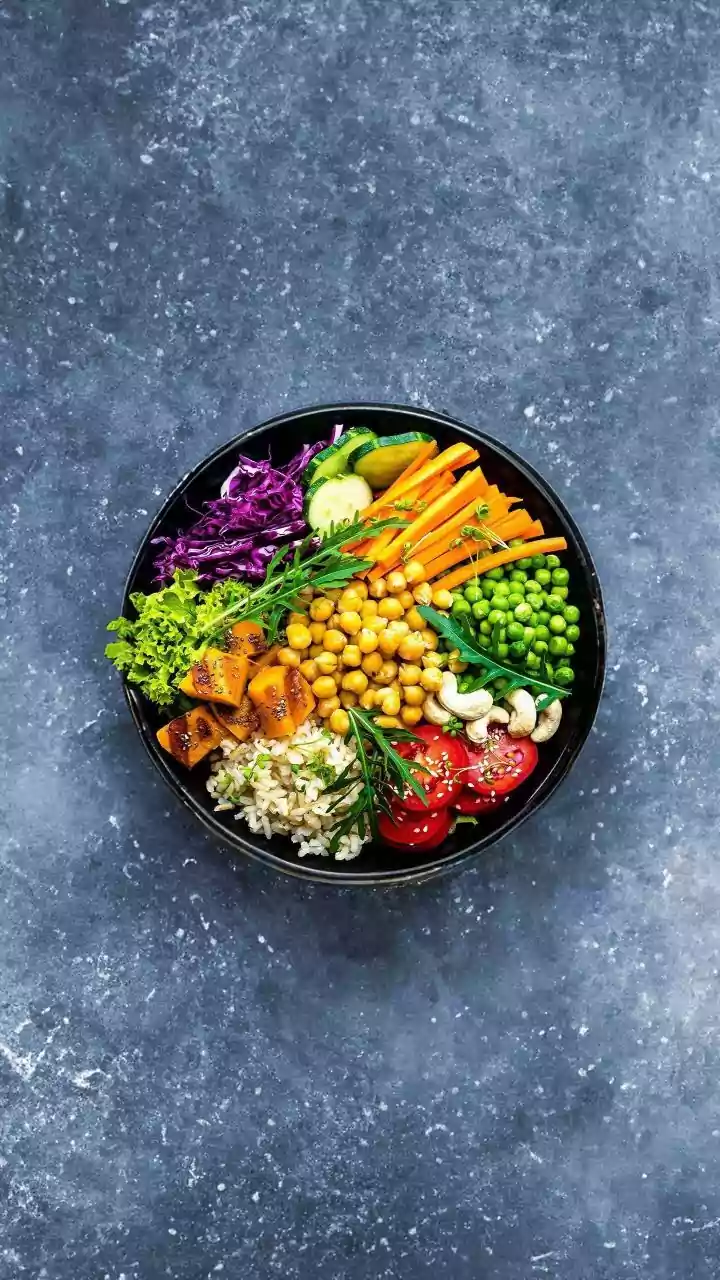
While dals are fantastic, don't forget other powerful legumes like chickpeas (chana) and kidney beans (rajma). Chickpeas provide roughly 19 grams of protein per 100 grams, while rajma offers about 23 grams. A classic bowl of rajma chawal or a spicy chana masala with roti is a perfect example of combining legumes and grains for complete protein. You can also make a refreshing sprouted moong salad, which is packed with easily digestible protein, vitamins, and enzymes. These meals are not just staples for their taste but also for their incredible nutritional value and affordability.
Dairy Power: Paneer and Curd on a Budget
Paneer is a beloved protein source, offering around 18-20 grams per 100g serving. While store-bought paneer can sometimes be pricey, making it at home by curdling milk is a significantly cheaper alternative. A simple paneer bhurji, palak paneer, or a few cubes added to a vegetable stir-fry can elevate your protein intake. Don't underestimate the power of homemade curd (dahi) either. It provides a decent amount of protein and is an excellent base for raita or can be consumed as a simple side. Hung curd can be used as a high-protein dip or spread, replacing fatty mayonnaise.
Smart Snacking with Peanuts and Chana
Your snacks can also be a great source of protein. Instead of reaching for packaged chips, consider roasted chana or a handful of peanuts. Peanuts are one of the most affordable nuts and are rich in protein. Roasted chana is another low-cost, high-protein snack that is perfect for munching on between meals. You can also make sattu, a flour made from roasted gram, into a nutritious drink or use it to make parathas. These simple snacks are not only healthier but also contribute to your daily protein goals without adding much to your grocery bill.