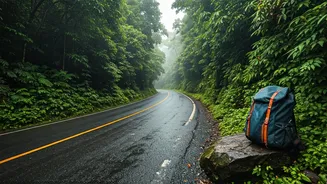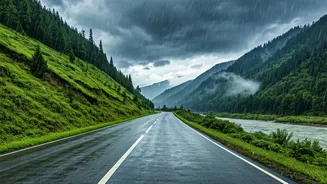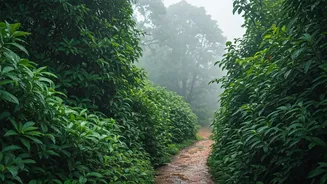




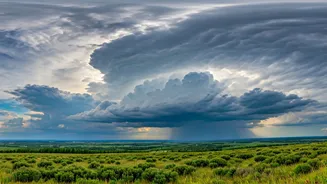




Embrace the Monsoon's Charm
While many travellers shy away from the rainy season, a monsoon trip has unique advantages. From June to September, Eastern India bursts into life. Waterfalls in Meghalaya and Sikkim are at their most powerful, tea gardens in Assam and West Bengal become
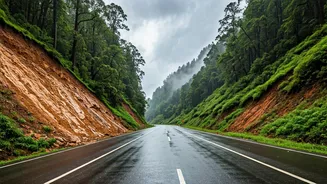
intensely green, and the air is fresh and cool. This season is often considered off-peak, which can mean more competitive prices for flights and hotels and less crowded tourist spots, offering a more peaceful experience. The dramatic, cloud-covered skies and vibrant landscapes provide a stunning backdrop for photography and a serene atmosphere for those looking to escape the city heat.
Choosing Your Rain-Smart Destination
Not all destinations are created equal during the monsoon. While low-lying areas in Assam have faced flood-related disruptions, many other spots thrive. The hill stations of Meghalaya, like Shillong and Cherrapunji, are spectacular, earning titles like "Scotland of the East" and offering views of thunderous waterfalls and misty valleys. In West Bengal, offbeat destinations like Lamahatta and Garpanchkot glow up in the rain, providing tranquil retreats amidst pine forests and historic ruins. While Darjeeling can be tricky, it offers adventurous travellers the chance to enjoy cosy cafes and walks in the rain, even if views of Kanchenjunga are rare. Coastal spots like Puri and Gopalpur in Odisha offer a different charm, with choppy seas and deserted beaches for those who enjoy the raw power of the monsoon. However, it's wise to avoid remote trekking routes which can become hazardous.
Pack for Puddles and Downpours
Smart packing is non-negotiable for a successful monsoon trip. Prioritise lightweight, synthetic, and quick-drying clothes over cotton and denim, which stay damp for days in high humidity. A reliable waterproof jacket or poncho is more practical than an umbrella, which can be useless in strong winds. For footwear, choose rubber sandals, floaters, or anti-skid trekking shoes with a good grip; leave leather and canvas shoes at home. Essential accessories include waterproof bags or dry sacks to protect electronics and documents, a power bank for potential power cuts, and a strong insect repellent, as mosquitoes are more prevalent this season. Packing a few plastic bags to separate wet or muddy clothes is a simple but effective trick.
Navigating Transport with Flexibility
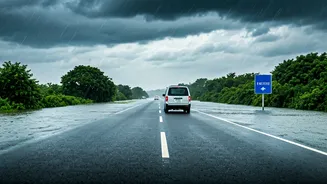
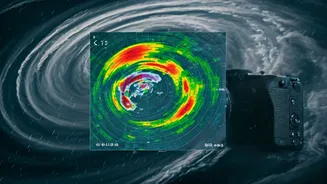
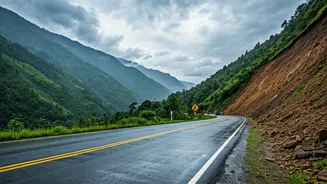
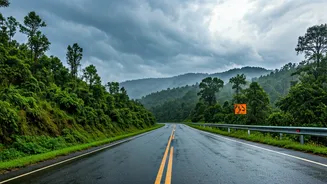
Monsoon travel requires a flexible mindset, as delays are common. Heavy rains can lead to waterlogged roads, and landslides can block routes in hilly areas, affecting both buses and cars. It is crucial to check weather forecasts and road conditions before you travel and build buffer time into your itinerary. Train travel is often considered a safer option than road travel during heavy rains, but even rail services can face delays or cancellations due to waterlogging or track damage. Booking flexible tickets where possible and staying informed through live train status apps is advisable. Avoid travelling at night, especially in the hills, when visibility is poor and risks are higher.
Prioritise Health and Safety
Staying healthy is paramount during the monsoon. The risk of water-borne diseases increases, so it's essential to drink only bottled or properly filtered water. When it comes to food, stick to freshly cooked hot meals and be cautious with street food, especially raw items like salads or pre-cut fruit. Always carry a basic first-aid kit with antiseptic wipes, bandages, and any personal medications. Given the high humidity, staying hydrated is crucial, but also be mindful of the increased mosquito population by using repellents and wearing long sleeves and pants, especially during the evenings.